CJP's Abhijeet Dipke meets Mamata Banerjee ahead of Oppn rally; TMC chief says 'so proud of him'
Source Entity
Latest News: Todays Latest News Headlines from India & World | Hindustan Times
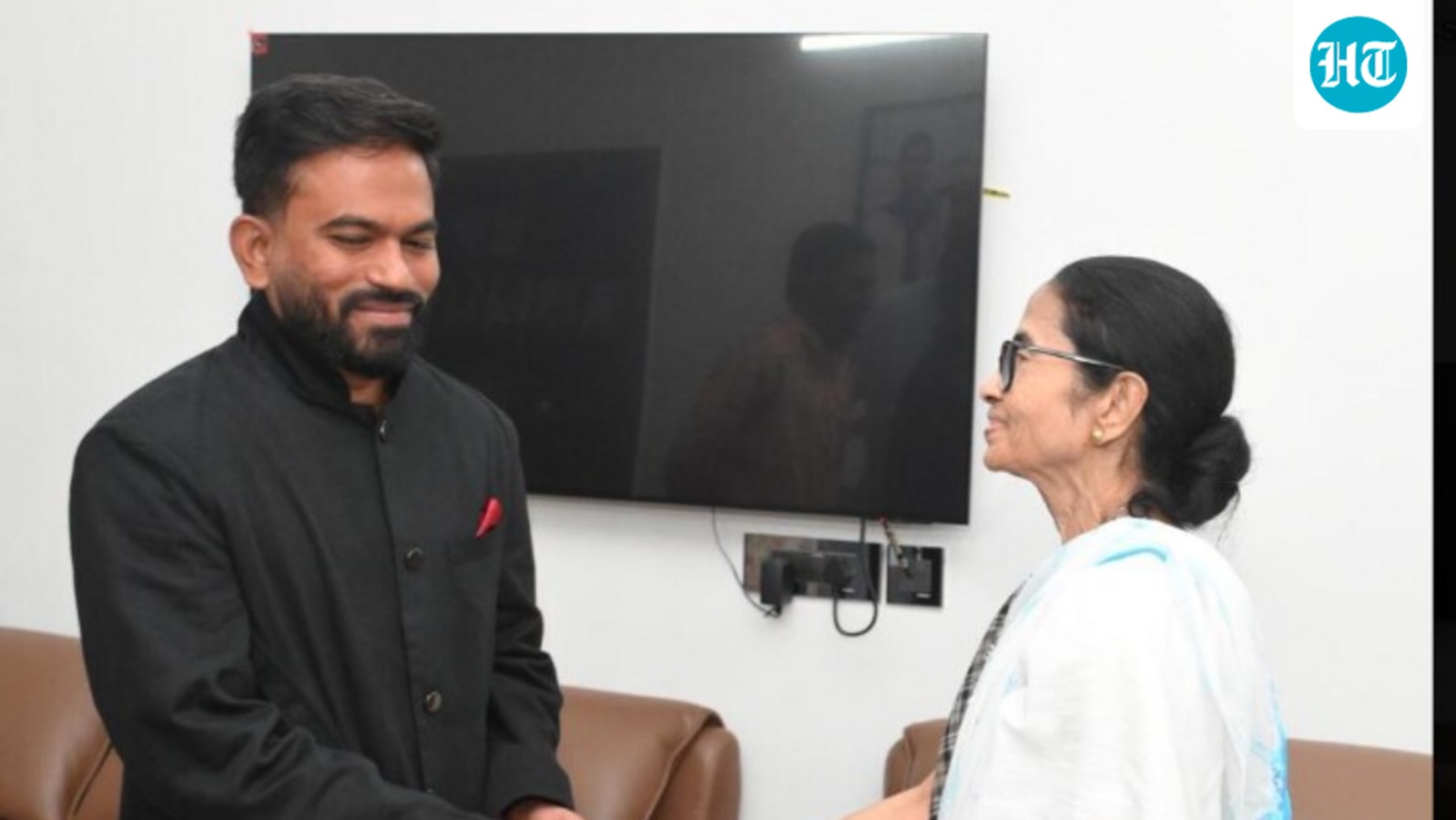
CJP founder Abhijeet Dipke met with West Bengal CM Mamata Banerjee in Delhi. While expressing gratitude to the TMC chief, Dipke clarified that CJP will not participate in the upcoming INDIA bloc rally.
Strategic Engagement: The Meeting Between Abhijeet Dipke and Mamata Banerjee
A Meeting of Political Significance
The recent encounter between Citizens for Justice and Peace (CJP) founder Abhijeet Dipke and Trinamool Congress (TMC) chief Mamata Banerjee in Delhi marks a noteworthy interaction within the volatile landscape of Indian opposition politics. As the political temperature rises ahead of key electoral demonstrations, such meetings are often scrutinized for their potential to shift alliances or signal broader support structures. Mamata Banerjee’s explicit expression of pride regarding Dipke’s work underscores the alignment of interests between the TMC leadership and various civil society organizations.
Clarifying the INDIA Bloc Stance
Despite the warmth of the meeting, the narrative has been carefully calibrated to avoid over-interpretation. Dipke has explicitly stated that while he visited to thank the Chief Minister, his organization, CJP, will not be joining the INDIA bloc rally. This distinction is crucial in the current political climate, where observers are constantly looking for signs of formal coalition expansion. By maintaining this distance, Dipke preserves the organizational independence of CJP while acknowledging the personal and political rapport shared with Banerjee.
The Role of Civil Society in Political Discourse
The interaction highlights the ongoing dialogue between civil society advocates and regional political powerhouses. In the context of Indian democracy, figures like Dipke often operate at the intersection of activism and policy advocacy. Mamata Banerjee’s recognition of his efforts suggests a strategic move to cultivate ties with non-partisan or semi-partisan entities that command influence within specific demographic or ideological segments of the electorate.
Analyzing the 'Support' Nuance
While Dipke has distanced CJP from the formal INDIA bloc rally, his mention of supporting the "cause" introduces a layer of political ambiguity. This suggests that while formal institutional participation might be off the table, there exists a shared ideological framework regarding the issues the INDIA bloc intends to highlight. This nuanced position allows CJP to retain its activist credibility without being subsumed into the formal political structure of a coalition, a common strategy for organizations wary of being labeled as purely partisan.
Broader Implications for Opposition Unity
The meeting serves as a microcosm of the challenges facing opposition unity in India. The INDIA bloc, an alliance of various parties with disparate regional interests, is constantly navigating the fine line between central coordination and the autonomy of its members. Banerjee, as a cornerstone of this bloc, continues to engage with a wide array of stakeholders, using her platform to signal support for various causes, even when those causes stop short of full-scale integration into her formal political rallies.
Future Trends and Conclusion
As we look toward future developments, the relationship between civil society actors and political parties will likely become more complex. Organizations like CJP will continue to balance their mission-driven objectives with the realities of political power. The meeting between Dipke and Banerjee serves as a reminder that political alliances are not merely about formal coalition membership; they are also built on personal rapport, shared ideological goals, and the careful management of public optics. Moving forward, the impact of such interactions on the broader political landscape will depend on how successfully these groups can translate their influence into sustained public discourse.
Verification Required?