‘Internal democracy’, not ‘rebellion’, NC says of 17 MLAs meeting over party affairs
Source Entity
India Latest News: Top National Headlines Today & Breaking News | The Hindu
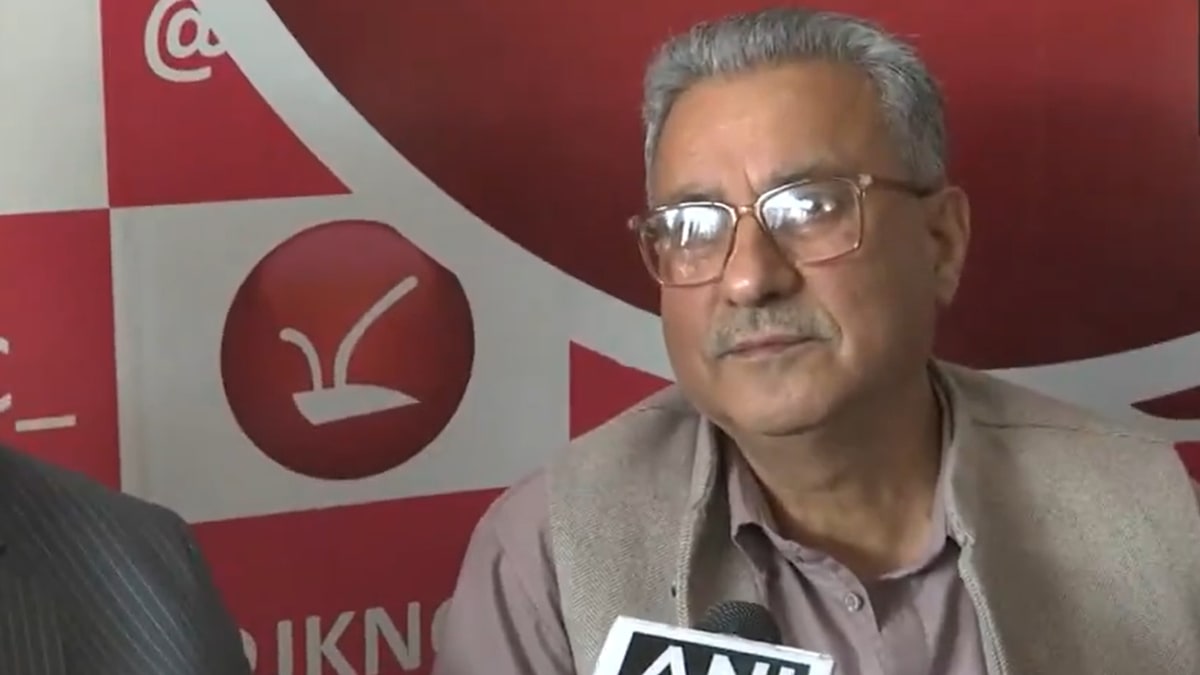
National Conference legislators in Jammu and Kashmir have submitted a list of demands to party president Farooq Abdullah, framing the move as internal party democracy rather than a rebellion. The group is calling for the restoration of statehood, manifesto implementation, and cabinet reshuffles.
Internal Tensions Within the National Conference
On October 31, 2026, the political landscape of Jammu and Kashmir witnessed a notable development as 17 National Conference (NC) legislators convened to formalize a list of grievances directed at party leadership. While the optics of such a gathering often suggest a fracture in party unity, NC provincial president Showkat Ahmad Mir has actively sought to reframe the narrative, characterizing the meeting as a healthy exercise of internal democracy rather than a nascent rebellion against the established order.
The Core Demands and Strategic Pressure
The discontented legislators have presented a multi-faceted agenda to party president Farooq Abdullah. Their primary demands include an intensified push for the restoration of statehood—a central pillar of the party’s political identity—and the fulfillment of specific promises made in the 2024 election manifesto within a six-month window. Furthermore, the group has targeted administrative and ministerial configurations, explicitly calling for the removal of the Chief Minister’s advisor, Wani, and a reconsideration of the portfolios currently assigned to Deputy Chief Minister Surinder Choudhary.
Interpreting the 'Internal Democracy' Narrative
Showkat Ahmad Mir’s public response serves as a strategic attempt to de-escalate the situation. By comparing the discord to familial disagreements, the party leadership is attempting to contain the fallout and prevent the perception of instability. The acknowledgment that "everyone wants to become a Minister" highlights the inherent challenge of managing a large base of veteran legislators who hold high expectations for political reward following electoral victories. This tension is a classic hallmark of coalition and party management, particularly in regions with complex political histories like Jammu and Kashmir.
Broader Political Implications
The timing of these demands is critical. By setting a six-month deadline for manifesto implementation, the legislators are effectively putting the government on notice. The demand for changes to the Deputy CM’s portfolio and the removal of key advisory staff suggests that the dissent is not merely about policy, but also about the distribution of power and influence within the current administration. If these demands are not addressed, the NC risks transforming what they call 'internal democracy' into a more serious legislative hurdle that could complicate governance.
Future Trends and Party Stability
Looking ahead, the National Conference will need to balance the aspirations of its seasoned lawmakers with the necessity of maintaining a unified front. The ability of Dr. Farooq Abdullah to mediate these grievances will be a litmus test for his leadership. Should the party fail to address these concerns, they may face increased friction during legislative sessions, potentially slowing down the implementation of their 2024 manifesto. The coming months will determine whether this meeting was a constructive expression of internal debate or the beginning of a deeper institutional crisis.
Verification Required?