'Secret meets on foreign soil': PM Modi says opposition conspiring to divide nation
Source Entity
RAJEEV SINGH
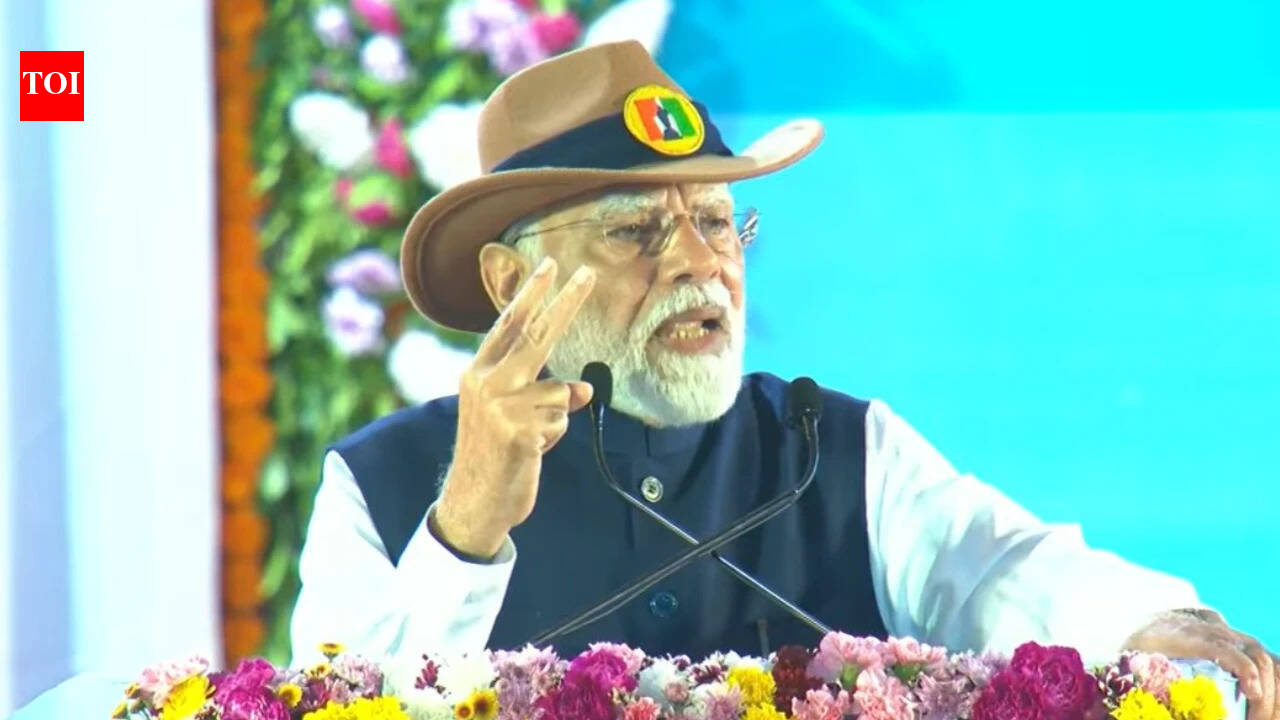
Prime Minister Narendra Modi has accused the opposition of conspiring to destabilize India through foreign-based meetings and the weaponization of social media. He warned citizens against 'Dimagi Naxalism,' describing it as an ideological threat that seeks to undermine national integrity and constitutional dignity.
The Growing Concern Over 'Dimagi Naxalism'
Prime Minister Narendra Modi has recently leveled serious allegations against the political opposition, claiming that secret meetings held on foreign soil are part of a broader conspiracy to divide the nation. These statements highlight an intensifying political climate where the definition of national security is being expanded to include ideological and digital warfare. The Prime Minister’s rhetoric underscores a deep-seated concern within the current administration regarding how domestic political discourse is perceived and potentially influenced by international actors.
The Weaponization of Digital Narratives
Central to the Prime Minister’s address is the assertion that social media is being systematically weaponized to spread rumors and malign India's global reputation. In the digital age, information warfare has become a primary tool for political agitation. By characterizing these online activities as a deliberate attempt to create instability, the government is signaling a shift toward stricter scrutiny of digital platforms and the narratives disseminated upon them. This suggests a future trend where the government may increase its regulatory pressure on social media companies to curb what it defines as misinformation.
Defining 'Dimagi Naxalism'
Perhaps the most significant aspect of the Prime Minister's speech is the introduction of the term 'Dimagi Naxalism,' or 'intellectual Naxalism.' While the state has largely succeeded in curbing physical Naxalite insurgency in remote regions, the Prime Minister argues that the ideological threat persists. This terminology suggests that the administration views intellectual dissent and certain forms of activism not merely as democratic discourse, but as an existential threat to the nation's stability, comparable to the armed insurgencies of the past.
Constitutional Integrity and Political Boundaries
PM Modi’s claim that the opposition is 'ripping apart the dignity and boundaries of the Constitution' serves to frame the current political conflict as a battle for the soul of the country. By invoking the Constitution, the Prime Minister aims to delegitimize the opposition's activities, positioning the government as the sole defender of national law and order. This strategy effectively creates a binary in the public consciousness: those who support the government’s vision of unity and those who are accused of facilitating fragmentation.
Implications for Future Political Trends
Looking ahead, this narrative is likely to dominate the electoral landscape. We can expect the government to continue emphasizing the dangers of 'foreign interference' and 'internal instability' as core campaign themes. Furthermore, the focus on 'Dimagi Naxalism' suggests that the government will likely maintain a hardline stance against critics, potentially leading to a more polarized environment where political opposition is increasingly viewed through the lens of national security rather than legitimate democratic debate.
Conclusion
In summary, the Prime Minister’s recent remarks mark a significant escalation in the rhetoric surrounding national security and political opposition in India. By linking domestic political activities to foreign conspiracies and intellectual extremism, the administration is setting the stage for a period of heightened vigilance and ideological confrontation. As the nation moves forward, the impact of these claims on public policy and the freedom of expression will remain a critical focal point for observers of Indian democracy.