Collective backs Ahmedabad school that forced to drop Malala, Anne Frank books
Source Entity
Ritu Sharma
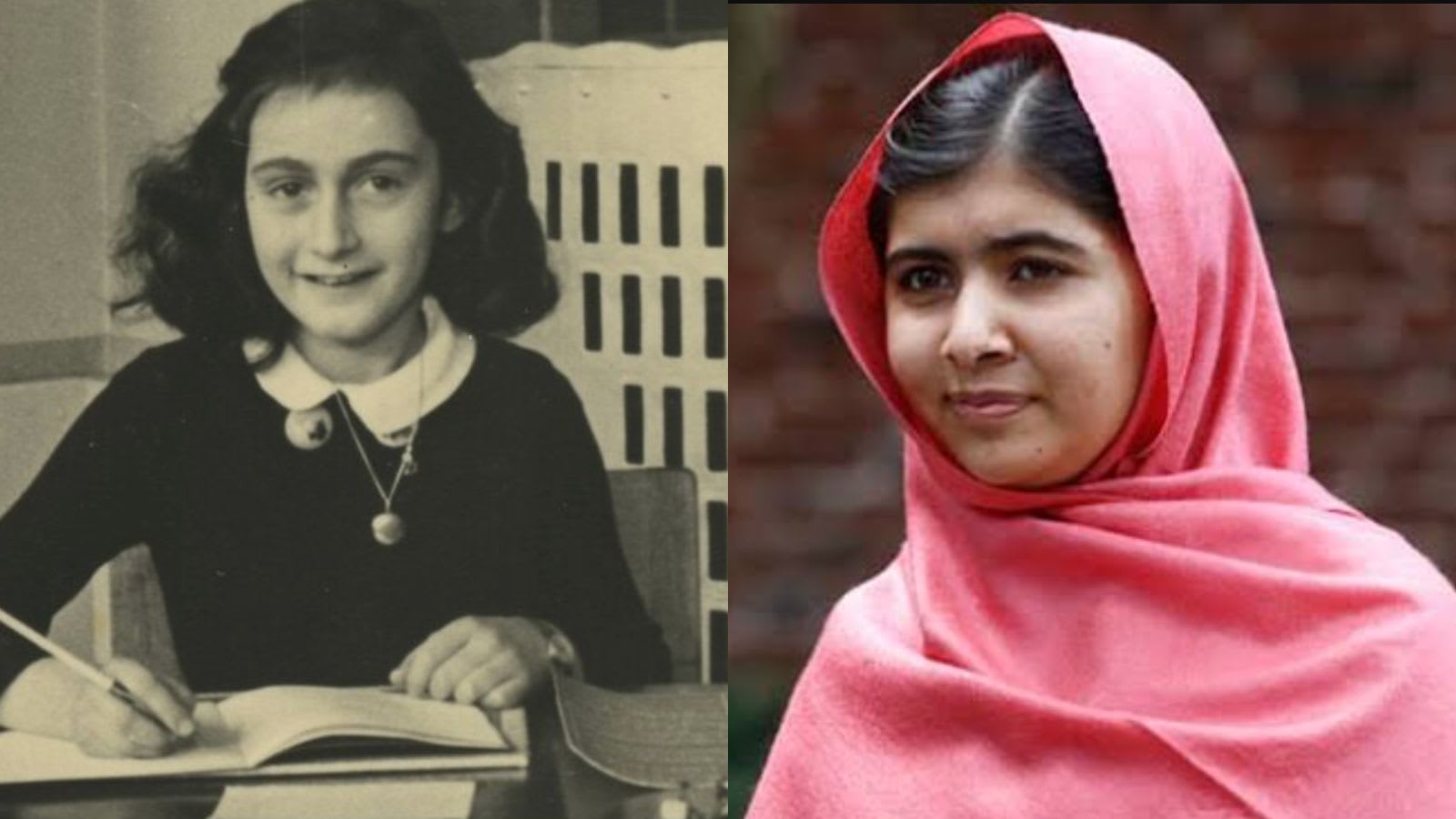
A collective of 200 people has expressed support for an Ahmedabad school pressured to remove literature by Malala Yousafzai and Anne Frank. The incident, sparked by unrelated food safety protests, has raised concerns regarding the state of academic freedom in India.
Academic Freedom Under Siege: The Ahmedabad Book Controversy
The Incident and Public Response
A private school in Ahmedabad, the Anand Niketan School, recently found itself at the center of a contentious debate regarding academic freedom. Following protests that began on August 11, triggered by an alleged food safety incident involving a piece of glass in a school meal, the institution was coerced into removing literary works by Nobel laureate Malala Yousafzai and Holocaust survivor Anne Frank from its mandatory reading list. In response, a civil society initiative known as the Student and Youth Collective has mobilized, with over 200 individuals expressing solidarity with the school's right to curate a diverse and challenging curriculum.
The Role of Civil Society in Education
The Student and Youth Collective has characterized the removal of these books as an "extremely worrying symptom" of the current educational climate in Gujarat and throughout India. By issuing a formal statement, they are challenging the growing trend of external groups dictating pedagogical content. The group argues that education is fundamentally multifaceted and that schools must be allowed to engage with diverse, critical resources that extend beyond the standard, state-sanctioned textbook curriculum. Their intervention highlights a growing tension between localized parental concerns and the broader necessity of providing students with global perspectives.
Historical Context of Censorship
The removal of literature by figures like Anne Frank—a symbol of resilience against systemic hate—and Malala Yousafzai—a global advocate for female education—is particularly significant. These works are globally recognized for their educational value in teaching history, human rights, and the importance of perseverance. The pressure to exclude such texts suggests a reactionary environment where sensitive historical narratives or progressive ideals are viewed with suspicion. This mirrors historical instances of censorship where educational institutions are pressured to sanitize curricula to align with the ideological preferences of local interest groups.
Broader Implications for Indian Education
This event raises critical questions about the autonomy of private educational institutions in India. While parents are legitimate stakeholders in school administration, the leveraging of unrelated grievances—such as food safety—to exert influence over academic content sets a dangerous precedent. If schools are forced to capitulate to external pressure groups, the quality of critical thinking and exposure to diverse worldviews in the classroom is likely to diminish. This scenario risks creating an environment where educators self-censor to avoid controversy, ultimately depriving students of a robust intellectual foundation.
Future Trends and Conclusion
As the debate continues, the focus remains on whether the state government or school boards will take a stand to protect academic independence. The actions of the Student and Youth Collective indicate a growing awareness among civil society members that the battle for the curriculum is a battle for the future of national discourse. Moving forward, the expectation is that institutions will face increased scrutiny from both conservative groups and civil rights advocates. The ultimate resolution of this case will serve as a bellwether for the level of intellectual freedom that will be permitted within private schooling systems in the years to come.