Ajay Devgn vs Tukaram Mundhe: Vimal ad row heads to Bombay HC next week
Source Entity
The Indian Express
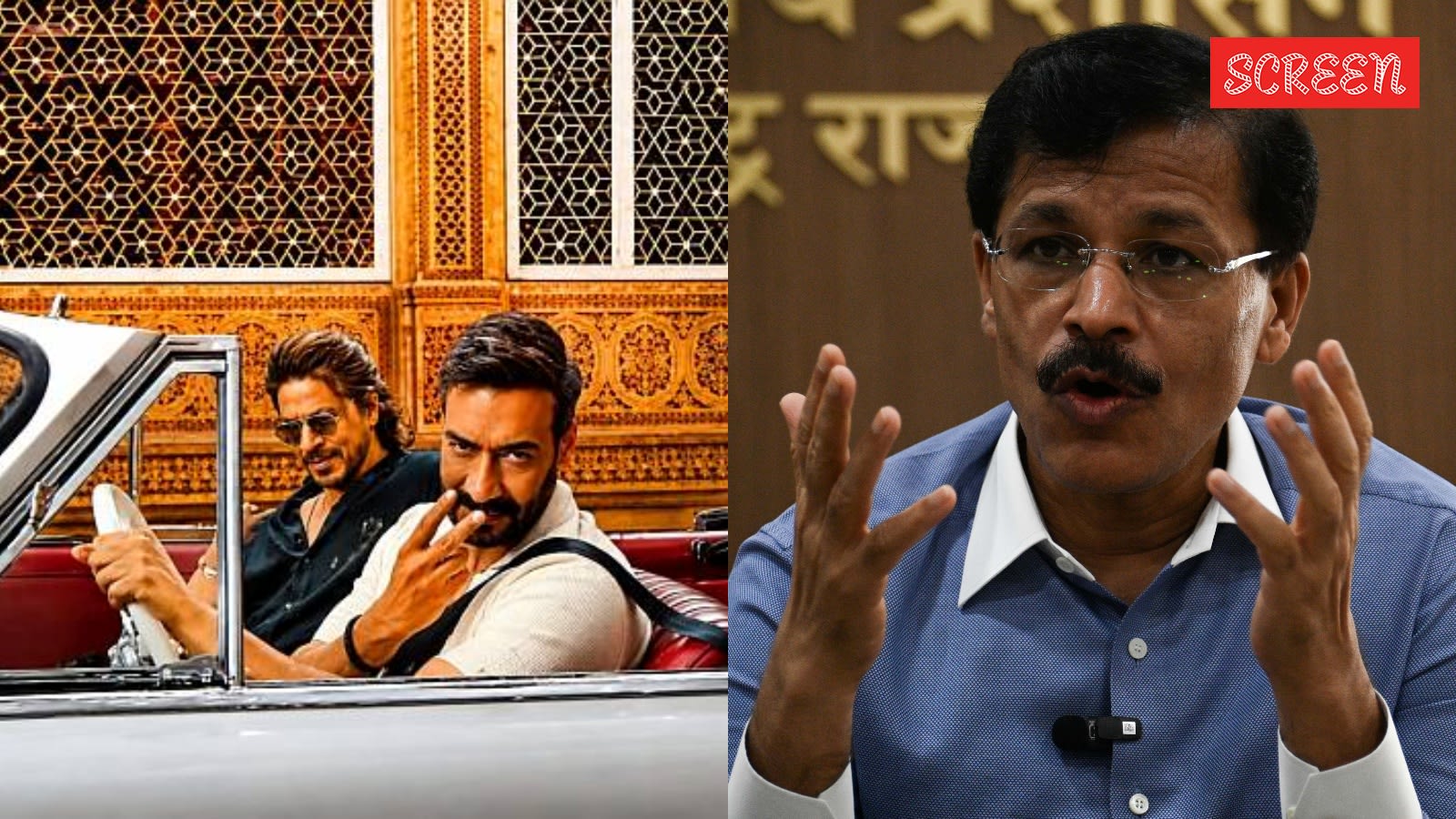
Ajay Devgn has petitioned the Bombay High Court to challenge an FDA show-cause notice regarding his 'Vimal Elaichi' advertisements. The FDA contends these ads act as surrogate promotions for a banned tobacco product, while the actors argue the regulatory action against them is arbitrary.
Legal Confrontation: Bollywood Faces FDA Scrutiny
Bollywood superstar Ajay Devgn has officially initiated legal proceedings in the Bombay High Court, challenging a show-cause notice issued by the Maharashtra Food and Drug Administration (FDA). The dispute centers on television advertisements for 'Vimal Elaichi,' which the FDA asserts function as surrogate promotions for 'Vimal Pan Masala,' a chewable product classified as a prohibited smokeless tobacco item within the state of Maharashtra. This legal battle marks a significant escalation in the ongoing tension between regulatory bodies and celebrity brand ambassadors.
The Core of the Dispute
The FDA, led by Commissioner Tukaram Mundhe, contends that the marketing of 'Vimal Elaichi' is a strategic attempt to circumvent bans on tobacco products by utilizing the same brand identity for a non-tobacco variant. By issuing show-cause notices to prominent actors including Ajay Devgn, Shah Rukh Khan, and Tiger Shroff, the regulatory body is signaling a shift toward holding individuals accountable for the products they promote. The FDA has demanded that these actors explain their endorsement agreements and take steps to withdraw the advertisements, citing public health concerns.
Arbitrariness and Accountability
In his petition to the Bombay High Court, Ajay Devgn has argued that the FDA’s approach is fundamentally arbitrary. His legal team posits that targeting the actors for the nature of the brand's product range is an overreach, suggesting that the primary responsibility for regulatory compliance should rest with the manufacturing company rather than the individual performers. This defense highlights a growing debate in Indian media law regarding the extent to which celebrities should be held liable for the broader business practices of the corporations they represent.
Regulatory Adjudication and Next Steps
While FDA Commissioner Tukaram Mundhe confirmed that all three actors—Devgn, Khan, and Shroff—responded to the initial notices and were granted hearings, the transition to the adjudication stage indicates that the FDA is not backing down. With the case now moving to the Bombay High Court, a division bench comprising Chief Justice Mahesh Chandra Tripathi and Justice Advait Sethna is scheduled to hear Devgn’s petition on November 4. This judicial review will be a critical juncture, potentially setting a legal precedent for how surrogate advertising is handled in India.
Broader Implications for Celebrity Endorsements
The outcome of this case will likely have far-reaching implications for the Indian advertising landscape. If the court upholds the FDA’s position, it could lead to stricter scrutiny of celebrity contracts and a potential decline in surrogate advertising practices. Conversely, a ruling in favor of the actors could reinforce the argument that performers are intermediaries rather than regulators, forcing the FDA to pivot its focus back to the manufacturing entities directly. As it stands, the case remains a landmark example of the friction between aggressive public health regulation and the lucrative world of celebrity-backed brand marketing.
Multiple Citing Sources