'Punjabion ko naa sikhaao...': Diljit Dosanjh's pointed message amid CJP row
Source Entity
TOI ENTERTAINMENT DESK
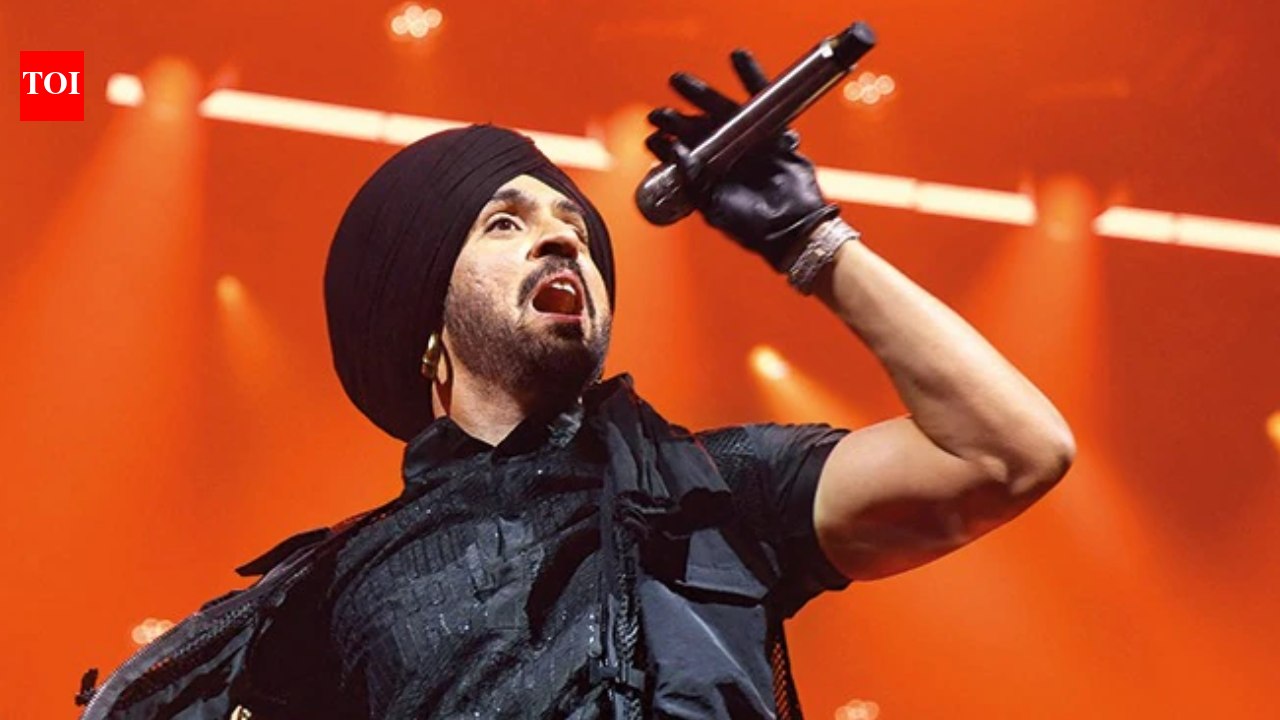
Singer Diljit Dosanjh confronted criticism from the Cockroach Janta Party's Abhijeet Dipke during his Delhi concert. The exchange followed public backlash regarding Dosanjh's silence on the NEET paper leak protests and the mocking of his film 'Satluj'.
The Intersection of Art and Activism: The Dosanjh-Dipke Controversy
Recent events at a Diljit Dosanjh concert at the Jawaharlal Nehru Stadium in New Delhi have brought to the forefront the evolving relationship between cultural icons and sociopolitical discourse. The singer, known for his global musical impact, found himself at the center of a public confrontation with Abhijeet Dipke, a member of the 'Cockroach Janta Party' (CJP). The friction began when Dosanjh was criticized for his perceived silence regarding the student-led protests following the NEET paper leak, a high-stakes issue currently impacting the Indian academic landscape.
The Catalyst: NEET Protests and Artistic Neutrality
The controversy escalated when Dosanjh responded to fan inquiries about the NEET protests by stating, "I am just an artist." This assertion of neutrality was met with immediate backlash from critics, including Dipke, who argued that figures with massive platforms have a moral obligation to engage with pressing national issues. This highlights a growing societal trend where fans and political entities hold celebrities accountable for their silence on public grievances, effectively blurring the lines between personal artistry and political advocacy.
Defending Artistic Integrity and 'Satluj'
During his Delhi performance, Dosanjh struck back, addressing the criticism without naming his detractors directly. He notably defended his film 'Satluj,' which focuses on the human rights activist Jaswant Singh Khalra. By linking the mockery of his film to the broader attempt to dictate how Punjabis should engage with political struggle, Dosanjh framed the criticism as an affront to his cultural and artistic identity. His statement, "Punjabion ko naa sikhaao" (Don't teach Punjabis), served as a rallying cry, asserting that his commitment to social issues is demonstrated through his creative work rather than performative public statements.
The Anatomy of an Apology
Following the singer's assertive stance on stage, Abhijeet Dipke issued a public apology via social media. He requested forgiveness from the artist, framing his initial criticism as a misunderstanding and referring to himself as a 'younger brother' in his communication. This shift from aggressive critique to reconciliation underscores the power dynamics often at play when influential artists confront their critics. The apology serves as a testament to the cultural weight Dosanjh carries, where even political commentators find it necessary to recalibrate their approach when faced with direct pushback from such a prominent figure.
Broader Implications for Celebrity Culture
The incident serves as a microcosm of the current climate in India, where the expectations placed on artists are increasingly polarized. As social media platforms provide a direct line of communication between activists and public figures, the space for 'neutrality' is shrinking. The episode suggests that while artists like Dosanjh wish to maintain a distinction between their creative output and political activism, the public is increasingly unwilling to accept such boundaries. Moving forward, we can expect this tension to persist, as the influence of artists in shaping public opinion remains a contentious and highly charged subject in the national discourse.
Multiple Citing Sources