Amazon to report Q3 earnings after the bell with AI spend under scrutiny
Source Entity
US Top News and Analysis
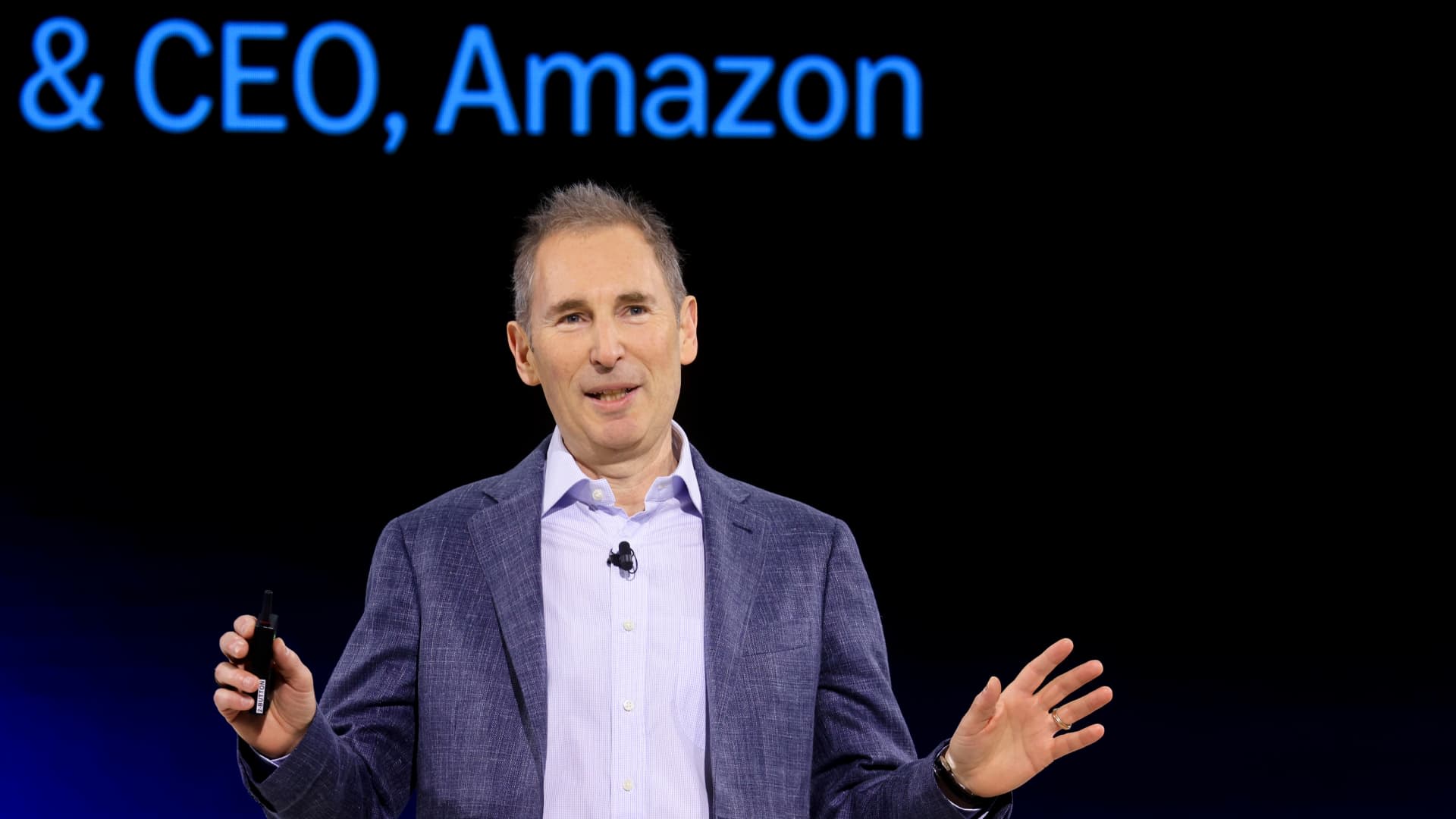
Amazon's Q3 earnings report revealed a complex financial picture, highlighting robust AWS growth alongside investor skepticism regarding massive capital expenditures. Despite CEO Andy Jassy's long-term vision of a $1 trillion AWS business, high AI infrastructure spending led to initial market volatility.
Amazon's Strategic Gamble: Balancing AI Infrastructure and Market Expectations
The Q3 Earnings Landscape
Amazon’s third-quarter earnings report arrived amidst intense scrutiny from Wall Street, serving as a critical barometer for the company’s massive investment in artificial intelligence. With expectations set at an adjusted earnings per share of $1.96 and a total revenue target of $202.31 billion, the company faced a high-stakes environment. While AWS sales showed significant momentum—projected to grow by 38%—the broader market reaction highlighted a growing tension between long-term infrastructure goals and immediate quarterly performance metrics.
The Cloud Growth Narrative
Central to Amazon's growth strategy is Amazon Web Services (AWS), which continues to be the primary engine of the company's profitability. The report indicated a fifth consecutive quarter of revenue acceleration for the cloud division, with anticipated sales reaching $45.48 billion. This trajectory confirms that AWS remains a dominant force in the global cloud computing market, even as competition from other hyperscalers intensifies. Analysts closely watched these figures to determine if Amazon could sustain its lead while integrating advanced generative AI capabilities into its existing service stack.
The Capex Conundrum
Despite the impressive growth in cloud sales, investor sentiment cooled following the release, as modest advertising growth and the sheer scale of capital expenditures (capex) caused a stock price dip. CEO Andy Jassy has been transparent about the company's trajectory, confirming that Amazon intends to spend heavily to secure its position as the leader in AI cloud computing. The announcement that 2026 cash capex is expected to reach approximately $220 billion—with even higher spending projected for 2027—underscores a massive, multi-year financial commitment that is currently testing investor patience.
The Road to a Trillion-Dollar Business
Andy Jassy has articulated a bold, unprecedented ambition: to transform AWS into a $1 trillion revenue business. This goal represents a departure from traditional corporate scaling, as no business has yet achieved such a milestone in annual revenue. Jassy’s strategy relies on the assumption that current capital outlays for AI infrastructure will eventually yield substantial financial returns. He maintains that the current spending spree is the necessary foundation for building a unique ecosystem that will define the future of enterprise technology.
Implications and Future Trends
Looking ahead, Amazon’s ability to manage this "capex cycle" will likely be the defining factor of its financial performance over the next several years. The market is currently grappling with the trade-off between near-term margin pressure and the potential for long-term dominance in the AI sector. As the company continues to pour resources into infrastructure, the primary challenge for leadership will be demonstrating a clear line of sight to profitability for these AI investments, ensuring that the heavy spending translates into tangible value for shareholders while maintaining the company's competitive edge in the cloud market.
Multiple Citing Sources