SGPC to put up anti-drug activist Parvinder Singh Jhota’s portrait at Central Sikh Museum
Source Entity
Latest News: Todays Latest News Headlines from India & World | Hindustan Times | Hindustan Times
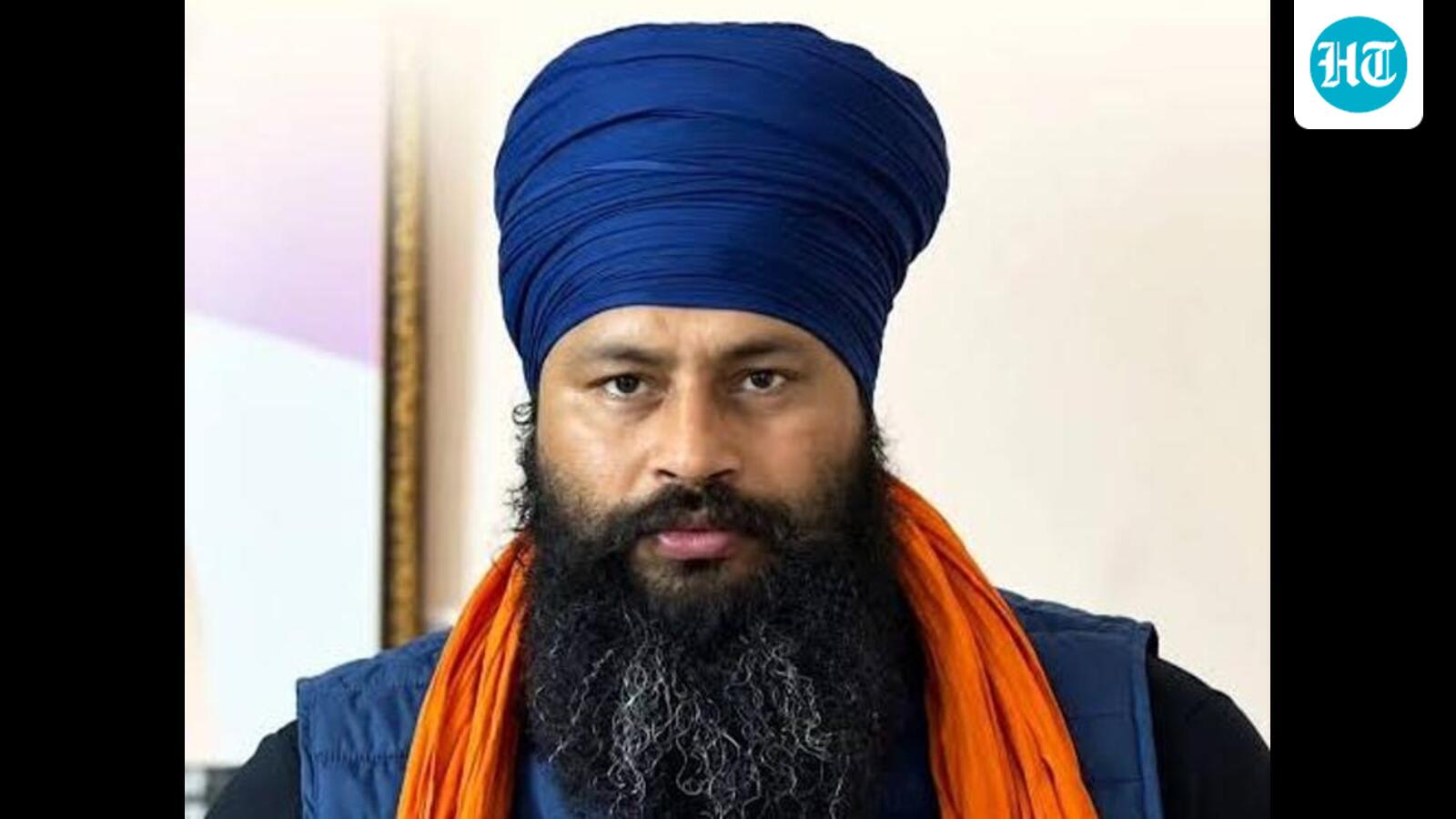
Union Home Minister Amit Shah has demanded accountability from the Punjab government following the murder of anti-drug activist Parvinder Singh Jhota. The incident has intensified political friction between the Centre and the AAP-led state government regarding law and order.
Escalating Tensions: The Punjab Drug Crisis and Political Accountability
Recent events in Punjab have brought the state's ongoing struggle with narcotics and organized crime to the forefront of national discourse. Union Home Minister Amit Shah has announced that the Ministry of Home Affairs will seek formal responses from the Punjab government regarding a series of narcotics-related deaths and the targeted killing of a prominent activist. This move signals a significant escalation in the federal government’s scrutiny of the Bhagwant Mann-led administration.
The Tragedy of Parvinder Singh Jhota
The catalyst for this confrontation is the killing of Parvinder Singh Jhota, a former boxer and dedicated anti-drug crusader. On October 13, 2026, Jhota was shot dead at a medical store in the Mansa district. Jhota had become a symbol of grassroots resistance through his 'Nasha Roko, Rozgaar Do' (Stop Drugs, Provide Employment) campaign. His assassination has not only sparked public outrage and protests in Mansa but has also highlighted the extreme risks faced by those attempting to dismantle the local narcotics trade.
Federal Critique of Law and Order
Union Home Minister Amit Shah’s public comments reflect a broader concern regarding the perceived deterioration of law and order in Punjab. By linking Jhota's murder to the tragic death of a father in Dirba, who reportedly consumed poison under extreme pressure, Shah has framed these incidents as systemic failures. The Union government’s decision to demand an explanation suggests that the Centre views the current state of governance as insufficient to protect the lives of citizens or the safety of those speaking out against illicit drug networks.
The Intersection of Organized Crime and Public Safety
Beyond individual incidents, the core of the issue lies in the nexus between the growing drug trade and organized crime. Shah’s assertion that the protection of anti-drug activists is being compromised points to an environment where criminal syndicates may be operating with a degree of impunity. This environment threatens the efficacy of civic movements and creates a climate of fear that hampers community-led anti-drug initiatives.
State Government Response and Political Friction
In response to the mounting pressure, Punjab Chief Minister Bhagwant Mann has emphasized that his government will not interfere in the police’s investigative processes. This stance appears to be an attempt to project impartiality and institutional independence amidst accusations of negligence. However, the political divide between the central leadership and the AAP government in Punjab suggests that this issue will continue to serve as a major point of contention in future policy debates.
Future Implications for Punjab
The ongoing conflict underscores a critical challenge: how to effectively combat a deeply entrenched narcotics crisis while maintaining the rule of law. As the Ministry of Home Affairs moves to formalize its inquiry, the pressure on the Punjab government to demonstrate tangible results in curbing organized crime will intensify. The resolution of this situation will likely shape the future of anti-drug policy in the region and influence the nature of federal-state cooperation on internal security matters.
Multiple Citing Sources
Verification Required?