BJP-Akalis backchannel talks on, Amit Shah’s remark fuels alliance buzz
Source Entity
Raakhi Jagga
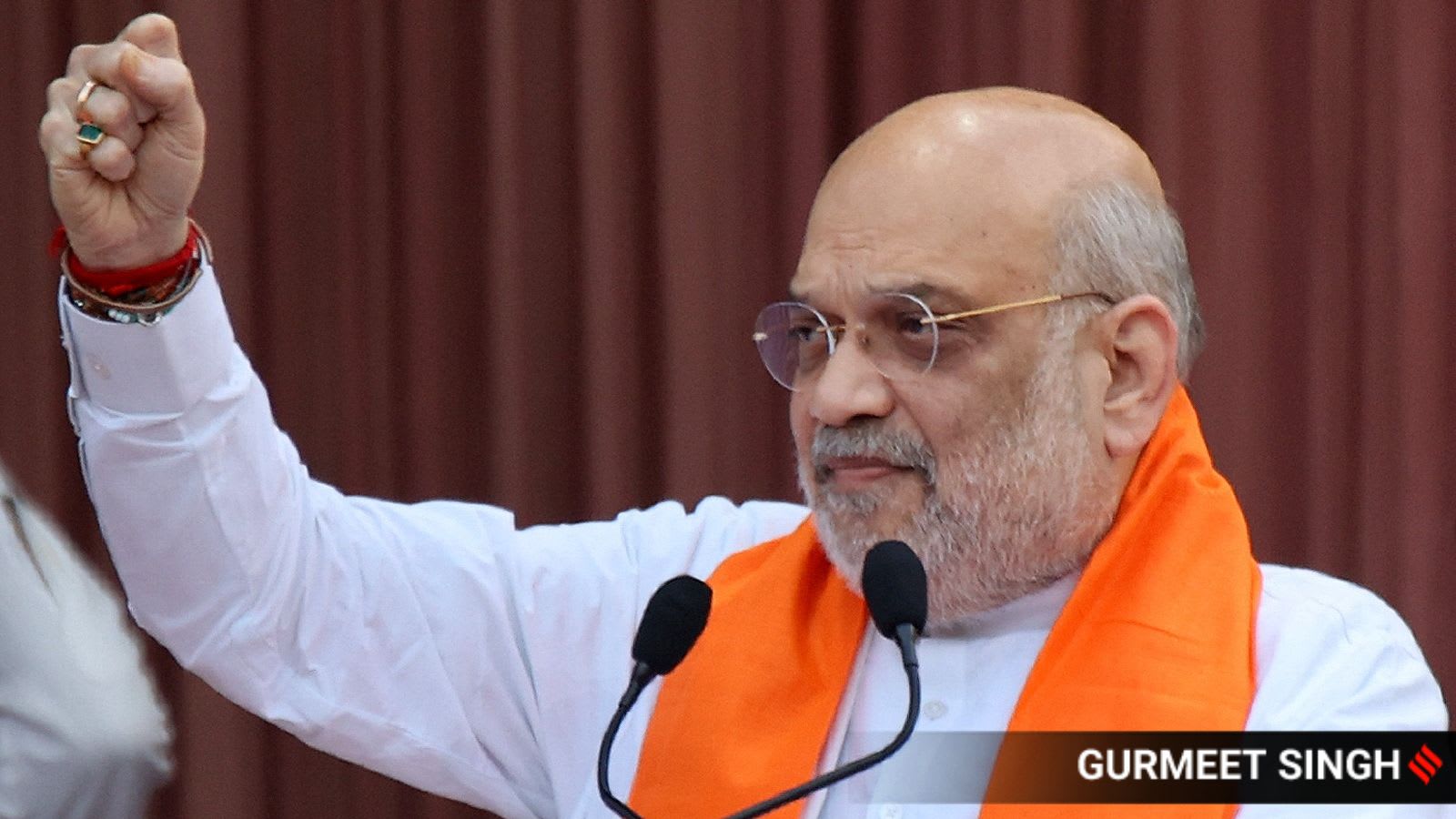
Union Home Minister Amit Shah has intensified his critique of the Opposition, accusing them of undermining national security and enabling infiltrators. Simultaneously, speculation surrounding a potential BJP-SAD alliance in Punjab grows as Shah predicts a major electoral shift in the region.
The Political Strategy of Amit Shah: Security, Stability, and Electoral Realignment
Union Home Minister Amit Shah has recently occupied the center stage of Indian political discourse, framing the current national environment as a contest between developmental progress and destabilizing forces. By positioning himself as a primary architect of India’s security apparatus, Shah argues that internal security threats—ranging from extremist elements to drug trafficking—are being exacerbated by political actors who allegedly seek to undermine the constitutional framework established by Dr. B.R. Ambedkar. This rhetoric serves to consolidate the government's narrative that national interest is synonymous with the current administration's mandate.
The 'Infiltrator' Narrative and Electoral Integrity
Central to Shah’s recent messaging is the assertion that Opposition parties, particularly the Congress, utilize allegations of "vote chori" (electoral theft) as a strategic facade. According to the Home Minister, these claims are not grounded in genuine concern for democratic processes but are rather a mechanism to protect the voting rights of infiltrators. By framing electoral criticism as an attack on the integrity of the nation, the BJP seeks to delegitimize Opposition dissent, positioning the ruling party as the sole protector of India's demographic and electoral sanctity.
Punjab and the Dynamics of Alliance
Shah’s focus on Punjab marks a significant escalation in regional political maneuvering. By predicting the defeat of the Aam Aadmi Party (AAP) and accusing them of facilitating the growth of the drug trade, the Home Minister is setting the stage for a high-stakes electoral battle. His remarks have further fueled intense speculation regarding a potential reunion between the Bharatiya Janata Party (BJP) and the Shiromani Akali Dal (SAD). Backchannel communications suggest that both parties are exploring a reconciliation, potentially realigning the political landscape of the state as the next assembly elections approach.
Challenges to Governance and Stability
Beyond electoral politics, the Home Minister has highlighted the risks posed by external influences and domestic instability. Drawing parallels to recent civil unrest in neighboring countries like Nepal and Bangladesh, Shah has warned that certain elements within India are attempting to mirror these agitations. This framing serves a dual purpose: it emphasizes the necessity of a strong, central security policy and warns the electorate against supporting "regime change" movements that the government characterizes as anti-national.
Developmental Projects as Political Tools
Even while engaging in sharp political critique, Shah continues to leverage developmental milestones to bolster his party's image. During his visit to Dwarka, where he inaugurated infrastructure projects worth over Rs 8,900 crore—including Delhi Jal Board initiatives and Yamuna cleaning efforts—he effectively bridged the gap between governance and campaigning. By linking the delivery of public services to the necessity of a stable, NDA-led government, he reinforces the message that development is intrinsically tied to the political continuity of his party.
Conclusion: A Path Toward 2025
As the political temperature rises, Amit Shah’s strategy remains clear: maintain a narrative of "ironclad resolve" in the face of internal and external threats, while simultaneously weakening regional incumbents through aggressive critiques and strategic alliance-building. Whether this approach results in a significant shift in Punjab and beyond will depend on how effectively the electorate balances these security-focused narratives against local governance concerns and economic realities.
Multiple Citing Sources