More districts, more councils but will Ladakh get political autonomy?
Source Entity
Naveed Iqbal
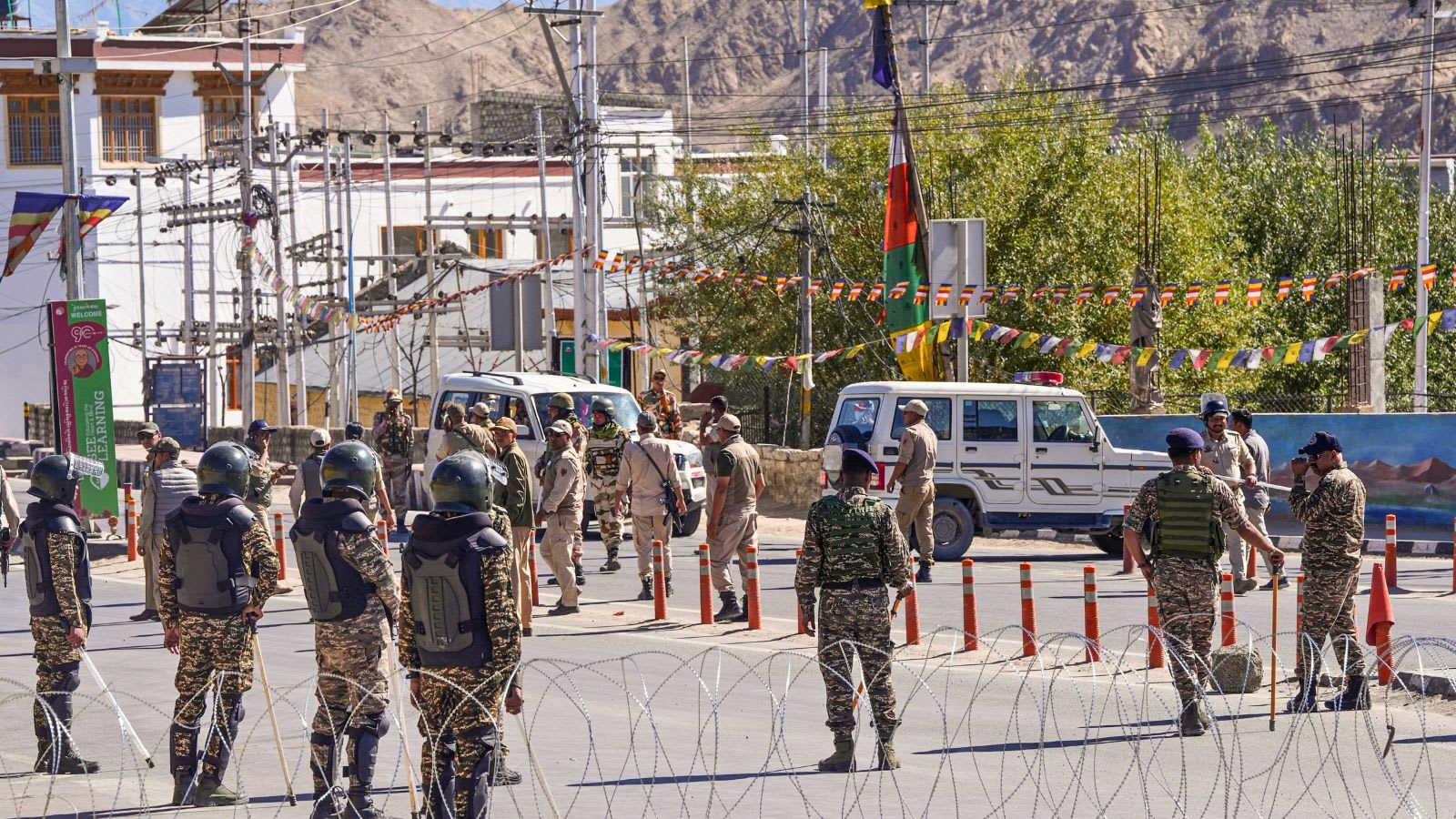
The dissolution of the Kargil LAHDC has left the region without local elected representation following a stalemate between Ladakhi leaders and the Centre. This move occurs amidst a broader administrative restructuring that includes the creation of five new districts and plans for individual councils for each.
The Shift in Ladakh's Political Landscape
The recent dissolution of the Ladakh Autonomous Hill Development Council (LAHDC) in Kargil marks a profound shift in the governance structure of the Union Territory. By dissolving this body, the administration has effectively removed the primary tier of local grassroots democracy, leaving the residents of Kargil with only a single Member of Parliament to represent their interests at the national level. This sudden administrative action highlights the deepening friction between local political aspirations and the central government's vision for the region's governance.
Contextualizing the Stalemate
This development follows a series of unsuccessful negotiations between Ladakhi leadership and the central government, which reached a definitive stalemate on October 15. The core of this disagreement centers on the demand for greater political autonomy and constitutional safeguards for the region. The dissolution of the council appears to be a direct consequence of the breakdown in these talks, signaling a period of heightened uncertainty for the political future of the territory.
Administrative Restructuring and Expansion
The decision to dissolve the Kargil council is occurring in tandem with an aggressive administrative expansion. Earlier this year, the Centre approved the creation of five new districts in the Union Territory, effectively raising the total count to seven. Furthermore, Lieutenant Governor V K Saxena recently approved a proposal to establish a separate LAHDC for each of these seven districts. While the government frames this as a move toward decentralized administration, critics argue that these measures may dilute existing political mandates rather than empower local populations.
Historical Evolution Since 2019
To understand the current tension, one must look back to August 2019, when Ladakh was carved out as a Union Territory from the erstwhile state of Jammu and Kashmir. Unlike the former state, which possessed a legislative assembly, Ladakh was designated as a Union Territory without a legislature. This structural change shifted the burden of local governance entirely onto the LAHDC and the central administration, creating a reliance on these councils that is now being fundamentally altered.
Future Implications for Autonomy
The move to replace the established Kargil council with a potentially fragmented system across seven new districts raises significant questions about the nature of political autonomy in Ladakh. While the administration points to the creation of new councils as a sign of progress, the current lack of local representation suggests that the path toward meaningful self-governance remains obstructed. Observers will be watching closely to see if these new councils can achieve the same level of political weight as their predecessors or if they will serve as purely administrative arms of the central government.
Conclusion
The dissolution of the Kargil LAHDC reflects the volatile intersection of administrative restructuring and the demand for democratic representation. As the region transitions into a new district-based council model, the gap left by the absence of an elected local body underscores the fragility of the current political setup. Whether this restructuring will ultimately lead to genuine empowerment or further central control remains the central question facing the people of Ladakh.