Trump administration warns H-1B, J-1 visa fraud threatens American jobs and security
Source Entity
Latest News: Todays Latest News Headlines from India & World | Hindustan Times | Hindustan Times
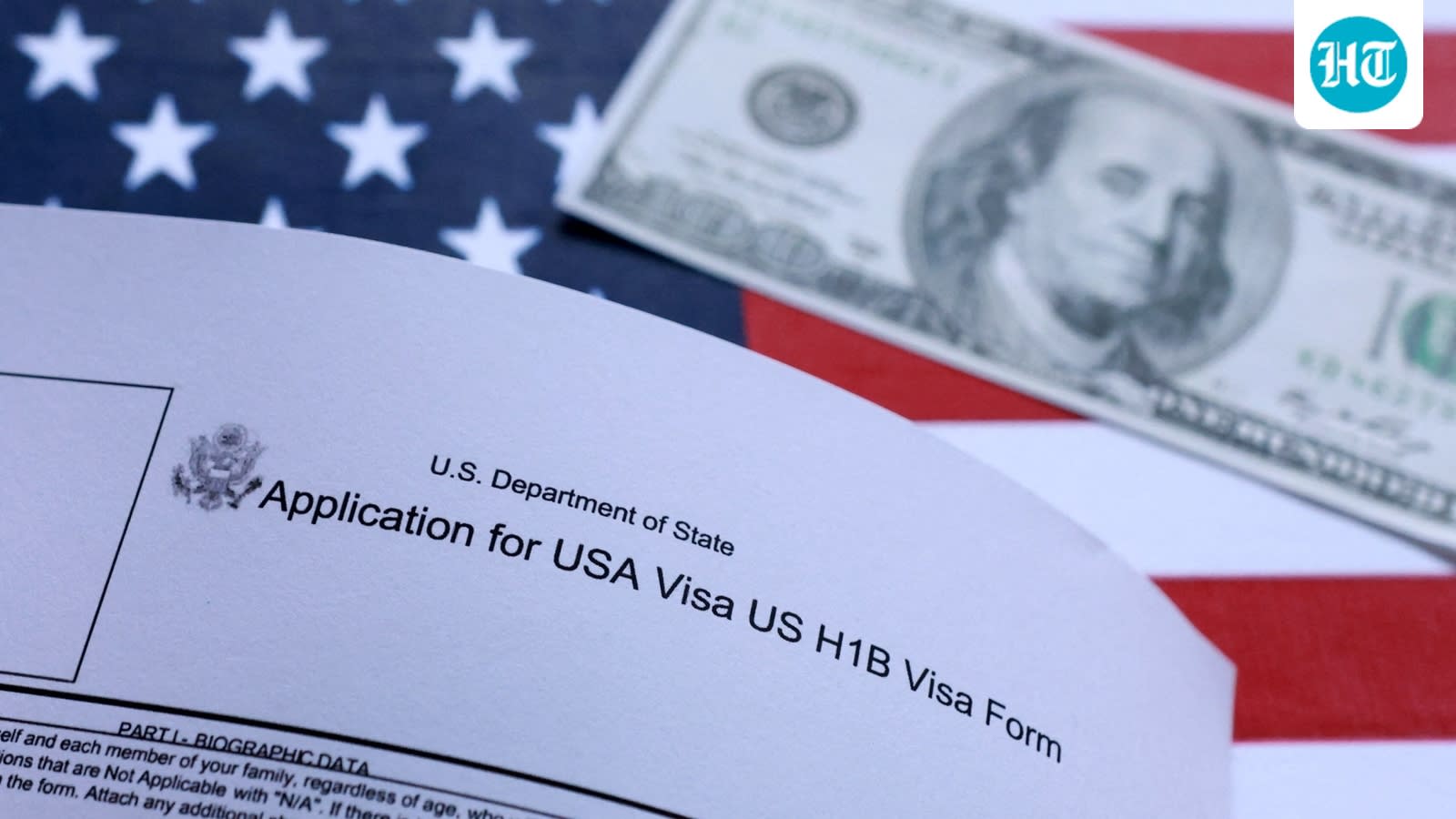
The Trump administration is intensifying scrutiny of H-1B and J-1 visa programs, citing concerns over job security and potential fraud. Officials are collaborating with the White House Fraud Task Force to address these systemic vulnerabilities.
The Trump Administration's Focus on Visa Integrity
The Trump administration has reaffirmed its commitment to tightening oversight of the H-1B and J-1 visa programs, framing the initiative as a critical measure to protect American employment and national security. By signaling a more aggressive stance toward suspected fraud, the administration aims to ensure that employment-based immigration aligns strictly with its intended economic and cultural purposes. The focus on these specific visa categories reflects a broader policy shift toward prioritizing domestic labor markets.
The Roles of H-1B and J-1 Programs
It is essential to understand the distinction between these programs to grasp the administration's scrutiny. The H-1B visa is primarily utilized by companies to hire foreign workers in specialty occupations that require theoretical or technical expertise, often in the technology sector. Conversely, the J-1 visa is designed for educational and cultural exchange programs, including research scholars and interns. The administration’s concern stems from the belief that both programs are susceptible to exploitation, which could undermine the integrity of the U.S. immigration system.
Collaborative Enforcement Efforts
Labor Inspector General Anthony D'Esposito has been at the forefront of this effort, confirming that his office is working in close coordination with Labor Secretary Keith Sonderling, President Donald Trump, and Vice President JD Vance. This collaboration highlights a centralized, top-down approach to administrative oversight. By leveraging the White House Fraud Task Force, the administration intends to create a more robust mechanism for detecting and penalizing entities that circumvent the legal requirements of these visa programs.
Strategic Implications and Scope
While the administration has made its intent clear, it is important to note that the recent statements from the Inspector General did not announce new, specific enforcement actions or immediate changes to visa restrictions. Instead, the messaging serves as a warning to potential bad actors that the government is actively monitoring for wrongdoing. This strategy of preemptive signaling is intended to deter fraud before it occurs, potentially reducing the need for more drastic, broad-based policy shifts that could impact legitimate visa holders.
Future Outlook and Economic Impact
Looking ahead, the administration’s focus suggests a trend toward increased audit frequency and stricter documentation requirements for employers sponsoring foreign talent. If the Fraud Task Force identifies widespread patterns of misuse, the government may move toward stricter regulatory frameworks or legislative reforms. For businesses and institutions that rely on these visa programs, the current environment necessitates a proactive approach to compliance and a thorough audit of existing internal immigration processes.
Concluding Summary
The Trump administration's ongoing scrutiny of H-1B and J-1 visas represents a significant chapter in the debate over the intersection of immigration policy and domestic job security. By emphasizing transparency and accountability, officials are attempting to calibrate the system to better suit their administrative priorities. While no immediate policy changes have been enacted, the concerted effort by the Department of Labor and the White House indicates that visa integrity will remain a high-priority issue in the administration’s policy agenda.
Verification Required?