Dispute, domicile, and ‘dog’: What’s behind fresh student protests in Bihar
Source Entity
Himanshu Harsh
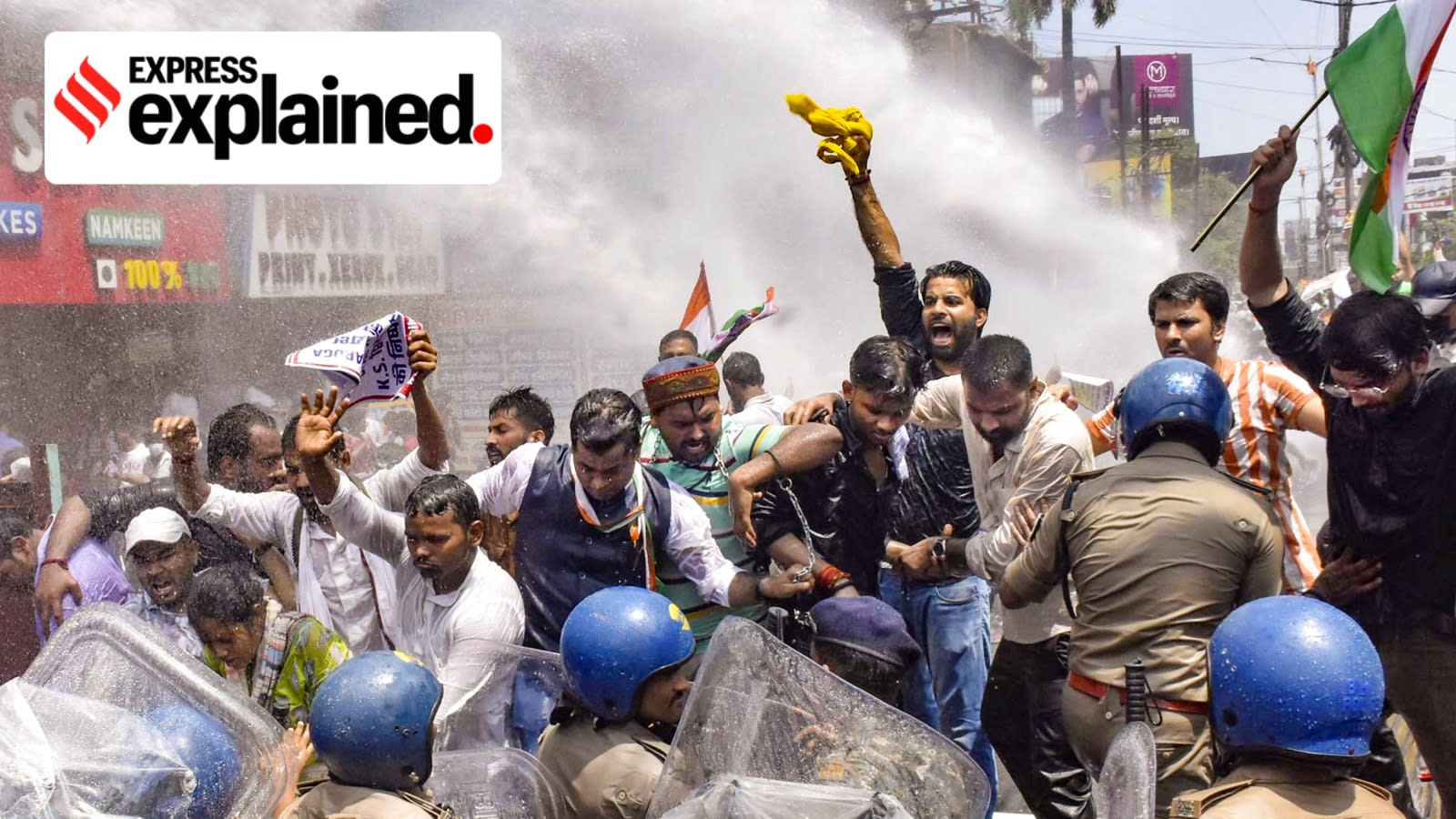
Protesting students in Patna clashed with police while demanding reforms to the Teacher Recruitment Examination (TRE-4). Despite government claims that grievances have been addressed, demonstrators continue to push for structural changes to the hiring process.
The Roots of Unrest: Examining Bihar's Student Protests
On Tuesday, August 25, Patna witnessed a significant escalation in student protests as demonstrators marched from Gandhi Maidan toward the residence of Deputy Chief Minister Samrat Choudhary. The march, which aimed to challenge the current framework of the fourth Teacher Recruitment Examination (TRE-4), resulted in clashes at Dak Bungalow Chowk, where police utilized water cannons to disperse the crowd. This incident marks a volatile turn in the ongoing agitation at Gardanibagh, highlighting the deep-seated frustration among aspirants regarding the transparency and structure of state government recruitment.
Core Demands and Structural Grievances
The students' agitation is centered on specific technical and procedural demands regarding the BPSC-conducted examinations. Primarily, they are calling for the implementation of a single-stage PT-mains examination structure and the removal of negative marking. These demands reflect a broader anxiety regarding the competitiveness and accessibility of government jobs in Bihar. By seeking to streamline the testing process, students argue they are pushing for a more equitable system that does not unnecessarily penalize candidates or create insurmountable hurdles in an already delayed recruitment timeline.
Government Response vs. Student Perception
While the Bihar government, represented by the JD(U) and local leadership, maintains that the primary concerns of the students have been addressed, the reality on the ground tells a different story. The government has attempted to mitigate tensions by launching monthly student support camps and asserting that the recruitment process is being handled with sincerity. However, the rhetorical question posed by students—'Do you need 1,800 years?'—underscores a profound lack of trust in the efficacy of these administrative measures and the speed at which recruitment cycles are completed.
Political Implications and Escalation
The protest gained further political weight as opposition figures, notably Tejashwi Yadav, engaged with the issue by writing to the state government. This transition of the student movement into the political discourse suggests that the agitation is no longer merely an administrative dispute but a significant political challenge for the ruling coalition. As students breached barricades and staged marches towards the Raj Bhavan, the intensity of the protests serves as a barometer for youth dissatisfaction with employment opportunities and administrative delays within the state.
Future Trends in Bihar’s Recruitment Landscape
Looking ahead, the tension in Patna signals an urgent need for the state administration to bridge the communication gap with the student body. The recurring nature of these protests suggests that unless the BPSC and the state government provide concrete, transparent, and immediate reforms to the TRE-4 process, the cycle of agitation is likely to continue. The government's challenge lies in balancing the administrative requirements of a massive public sector recruitment drive with the legitimate, and increasingly vocal, demands of the thousands of youths whose professional futures remain in limbo.
Multiple Citing Sources