CBSE OSM glitches: SC closes plea, says revaluation will open ‘Pandora’s Box’
Source Entity
Latest News: Todays Latest News Headlines from India & World | Hindustan Times | Hindustan Times
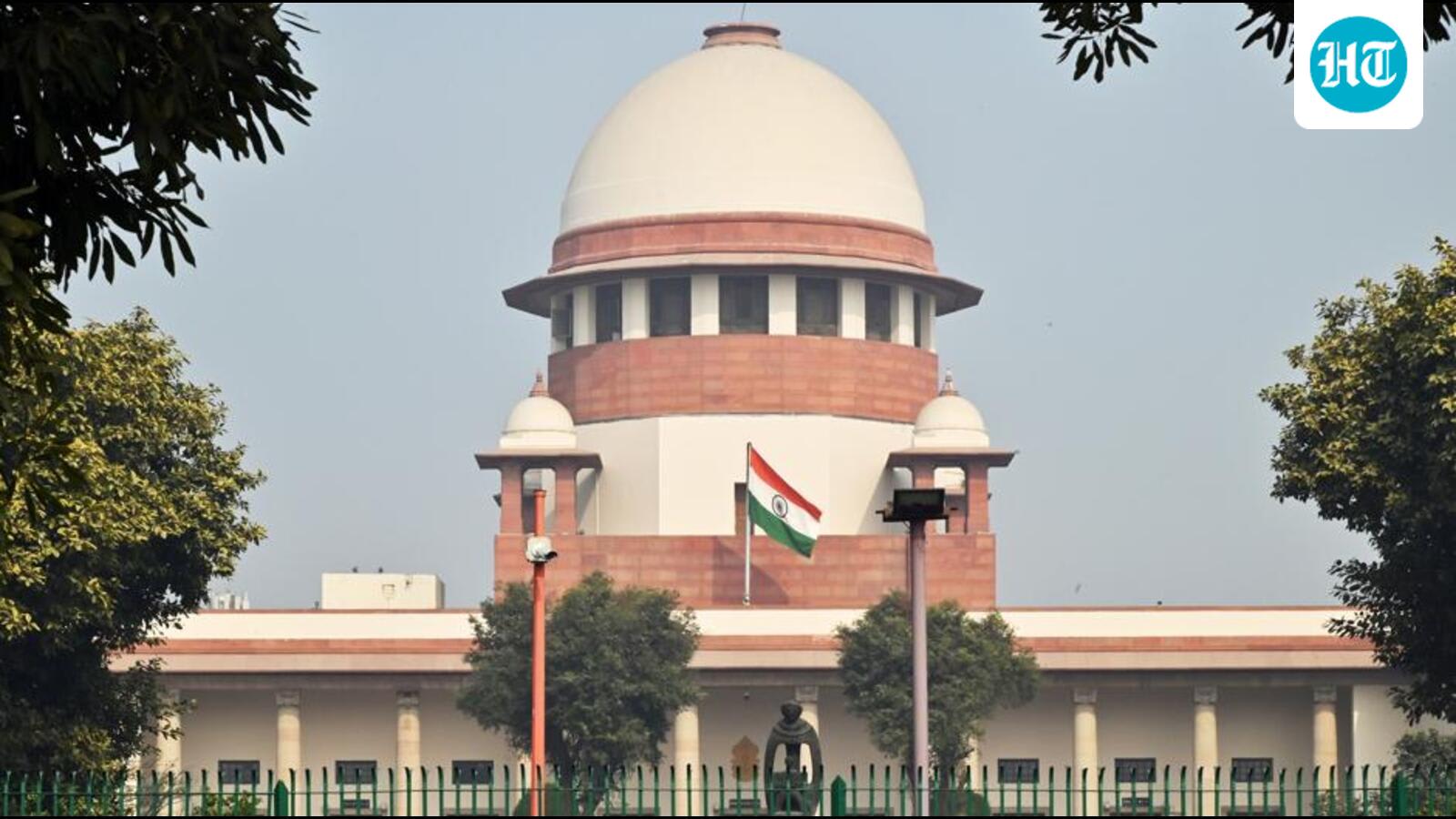
The Supreme Court has refused to order the reopening of the CBSE's On-Screen Marking (OSM) re-evaluation portal for Class 12 students. The bench emphasized that reopening the window would create a 'Pandora's Box' of endless claims and administrative chaos.
Supreme Court Rejects Plea to Reopen CBSE OSM Evaluation Window
The Legal Standoff
The Supreme Court of India recently dismissed a petition seeking to reopen the re-evaluation window for the Central Board of Secondary Education (CBSE) Class 12 examinations. The petitioner, represented by lawyer Rakesh Binjola, argued that glitches within the On-Screen Marking (OSM) system resulted in significant discrepancies in the results of tens of thousands of students. The plea specifically requested a new regulatory framework for the OSM system and the formation of an oversight panel to ensure future transparency.
The Court’s Rationale: Avoiding a 'Pandora's Box'
A bench led by Chief Justice of India Surya Kant, alongside Justices Joymalya Bagchi and V. Mohana, firmly rejected the request. The Court observed that the CBSE had already provided a specified window for all candidates to submit grievances or request re-evaluation. By refusing to extend this timeline, the judiciary aimed to prevent a 'Pandora’s Box'—a scenario where constant revisions to merit lists could destabilize the entire examination process and create endless litigation from lakhs of other candidates.
Understanding the OSM System
The CBSE’s OSM system represents a shift from traditional paper-based grading to a digital assessment model. Under this framework, physical answer sheets are scanned, and teachers grade the responses on computer screens. While this transition is intended to streamline the evaluation process and reduce human error, the petitioner’s claims highlight the growing pains and technical challenges inherent in digitizing large-scale national assessments.
The Concept of Procedural Finality
The Court’s commentary, specifically the remark that "if you don't use the bus, you miss the bus," underscores the importance of procedural finality in national examinations. In a system as vast as the CBSE, which handles millions of students annually, maintaining a strict adherence to deadlines is essential to ensure that academic calendars remain on track. Allowing individual petitions for re-evaluation outside of established windows would likely cause systemic delays in university admissions and entrance exam schedules.
Broader Implications for Educational Policy
This ruling reinforces the judiciary's tendency to respect the administrative autonomy of educational boards unless there is clear evidence of systemic malice. While the petitioner sought a new regulatory framework, the Court’s refusal suggests that existing grievance redressal mechanisms are considered sufficient. For future students, this case serves as a reminder of the critical importance of utilizing official channels within designated timeframes, as the courts are increasingly reluctant to intervene in the logistical operations of large-scale testing bodies.
Multiple Citing Sources
Verification Required?