Burnham refuses to rule out tax rises in autumn Budget
Source Entity
BBC News
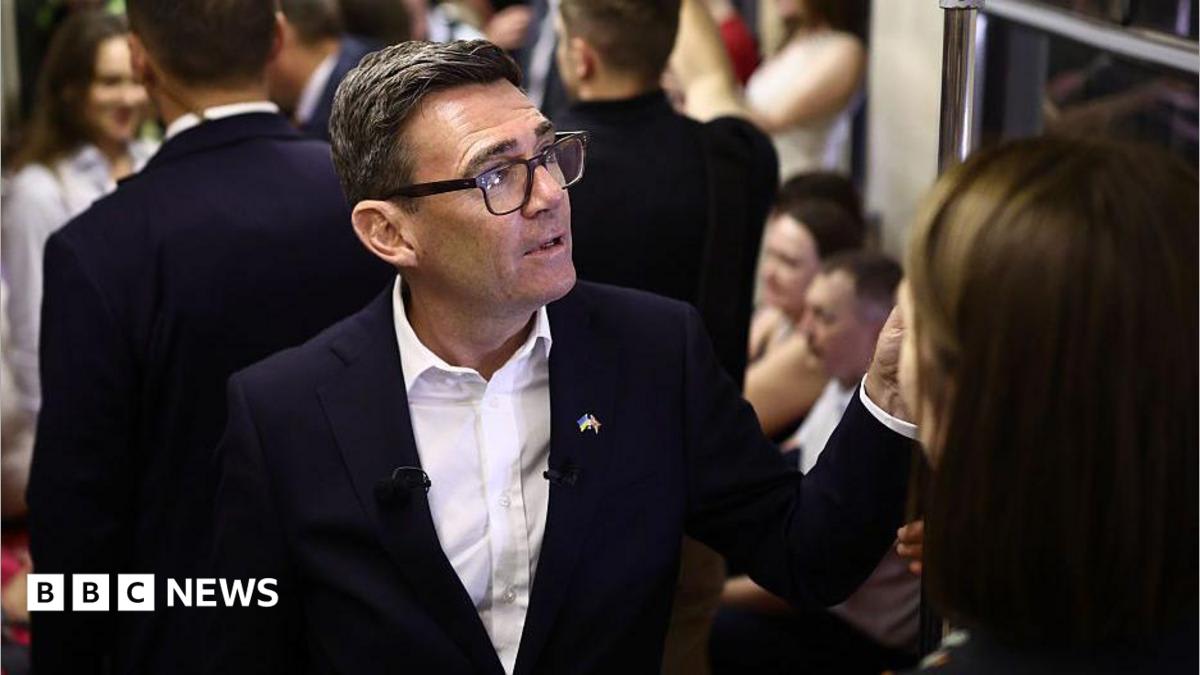
Prime Minister Andy Burnham has signaled potential tax increases in the upcoming October Budget, citing challenging public finances. Despite earlier cost-of-living pledges, the government faces significant constraints in funding major reforms.
The Fiscal Tightrope: Burnham’s Budgetary Dilemma
Prime Minister Andy Burnham’s recent refusal to rule out tax increases ahead of the October 28 Budget marks a pivotal shift in his administration's economic narrative. Having assumed office in July with a platform centered on easing the cost-of-living crisis, Burnham now faces the harsh reality of constrained public finances. By acknowledging that he 'won’t be unrealistic' about the current economic landscape, the Prime Minister is effectively preparing the public for a departure from the optimistic rhetoric of his campaign trail.
The Constraints of Inheritance
Experts have consistently warned that Burnham and Chancellor John Healey possess minimal 'room to manoeuvre' as they approach their first major fiscal event. This limitation is not merely a political choice but a structural necessity dictated by existing debt levels and the fiscal legacy inherited by the new administration. The tension between the government's desire to uphold its cost-of-living pledges—such as the commitment to cap bus fares—and the need for fiscal responsibility creates a precarious environment for policy implementation.
Balancing Pledges and Reality
Burnham’s defense of his current spending commitments as 'funded' suggests a government attempting to ring-fence its core promises while seeking new revenue streams. However, the ambiguity surrounding the funding for long-term structural needs, specifically social care reform, remains a significant point of contention. Without a clear path to sustainable funding, the government risks a perception gap between its campaign promises and its governing actions.
International Context and Domestic Policy
Interestingly, these domestic fiscal discussions are unfolding against the backdrop of Burnham’s international engagements, including his inaugural visit to Ukraine. The juxtaposition of high-level geopolitical commitments and the granular, often painful, details of domestic budget balancing highlights the multifaceted pressures currently facing the Prime Minister. His insistence on a 'careful approach' to the economy is clearly designed to reassure markets while maintaining social stability.
Future Implications and Fiscal Trends
Looking ahead, the October 28 Budget will serve as the true litmus test for the Burnham-Healey partnership. If the government opts for tax rises, it will need to frame them as necessary investments in public infrastructure and essential services to maintain public support. Conversely, failing to address the fiscal gap could lead to further economic instability. The coming months will likely be defined by a delicate dance of fiscal consolidation, where every policy announcement will be scrutinized for its impact on both the national deficit and the household budgets of the electorate.