Tamil Nadu Minister Claims He Bribed To Get Project Approval In DMK Rule
Source Entity
NDTV News Search Records Found 1000
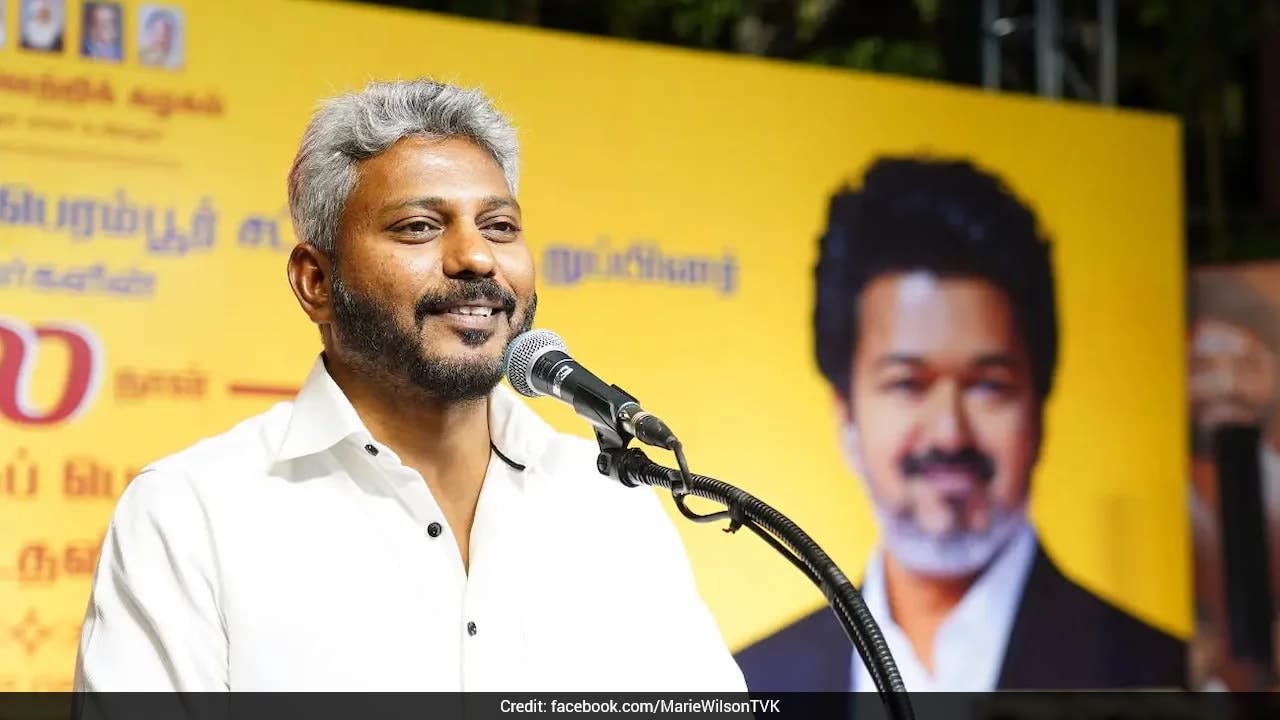
A Tamil Nadu minister has publicly alleged witnessing corruption within the state's education department during the DMK's tenure. The claim involves bribery to secure project approvals, sparking significant political debate regarding administrative integrity.
Allegations of Systemic Corruption in Tamil Nadu
Recent statements made by a Tamil Nadu minister have sent ripples through the state's political landscape, as he publicly claimed to have been a direct witness to corruption within the education department during the tenure of the Dravida Munnetra Kazhagam (DMK). The minister’s assertion that he personally observed bribery being utilized to secure project approvals suggests a deep-seated issue regarding the transparency of administrative processes during the period in question.
The Mechanics of Bribery in Bureaucracy
The core of the allegation centers on the alleged practice of paying bribes to facilitate project approvals. In the context of government infrastructure and educational policy, project approvals often require navigating complex bureaucratic layers. When individuals or entities resort to bribery to bypass standard regulatory scrutiny or to expedite administrative hurdles, it undermines the rule of law and risks the implementation of substandard projects that do not meet public interest benchmarks.
Political Context and Accountability
The DMK, a major political force in Tamil Nadu, now faces the challenge of addressing these allegations of institutionalized graft. Claims of corruption originating from within government circles are particularly damaging, as they imply that the malfeasance was not merely an isolated incident but potentially a systemic issue. This narrative puts pressure on oversight bodies to investigate the validity of these claims and determine if the alleged bribery was a common practice during the specified tenure.
Broader Implications for Governance
These revelations highlight the ongoing struggle against corruption in state-level governance. When project approvals are contingent upon financial incentives rather than merit or compliance, the quality of public services—specifically in the education sector—suffers directly. Historical patterns of corruption in public works often lead to long-term fiscal deficits and public distrust, necessitating a robust framework for auditing and transparency to ensure that taxpayer money is utilized effectively.
Future Trends and Judicial Scrutiny
Looking ahead, these allegations will likely serve as a catalyst for increased calls for judicial inquiries or independent audits into the education department’s past project approvals. As political opponents leverage these statements, the discourse in Tamil Nadu is expected to shift toward demand for higher accountability. The long-term impact on the DMK’s reputation will depend heavily on the evidence presented and the subsequent response from law enforcement and anti-corruption bureaus.
Conclusion
In summary, the minister’s claim provides a rare and controversial window into the alleged internal workings of the education department under previous leadership. By bringing these issues to the public domain, the minister has initiated a critical conversation about the ethics of project management and the necessity of preventing bribery in administrative workflows. Whether these claims lead to formal investigations or remain a point of political contention, they underscore the vital need for integrity in state governance.
Verification Required?