Supreme Court shields journalist Abhishek Upadhyay from coercive action
Source Entity
India Latest News: Top National Headlines Today & Breaking News | The Hindu
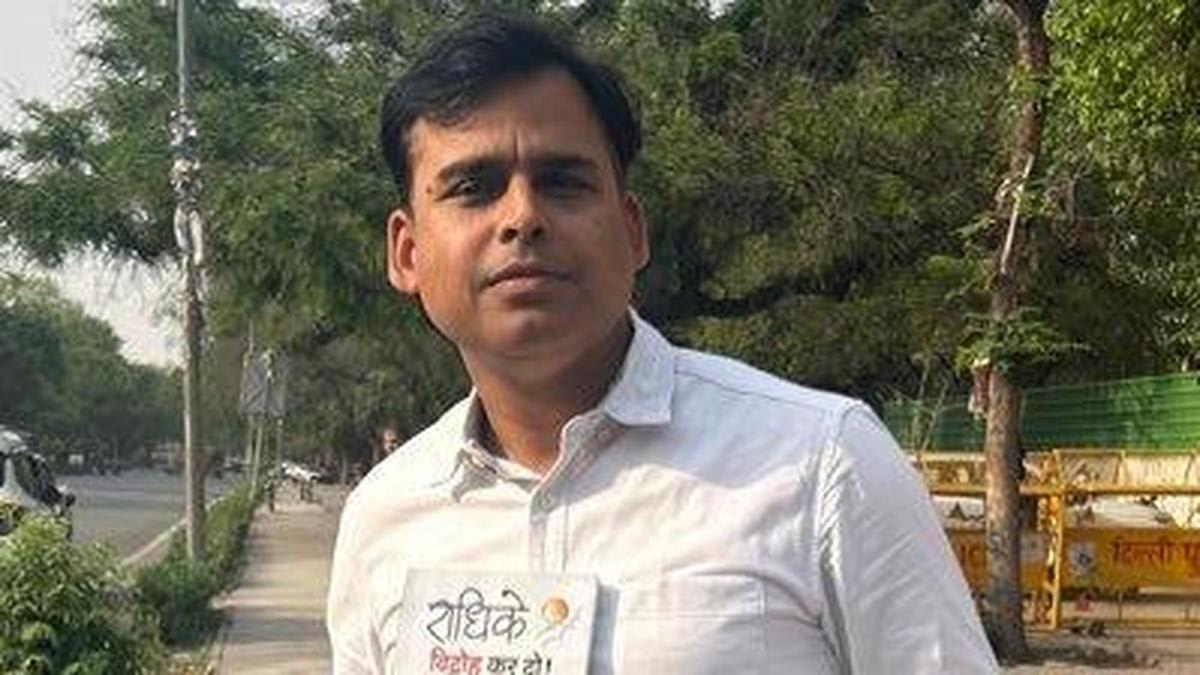
The Supreme Court of India has granted protection from arrest to journalist Abhishek Upadhyay regarding an alleged road rage case. The court directed authorities to provide him with FIR copies and CCTV footage amid claims that the case is a retaliatory move for his reporting on Ram Mandir donations.
Supreme Court Grants Relief to Journalist Abhishek Upadhyay
In a significant development for press freedom and judicial oversight, the Supreme Court of India, led by Chief Justice Surya Kant, has intervened to protect journalist Abhishek Upadhyay from coercive action by the Uttar Pradesh Police. Upadhyay, who gained prominence for his investigative reporting into alleged financial irregularities regarding donations at the Ram Mandir in Ayodhya, faced an FIR lodged by the Ghaziabad Police. The petitioner alleged that this case, framed as a road rage incident, was a concocted attempt to harass him for his journalistic endeavors.
The Legal Battle and Judicial Intervention
The Supreme Court’s decision to grant protection from arrest underscores the judiciary's commitment to ensuring that legal processes are not weaponized against members of the press. During the proceedings, the Bench, which also included Justices Joymalya Bagchi and V. Mohana, directed the police to supply the petitioner with a copy of the FIR and relevant CCTV footage. This directive is crucial, as it provides the accused with the necessary material to mount a legal defense against allegations that reportedly include serious charges under the Scheduled Castes and the Scheduled Tribes (Prevention of Atrocities) Act.
Allegations of Retaliatory Litigation
At the heart of this conflict is the tension between investigative journalism and state authority. Upadhyay’s counsel, Senior Advocate Pradeep Rai, contended that the criminal charges were a direct response to his client’s reports on the management of temple donations. By labeling these charges as a form of harassment, the petitioner has highlighted the risks faced by independent voices when they scrutinize the financial dealings of sensitive or prominent public institutions. The Court’s willingness to grant an early hearing reflects the urgency often required when personal liberty is perceived to be at stake due to state action.
Broader Implications for Press Freedom
This case serves as a broader reminder of the ongoing discourse surrounding the protection of journalists in India. The use of FIRs to intimidate or silence investigative reporting has become a recurring point of contention in the legal sphere. By ordering that no coercive action be taken—not just in the existing FIR but potentially in future cases—the Supreme Court has set a protective precedent. This move acts as a safeguard, ensuring that journalists are not easily detained while they are in the process of contesting the validity of the charges brought against them.
Future Trends in Media-State Relations
The intervention of the Supreme Court in this matter suggests a trend toward stricter judicial scrutiny of state-led criminal investigations involving journalists. As the digital landscape continues to evolve, with independent reporters and YouTubers playing an increasingly vital role in public discourse, the courts are likely to face more petitions involving allegations of retaliatory state action. The outcome of the ongoing proceedings in the Ghaziabad case will be closely watched, as it may serve as a benchmark for how similar cases of alleged harassment are handled in the future, ultimately shaping the boundaries between law enforcement duties and the fundamental right to freedom of speech.
Multiple Citing Sources
Verification Required?