Netanyahu claims Iran tried to kill his son as Israeli poll pressure mounts
Source Entity
Latest News: Todays Latest News Headlines from India & World | Hindustan Times | Hindustan Times
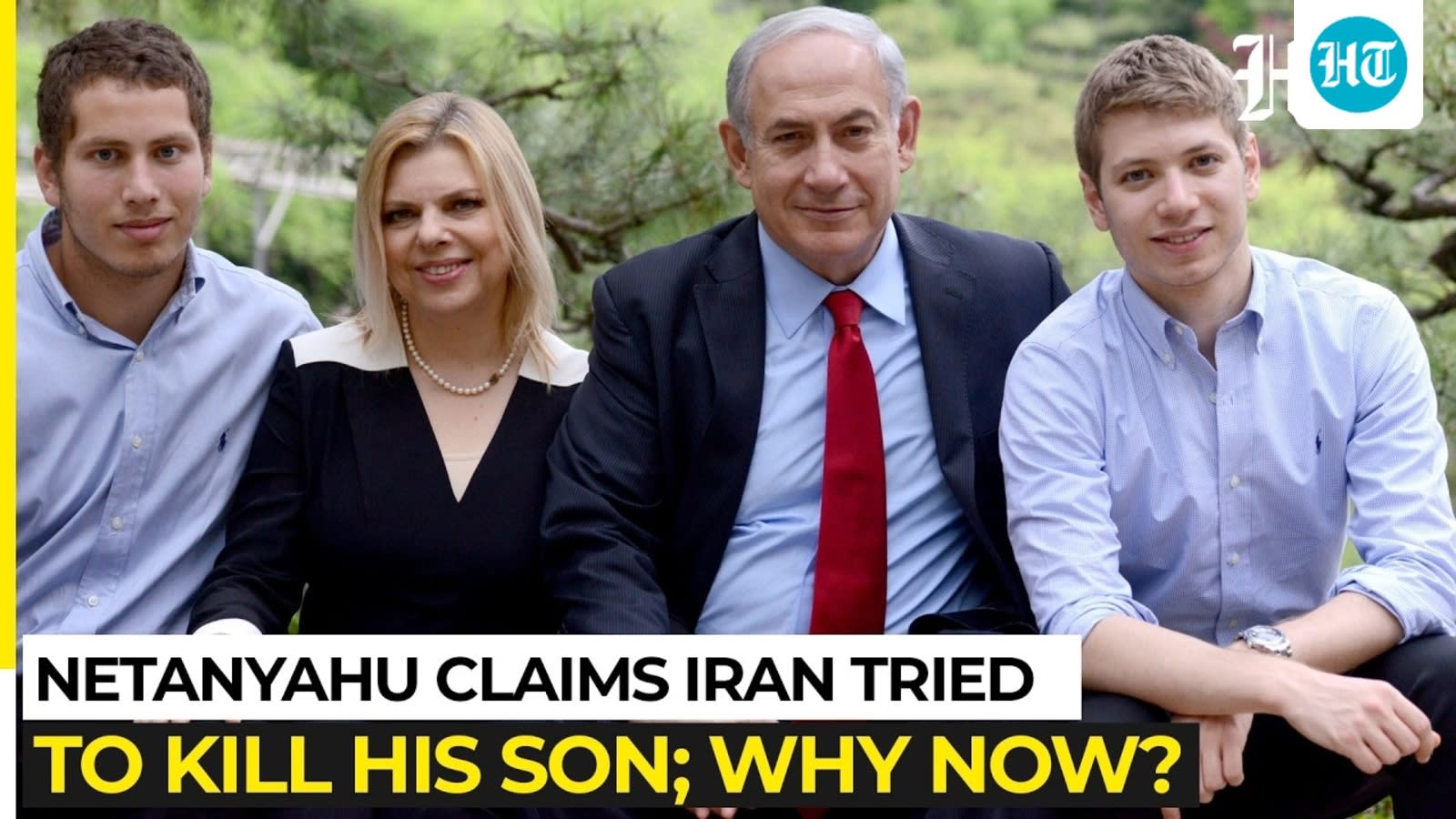
Israeli Prime Minister Benjamin Netanyahu has alleged that Iran attempted to assassinate one of his sons to justify continued family security details. The claim, made ahead of upcoming general elections, has faced scrutiny due to a lack of specific evidence and its timing amidst declining poll numbers.
Netanyahu’s Assassination Claim: Security or Strategy?
Israeli Prime Minister Benjamin Netanyahu has sparked significant controversy by publicly claiming that Iran attempted to "murder" one of his sons. This assertion, delivered during a telephone interview with Channel 14, was framed by the Prime Minister as a justification for the continued state-funded security protection afforded to his family members. By labeling these security measures as "not a luxury," Netanyahu is attempting to shift the narrative surrounding the high costs and logistical requirements of guarding his household.
Lack of Transparency and Verification
Despite the gravity of the accusation, the Prime Minister has failed to provide substantive details regarding the alleged plot. He did not specify which of his two sons, Yair or Avner, was the target, nor did he provide a timeline or the methodology behind the identified threat. This lack of transparency has led to skepticism, particularly because reports indicate that Israeli security agencies had been aware of these intelligence assessments for months prior to Netanyahu’s public disclosure. The delayed reveal suggests a strategic intent rather than an urgent security warning.
The Political Backdrop: Elections and Polls
The timing of this disclosure is critical, as it coincides with a period of significant political pressure for the Prime Minister. With a general election scheduled for October 27, Netanyahu’s coalition is reportedly trailing in public opinion polls. By invoking an Iranian threat, the Prime Minister may be attempting to remind the Israeli electorate of the persistent existential threats the country faces, a traditional political strategy often used to consolidate support around a strong national security figurehead.
Contextualizing Security Debates
Netanyahu’s comments were made in direct response to reports that security agencies had declined to provide similar protective details to a political rival. By framing his own family's security needs as a matter of Iranian-targeted assassination attempts, he creates a stark contrast between his personal security requirements and those of his political opponents. This maneuver serves to deflect criticisms regarding the allocation of state resources during a period of fiscal and political scrutiny.
Broader Implications for Israeli Intelligence
The intersection of intelligence operations and domestic politics in Israel is a sensitive terrain. When a sitting Prime Minister utilizes classified or semi-classified security intelligence to address political inquiries, it raises questions about the politicization of the nation’s security apparatus. The fact that the disclosure was made on a network known for its favorable coverage of the government further highlights the partisan nature of the announcement.
Future Trends and Political Fallout
As the election date approaches, the Israeli public is likely to demand more clarity regarding these claims. If the Prime Minister cannot provide verifiable evidence, the incident may be viewed as a desperate political gambit, potentially alienating undecided voters. Conversely, if the threat is substantiated, it underscores the volatile nature of the regional tensions between Israel and Iran, which continue to dominate the domestic political discourse. The long-term impact on the credibility of the Prime Minister’s office remains to be seen as the election cycle intensifies.
Verification Required?