Numbers to hospitals empanelled: CAG flags breaches in TMC government insurance scheme
Source Entity
Atri Mitra
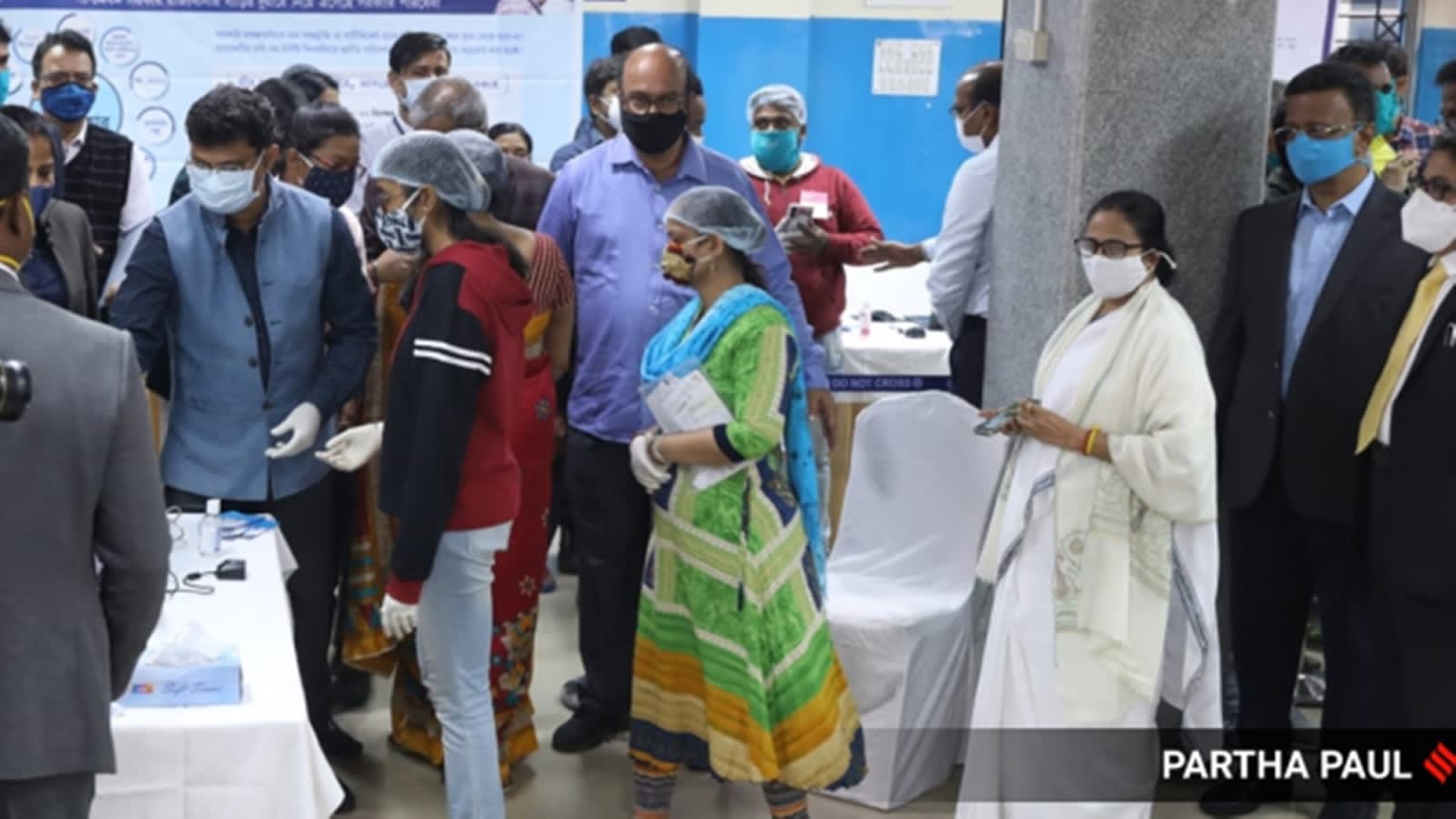
A recent CAG report highlights significant irregularities in West Bengal's Swasthya Sathi scheme, citing ineligible beneficiaries and inflated enrollment figures. The findings emerge as the first set of audit reports tabled in the Assembly in four years following a change in state governance.
Audit Findings Expose Flaws in Swasthya Sathi Scheme
Recent reports from the Comptroller and Auditor General (CAG) have shed light on systemic irregularities within the Swasthya Sathi health insurance program in West Bengal. The audit findings suggest that the scheme, which was the flagship healthcare initiative of the former Trinamool Congress (TMC) administration, suffered from significant oversight gaps, specifically regarding the identification and enrollment of beneficiaries.
The Discrepancy in Beneficiary Data
One of the most alarming revelations in the CAG report is the claim that enrollment under the Swasthya Sathi scheme was approximately 10 percent higher than the data recorded for the Public Distribution System (PDS). Given that the PDS is typically the benchmark for identifying economically vulnerable households, this statistical anomaly suggests that ineligible individuals may have improperly accessed state-funded health benefits. Such discrepancies raise critical questions about the verification protocols implemented during the enrollment phase.
Historical Context and Political Transition
The release of these audit reports marks a significant moment in West Bengal’s legislative history, as these are the first CAG findings tabled in the Assembly in four years. The timing, coinciding with the BJP replacing the TMC in power, underscores the shift in administrative transparency and legislative scrutiny. The tabling of twenty-eight separate reports suggests a rigorous effort by the new government to audit the fiscal legacy of the previous administration, potentially signaling a broader trend of increased accountability for state-run welfare programs.
The Structure of the Swasthya Sathi Scheme
Introduced by the Mamata Banerjee-led government in February 2017, Swasthya Sathi was envisioned as a comprehensive group health insurance model. The scheme offered families coverage of up to Rs 5 lakh per year, with the state government bearing the entire premium cost. By removing caps on family size, the government aimed to provide universal coverage. However, the current audit suggests that the ambition of the policy may have outpaced the administrative capacity to manage it, leading to the identified failures in beneficiary vetting.
Broader Implications and Future Trends
The findings regarding ineligible beneficiaries pose a threat to the long-term sustainability of public health funding in West Bengal. If fiscal resources are diverted to individuals who do not meet the criteria, the program’s ability to serve the intended low-income populations is compromised. Looking forward, the administration will likely need to overhaul its digital verification systems and cross-reference biometric or PDS data to prevent similar leakage. This case serves as a cautionary tale for state governments regarding the necessity of robust audit trails in large-scale social welfare initiatives.