Vijay Writes To PM Modi, Objects To Jal Shakti Ministry's Reply On Mekedatu
Source Entity
NDTV News Search Records Found 1000
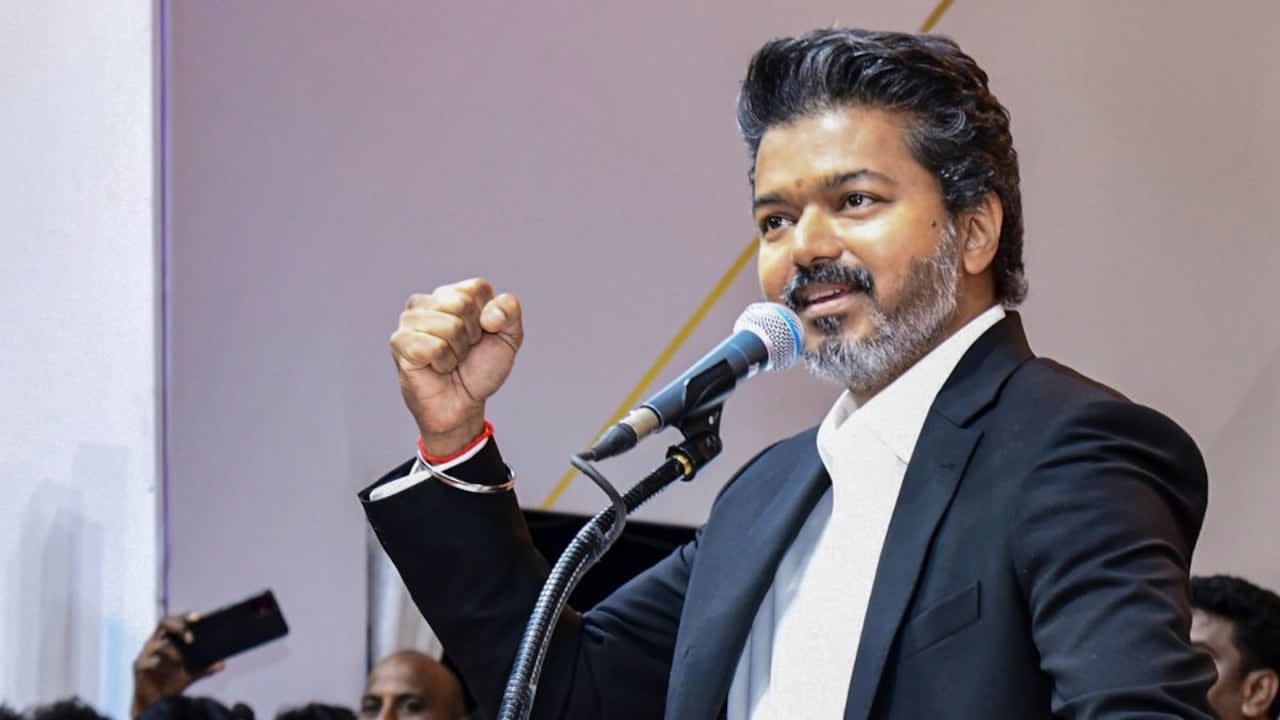
The Cauvery Water Regulation Committee has ordered Karnataka to release water to Tamil Nadu amid drought concerns. Concurrently, Tamil Nadu CM Vijay has challenged the Union Ministry’s stance on the Mekedatu project, asserting that lower riparian consent is essential.
The Cauvery Crisis: Water Scarcity and Political Friction
The CWRC Directive and Karnataka's Response
The Cauvery Water Regulation Committee (CWRC) has issued a directive mandating that Karnataka release 4 tmcft of water to Tamil Nadu, calculated at a rate of 3,500 cusecs per day over a 15-day period. This decision, finalized on July 28, 2026, follows a review of reservoir storage levels and the looming threat of worsening El Nino conditions. For Karnataka, the timing is particularly precarious; Water Resources Minister Ramalinga Reddy has voiced strong opposition, citing a severe drought within the state that complicates compliance. The state is now evaluating legal avenues, specifically the possibility of appealing this directive before the Cauvery Water Management Authority (CWMA).
Historical Context of the Riparian Conflict
The dispute over the Cauvery River is a long-standing inter-state conflict that has periodically strained relations between Karnataka and Tamil Nadu. The reliance on the river for agricultural irrigation and drinking water makes every release order a high-stakes political issue. The current directive highlights the delicate balancing act required of federal bodies like the CWRC, which must navigate the competing needs of riparian states while managing climate-driven variables such as reduced rainfall and reservoir depletion.
The Mekedatu Project Controversy
Simultaneously, the political landscape is further complicated by the Mekedatu project. Tamil Nadu Chief Minister Vijay has formally written to Prime Minister Narendra Modi, challenging a recent response from the Union Jal Shakti Ministry. The Ministry had suggested that the 2018 Supreme Court judgment does not explicitly require Karnataka to secure the consent of lower riparian states before constructing structures across the Cauvery. CM Vijay’s objection underscores the fundamental disagreement over legal interpretations of river water rights and the authority of the central government in mediating these disputes.
Legal and Constitutional Implications
The core of the Mekedatu dispute lies in the interpretation of the 2018 Supreme Court ruling. While the Ministry argues for a lack of an express stipulation regarding consent, Tamil Nadu maintains that unilateral construction is an infringement on its riparian rights. This legal tug-of-war illustrates the complexity of managing shared water resources in a federal system, where state autonomy often clashes with the necessity of integrated water resource management.
Future Trends and Outlook
Looking ahead, the combination of environmental stressors like El Nino and ongoing infrastructural projects like Mekedatu suggests that water-sharing disputes will remain a persistent feature of regional politics. As Karnataka prepares for potential litigation and Tamil Nadu continues to push for central intervention, the role of the CWMA will be critical in preventing further escalation. The resolution of these issues will likely depend on a combination of judicial clarity, scientific data regarding water availability, and the ability of the central government to facilitate cooperative federalism between the two states.
Multiple Citing Sources
Verification Required?