'Go that way': Illegal migrants say Moroccan authorities directed them towards Ceuta
Source Entity
TRISHA MAHAJAN
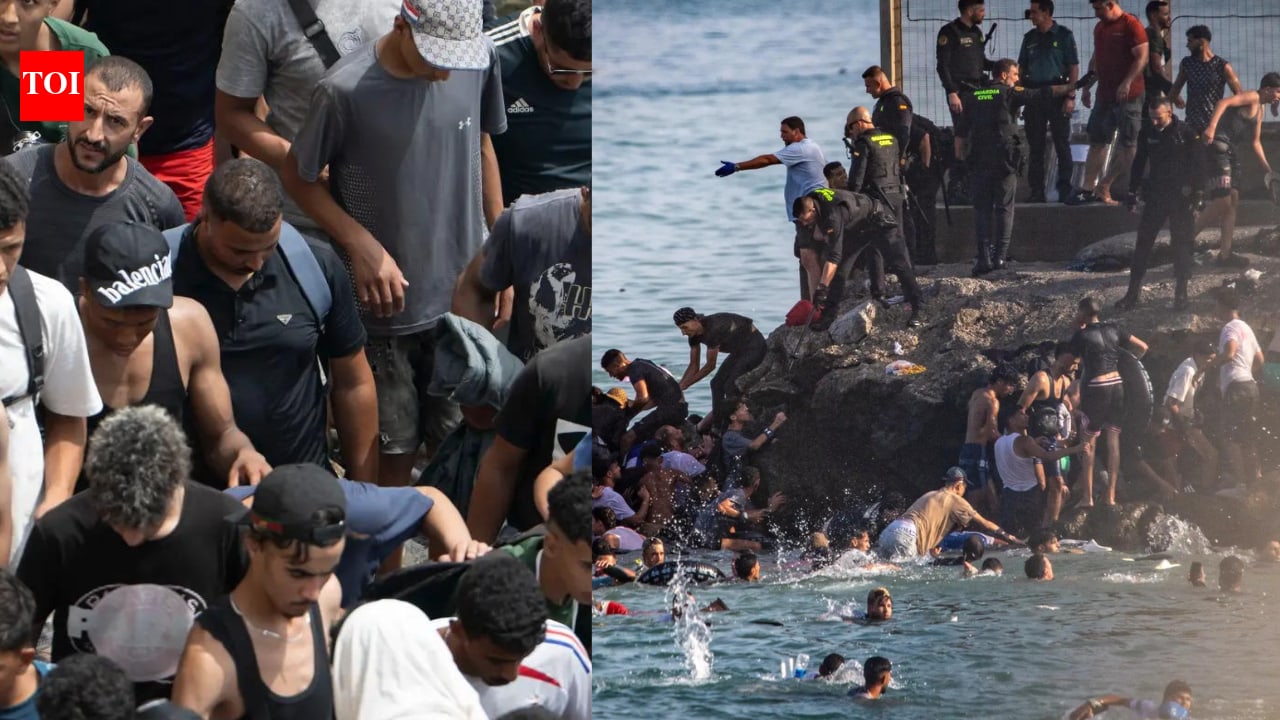
A massive, unprecedented surge of roughly 60,000 migrants crossed into the Spanish enclave of Ceuta from Morocco, leading to dozens of deaths. The crisis has triggered high-level political tensions between Spain and Morocco, prompting reinforcements and mass returns.
The Ceuta Crisis: An Unprecedented Migration Surge
The recent events in the Spanish North African enclave of Ceuta represent an unprecedented humanitarian and geopolitical crisis. With an estimated 60,000 migrants crossing from Morocco into the territory—a location home to only 83,000 residents—the strain on local infrastructure and security has been overwhelming. The sheer scale of this movement, characterized by individuals swimming, using inflatables, or breaching border fences, has fundamentally challenged the stability of this small European territory.
The Human Cost and Operational Challenges
Tragically, the journey across the border has proven fatal for many. Reports confirm that at least 67 individuals have lost their lives during the crossing. The desperation driving these migrants, combined with the hazardous methods used to reach the enclave, highlights the extreme risks taken by those seeking entry into Europe. While thousands have since returned to Morocco voluntarily, the initial influx placed an immediate, crushing demand on Ceuta’s resources, prompting local leader Juan Jesús Vivas to issue an urgent plea for intervention from the Spanish central government.
Geopolitical Tensions and Allegations of Complicity
At the heart of this crisis lie disturbing reports from migrants themselves, who claim that Moroccan authorities not only permitted the movement but actively directed them toward the border. Some migrants cited encouragement from official sources and social media campaigns as the catalyst for their journey. These allegations have transformed the event from a standard migration surge into a complex diplomatic dispute, with Spanish Prime Minister Pedro Sánchez characterizing the influx as an "attack" on Spain's borders and sovereignty.
Policy Responses and Border Security
In response to the chaos, the Spanish government has moved to reinforce the border security infrastructure surrounding Ceuta. Prime Minister Sánchez has been resolute, stating that all individuals who entered illegally would be returned to Morocco as quickly as possible. This hardline stance reflects the broader European Union struggle to manage migration flows in North Africa while maintaining diplomatic relations with Morocco, which serves as a critical partner in border management.
Future Implications for EU-Morocco Relations
This event has reignited intense debates regarding migration policy across the European Union. The Ceuta incident demonstrates how quickly localized border issues can escalate into international crises that threaten the delicate balance of power in the Mediterranean. As Spain moves to stabilize the region, the long-term fallout will likely involve a reassessment of how the EU manages its southern frontiers, specifically regarding the cooperation—or lack thereof—from regional neighbors in preventing mass, unauthorized crossings.
Conclusion
The crisis in Ceuta serves as a stark reminder of the vulnerability of Europe's land borders in Africa. While the majority of the 60,000 arrivals have either returned or are being processed for return, the event leaves behind a legacy of diplomatic friction and a profound human tragedy. Moving forward, the focus will remain on whether Spain and the EU can secure the border against similar future surges while addressing the underlying regional tensions that allowed such a massive breach to occur.
Multiple Citing Sources