90g detergent pouch turns out to be 70g, consumer wins Rs 50,000 compensation
Source Entity
Vineet Upadhyay
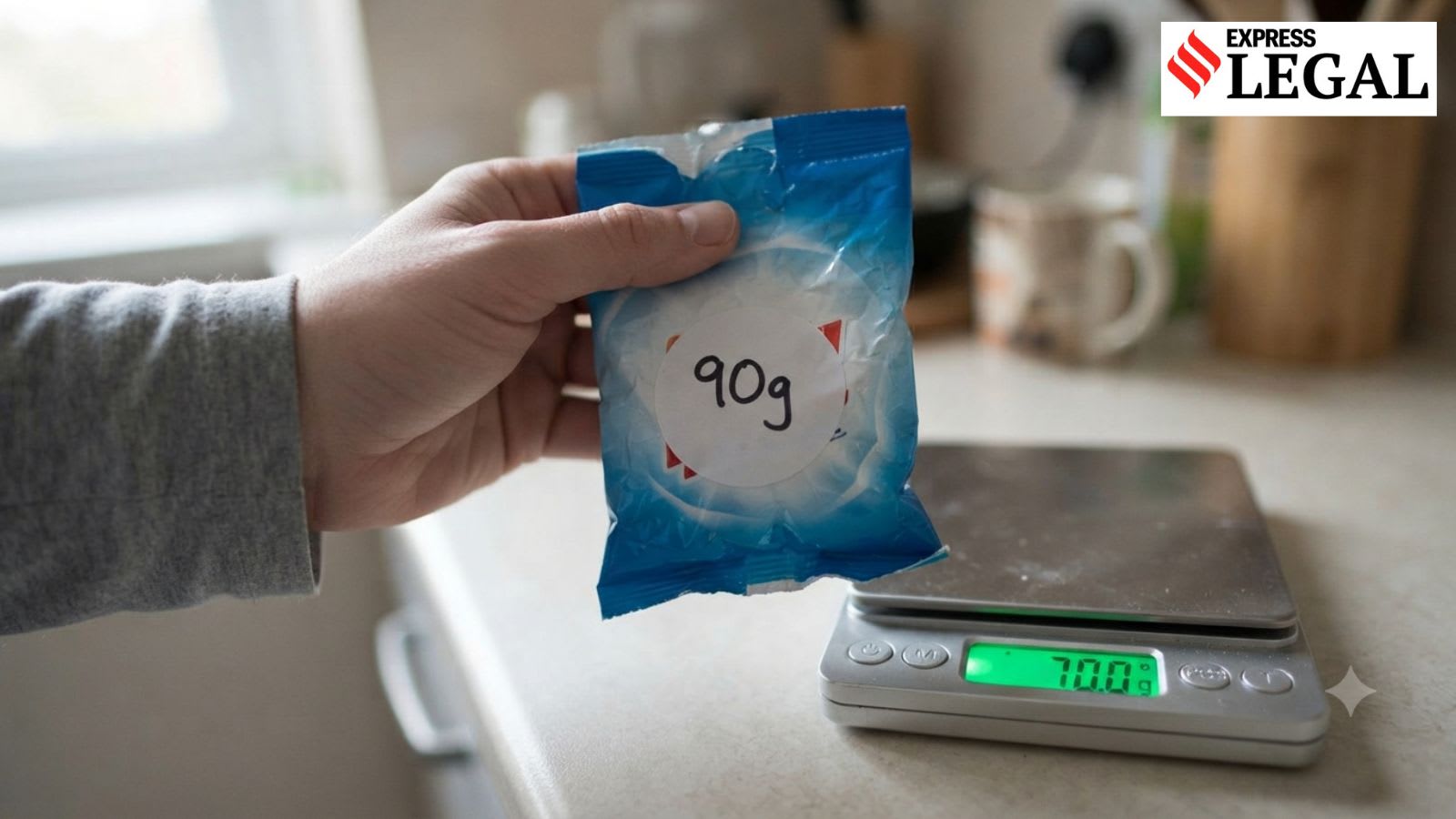
Indian consumer commissions have ruled against major corporations, awarding compensation to a customer for underweight Surf Excel pouches and another for a wrongly rejected health insurance claim.
Strengthening Consumer Rights: Recent Legal Victories Against Corporate Giants
In a significant reinforcement of consumer protection laws in India, recent rulings by state and district consumer commissions have highlighted the accountability of large corporations. Two distinct cases—one involving a fast-moving consumer goods (FMCG) giant and another involving a major health insurance provider—demonstrate the judicial system's commitment to penalizing 'unfair trade practices' and 'deficiency in service.' These cases underscore the importance of transparency in product labeling and the stringent requirements for evidence when insurance companies deny claims.
The Battle Against Misleading Product Weight
One notable case involved a six-year legal struggle by a consumer against Hindustan Unilever Limited (HUL). The dispute centered on a pouch of Surf Excel detergent that was labeled as weighing 90 grams but actually weighed only 70 grams. The Uttarakhand State Consumer Commission ultimately ruled in favor of the consumer, ordering HUL to pay Rs 50,000 in compensation. The commission determined that selling a product that is significantly underweight compared to its labeling constitutes an unfair trade practice.
This case is particularly significant because it highlights the persistence required by consumers to hold multinational corporations accountable. HUL had challenged the initial order from the District Consumer Disputes Redressal Commission in Nainital, but the higher commission upheld the finding. Such rulings serve as a warning to manufacturers that discrepancies in quantity—regardless of how small the individual unit may seem—can lead to substantial legal penalties and reputational damage if they mislead the public.
Challenging Insurance Claim Denials
Parallel to the FMCG dispute, a consumer forum in Chhattisgarh addressed a critical issue regarding health insurance. A patient suffering from oral cancer had his claim rejected by Star Health Insurance on the grounds that the disease was a result of pre-existing habits, specifically the consumption of alcohol, chewing tobacco, and smoking. However, the District Consumer Commission in Raipur found that the insurance company failed to provide medical proof linking these habits directly to the development of the cancer.
Consequently, the forum held Star Health guilty of a deficiency in service. The commission ordered the insurer to pay a total of Rs 1.65 lakh, which included the primary claim of Rs 1.50 lakh, along with Rs 10,000 in compensation and Rs 5,000 in costs. This ruling establishes a critical precedent regarding the 'burden of proof'; it asserts that insurance companies cannot arbitrarily reject claims based on a patient's lifestyle without providing concrete, scientific evidence that such lifestyle factors were the direct cause of the ailment.
Broader Implications for Corporate Governance
These rulings reflect a broader trend in the Indian judiciary toward empowering the end-user. By penalizing HUL for a 20-gram discrepancy and Star Health for an unsubstantiated claim rejection, the courts are signaling that corporate efficiency cannot come at the cost of consumer honesty or contractual obligations. The distinction between 'unfair trade practice' (misleading the consumer) and 'deficiency in service' (failure to provide promised benefits) provides a clear legal framework for consumers to seek redressal.
Looking forward, these cases are likely to prompt corporations to tighten their quality control and claims-processing protocols. For FMCG companies, this means more rigorous weight checks to avoid litigation. For the insurance sector, it necessitates a more transparent and evidence-based approach to denying claims. As consumer awareness grows, the reliance on District and State Commissions will likely increase, further shifting the power dynamic from the provider to the consumer.
Summary of Legal Outcomes
- Hindustan Unilever Case: Ruled as an 'unfair trade practice' due to underweight detergent pouches; resulted in a Rs 50,000 penalty.
- Star Health Case: Ruled as a 'deficiency in service' due to lack of evidence for claim rejection; resulted in a Rs 1.65 lakh payout.
- Key Takeaway: The judiciary is prioritizing factual evidence and transparency over corporate assertions, ensuring that consumers are protected from both misleading marketing and unfair service denials.