Cyclonic storm Murasu to make landfall close to Ongole
Source Entity
India Latest News: Top National Headlines Today & Breaking News | The Hindu
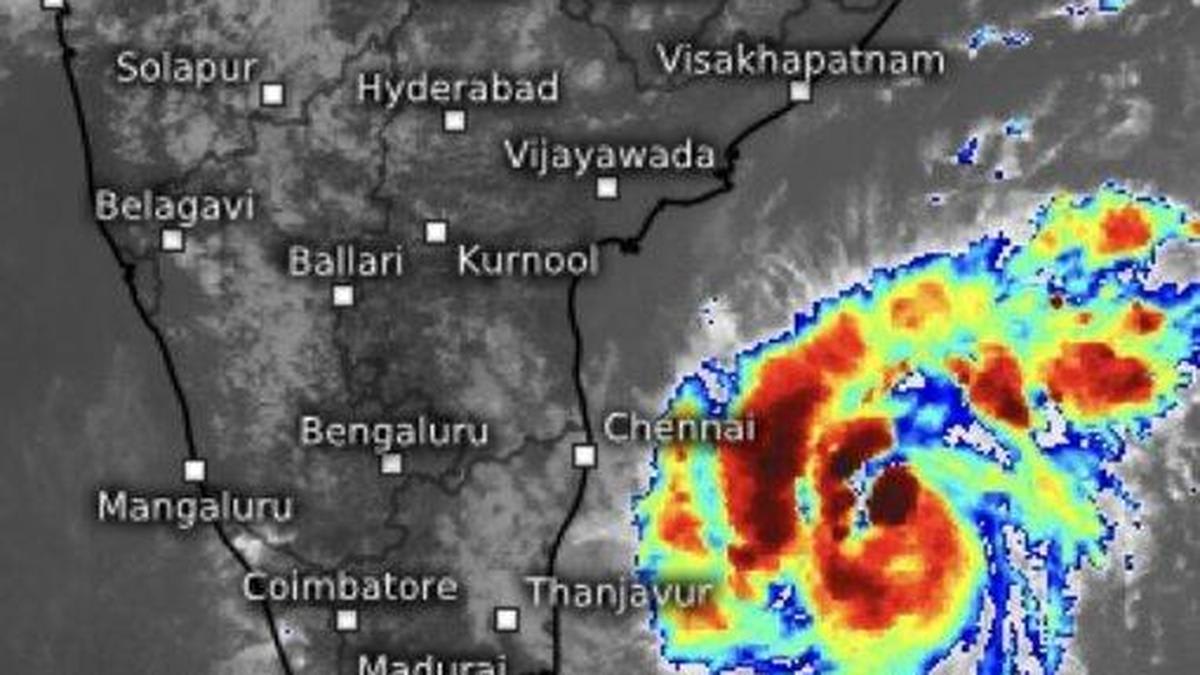
Andhra Pradesh is bracing for Cyclone Murasu, which is expected to make landfall near Ongole following a series of weather disturbances in the Bay of Bengal. Disaster response teams have been deployed across multiple districts as the region faces back-to-back cyclonic threats.
The Impending Arrival of Cyclone Murasu
The coastal regions of Andhra Pradesh are currently on high alert as Cyclone Murasu tracks toward the state, with landfall projected near Ongole. This weather event follows a remarkably volatile period for the Bay of Bengal, which has seen consecutive cyclonic threats within a single week. The proximity of these events has forced local authorities to transition from recovery to emergency preparedness in a matter of days.
Strategic Disaster Response Deployment
To mitigate the potential impact of the storm, the Andhra Pradesh State Disaster Management Authority (APSDMA) has executed a comprehensive deployment plan. A total of six National Disaster Response Force (NDRF) teams and seven State Disaster Response Force (SDRF) teams have been strategically positioned across vulnerable districts. Specifically, dual-team units have been stationed in high-risk zones including Krishna, Bapatla, Guntur, Nellore, and Prakasam, while additional support is positioned in Markapuram, Palnadu, and Tirupati.
Meteorological Context and System Evolution
The origins of Cyclone Murasu can be traced back to a low-pressure area that developed over the South Andaman Sea. According to the India Meteorological Department (IMD), this system underwent rapid intensification, moving from a depression to a cyclonic storm within a 24-hour window. The system’s trajectory—moving west-northwest toward the west-central Bay of Bengal—highlights the persistent nature of weather patterns currently affecting the Southern Peninsula.
Broader Implications for the Southern Peninsula
Beyond the immediate threat to Andhra Pradesh, the atmospheric disturbances in the Bay of Bengal are influencing weather patterns across the wider region. The IMD notes that these systems are expected to revive rainfall activity in Keralam starting November 1, 2026. The shift in moisture transport demonstrates how a single low-pressure system in the Andaman Sea can have cascading effects on the climate of the entire southern Indian coastline, leading to heavy rainfall far from the primary landfall site.
Future Trends and Preparedness
As climate variability continues to influence the frequency of cyclonic activity in the Bay of Bengal, the reliance on real-time forecasting and rapid-response infrastructure becomes increasingly critical. The fact that this is the second major storm to threaten the coast in less than a week underscores the need for sustained readiness. Moving forward, the effectiveness of these disaster management strategies will likely serve as a benchmark for how coastal states handle the compounding risks of climate-driven weather events.
Multiple Citing Sources
Verification Required?