Vietnam's Son Doong: world's largest cave holds jungle, found by local in 1990
Source Entity
TOI LIFESTYLE DESK
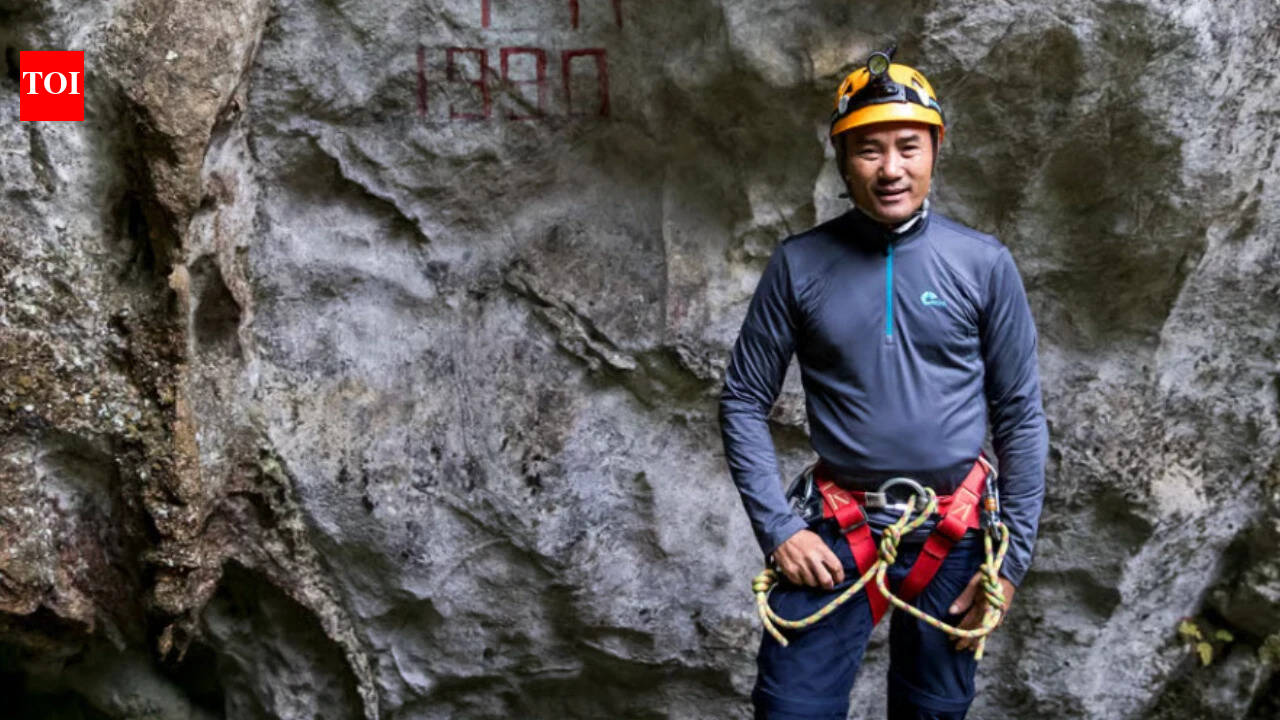
Son Doong, discovered by Ho Khanh in 1990 and mapped in 2009, is the world's largest cave passage. It features a unique internal jungle ecosystem and has been accessible via sustainable tours since 2013.
The Unveiling of Son Doong: A Geological Marvel
Vietnam's Son Doong Cave stands as a testament to the raw, transformative power of nature. First brought to human attention in 1990 when a local man named Ho Khanh stumbled upon its entrance, the cave remained a hidden mystery for nearly two decades. It was not until 2009 that a team of British cavers conducted a comprehensive exploration, officially confirming it as the world’s largest known cave passage. This discovery fundamentally altered our understanding of subterranean geography, revealing a space so vast it contains its own localized jungle and climate.
Geological Significance and Scale
The sheer scale of Son Doong is difficult to comprehend, as it was carved over eons by a subterranean river cutting through ancient limestone. The cavern’s colossal rock formations and expansive chambers demonstrate the relentless forces of erosion and geological shifting. By housing an internal ecosystem, the cave acts as a time capsule, preserving conditions that have allowed a unique jungle to flourish deep beneath the earth's surface, shielded from the external environment for millennia.
From Hidden Wonder to Sustainable Tourism
The transition of Son Doong from a remote discovery to a global destination necessitated a delicate balance between exploration and preservation. Since 2013, the implementation of sustainable tourism initiatives has allowed adventurers to witness this subterranean wonder firsthand. These efforts are critical, as the cave’s ecosystem is incredibly fragile; limited access ensures that the human impact is minimized, protecting the intricate limestone structures and the lush vegetation that calls the cave home.
The Role of Local Stewardship
The story of Son Doong is deeply intertwined with the local community, specifically Ho Khanh, whose initial discovery underscores the importance of local knowledge in modern exploration. This partnership between local discoverers and international scientific teams paved the way for the cave's eventual mapping and protection. Such collaborations are vital for the future of world heritage sites, ensuring that local populations remain central to the management and conservation of natural landmarks.
Implications for Future Conservation
As we look toward the future, the management of Son Doong serves as a global model for the preservation of delicate environments. The ongoing challenge lies in maintaining the balance between economic benefits from tourism and the ecological integrity of the cave. As climate patterns and environmental pressures evolve, monitoring the cave’s internal atmosphere and biodiversity will be essential to ensure that this prehistoric sanctuary remains intact for generations to come.