Longest Ukraine War Ceasefire Ends In Kherson. It Lasted 6 Days
Source Entity
NDTV News Search Records Found 1000
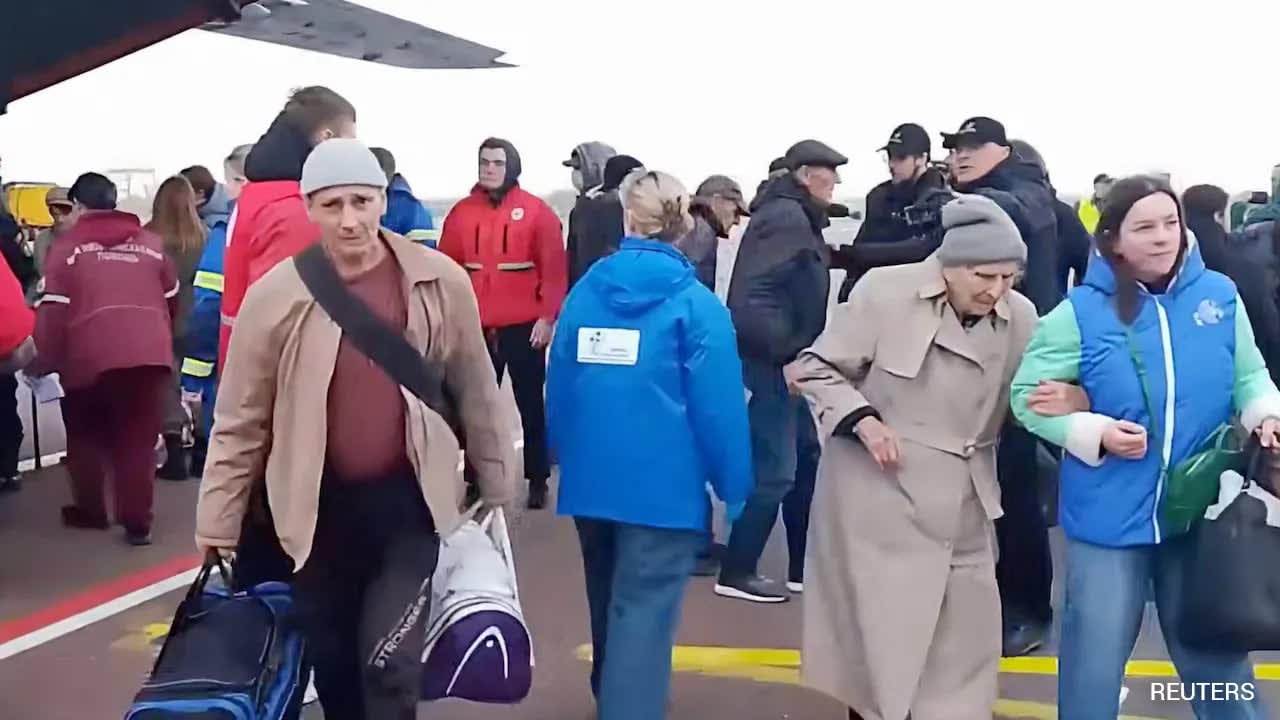
A six-day humanitarian ceasefire in the Kherson region has concluded after Russia declined an extension. Despite the end of this pause, US-mediated diplomatic talks between Russia and Ukraine are scheduled to resume later this month.
The Conclusion of the Kherson Truce and Diplomatic Outlook
The recent six-day ceasefire in the eastern Kherson region, which concluded on Sunday, November 1, represents a significant, albeit brief, departure from the intense kinetic warfare characterizing the conflict. Spanning from October 27 to November 1, this period of de-escalation was marked by a rare absence of reported violations, with officials on both sides characterizing the window as a major step forward in humanitarian cooperation. The truce allowed for a critical mission to the Russian-occupied city of Oleshky, demonstrating the potential for localized stability even amidst a conflict now entering its fifth year.
The Humanitarian Impact and Diplomatic Mediation
The success of the ceasefire was largely attributed to mediation efforts led by US First Lady Melania Trump. By facilitating this pause, the diplomatic intervention underscored the ongoing influence of international stakeholders in navigating the complex geography of the front lines. The ability to execute a humanitarian mission into Oleshky highlights the logistical necessities of the war, where civilian welfare often remains secondary to military objectives. This episode serves as a case study in how targeted, high-level diplomatic pressure can create narrow corridors for humanitarian aid.
Analyzing the End of the Truce
Despite the relative success of the six-day window, the cessation of the truce—precipitated by Russia's refusal to extend the agreement—signals the fragility of such arrangements. Ukrainian Parliament Commissioner for Human Rights Dmytro Lubinets confirmed the end of the operation, emphasizing that while the pause was a constructive effort, the broader conflict remains entrenched. The inability to sustain this localized peace suggests that military objectives in the eastern Kherson region continue to outweigh the temporary benefits of humanitarian de-escalation for the Russian leadership.
The Broader Context of a Five-Year Conflict
The Ukraine war, now in its fifth year, has seen various attempts at local truces, yet few have achieved the stability seen in this recent instance. The "biggest de-escalation since 2022" label applied by a Ukrainian lawmaker reflects the exhaustion of both sides and the difficulty of maintaining localized peace in a war of attrition. The return to active hostilities in Kherson serves as a reminder that without a comprehensive political solution, localized truces are merely temporary interruptions in a long-standing strategic struggle.
Looking Toward Future Negotiations
Looking ahead, the focus of the international community shifts to the upcoming US-mediated talks between Russia and Ukraine scheduled for later this month. These negotiations represent the next critical phase in attempting to find a resolution to the conflict. The success of the Kherson ceasefire, while limited in duration, provides a foundation of precedent that mediators may attempt to leverage. Whether these upcoming discussions can translate the success of humanitarian missions into a broader, more permanent framework for peace remains the central challenge for global diplomacy in the coming weeks.
Verification Required?