Dam removals are bringing fish back across the northeastern United States
Source Entity
Hacker News
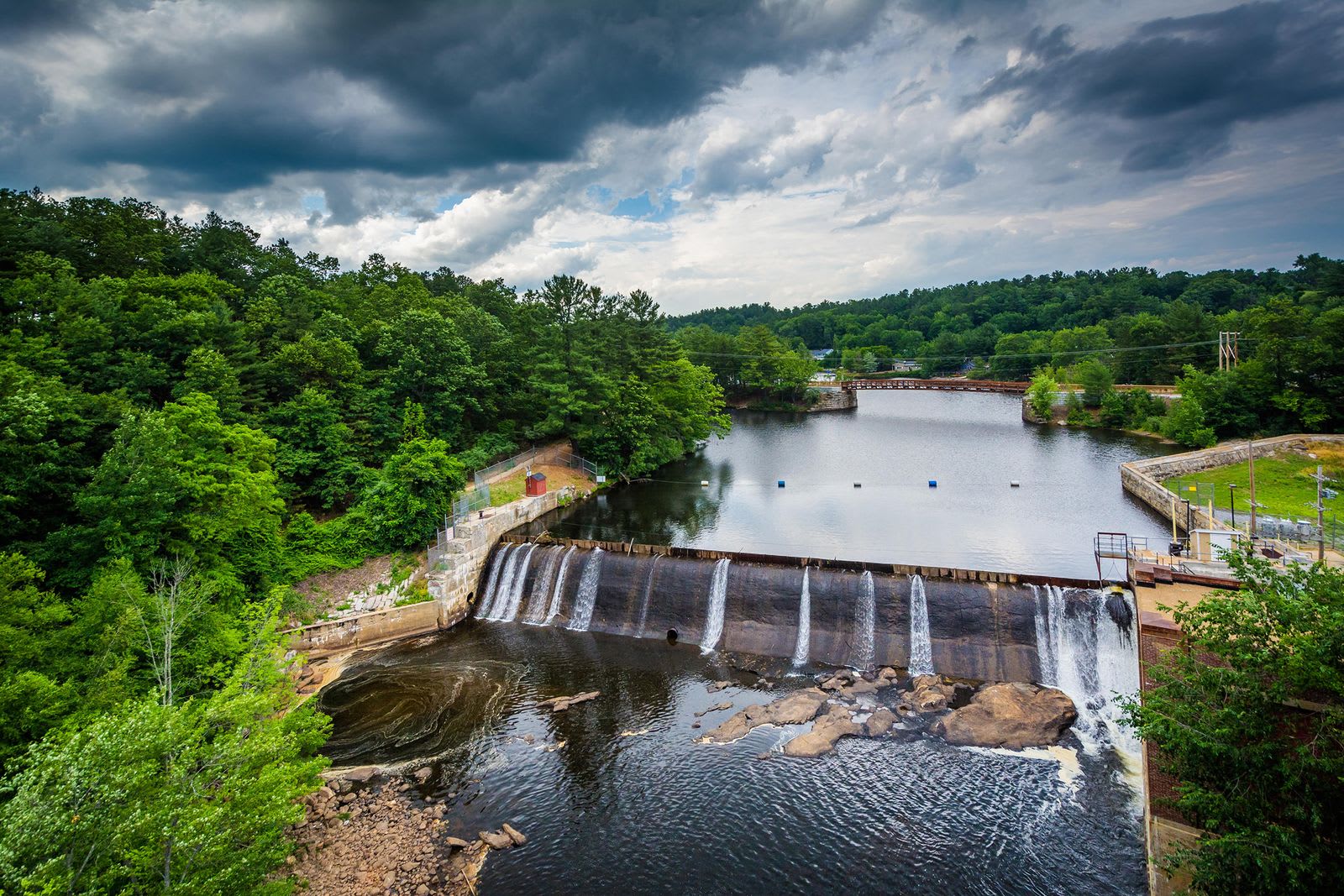
The removal of obsolete dams across the northeastern United States is successfully restoring fish habitats and migratory routes. These localized efforts are proving vital for ecological recovery, allowing species like herring to return to their ancestral spawning grounds.
The Ecological Renaissance of Northeastern Waterways
The ongoing removal of obsolete dams across the northeastern United States represents a quiet but profound shift in environmental management. While large-scale dam demolitions in the American West frequently capture national headlines due to their massive scale and complexity, the northeastern strategy focuses on the cumulative impact of removing smaller, often defunct, obstructions. By dismantling these barriers one by one, conservationists are systematically reconnecting fragmented river systems and facilitating the return of migratory fish species, such as herring, to their historical habitats.
Historical Precedents and Industrial Legacy
The struggle over river connectivity is not a modern phenomenon. The historical context provided by the 1859 conflict in Billerica, Massachusetts, serves as a poignant reminder that human tension regarding river management has existed since the dawn of the Industrial Revolution. When local farmers sought the destruction of Charles Talbot’s textile factory dam, they were prioritizing agricultural land viability over industrial expansion. This early resistance highlights how dams have long served as focal points for debates over land use, property rights, and the perceived value of natural versus man-made river states.
The Mechanics of Ecological Restoration
At the core of this movement is the understanding that dams act as significant biological bottlenecks. Many of these structures were built in the 19th and early 20th centuries for milling or early textile manufacturing, serving purposes that have long since vanished. However, the physical barriers remain, preventing anadromous fish—those that swim from the ocean to freshwater to spawn—from accessing critical breeding grounds. The current initiative to remove these obstructions is not merely about clearing debris; it is an active restoration of the ecological "plumbing" necessary for biodiversity to thrive.
Strategic Benefits of Targeted Removal
Unlike massive hydroelectric projects that require complex power-grid integration, many of these northeastern dams are small, privately owned, or abandoned. Their removal is often more cost-effective and carries fewer socio-economic trade-offs compared to their western counterparts. By focusing on these smaller barriers, states are achieving high returns on investment in terms of river health. The return of herring in large numbers confirms that when the path is cleared, nature possesses a remarkable capacity for rapid recolonization of former habitats.
Future Trends and Sustainable Management
Looking forward, the trend toward river restoration is likely to accelerate as climate change increases the urgency of maintaining healthy, connected watersheds. As extreme weather patterns impact water flow and temperature, free-flowing rivers provide better thermal regulation and resilience for aquatic species. The success seen in the Northeast serves as a blueprint for other regions to evaluate their own inventory of aging infrastructure. Moving forward, the focus will likely shift from merely removing barriers to comprehensive watershed management that balances human utility with the necessity of maintaining migratory corridors for fish.
Conclusion
In summary, the removal of obsolete dams in the Northeast is a testament to the power of localized environmental action. By acknowledging the mistakes of the past—where industrial progress often came at the expense of river connectivity—modern stakeholders are undoing the damage of centuries-old infrastructure. This movement is successfully bringing life back to once-stagnant waters, ensuring that the legacy of our rivers is defined not just by their industrial history, but by their vibrant, restored ecosystems.