Jantar Mantar stir: Training of RAF personnel postponed, 10 more CRPF companies for Capital
Source Entity
The Indian Express
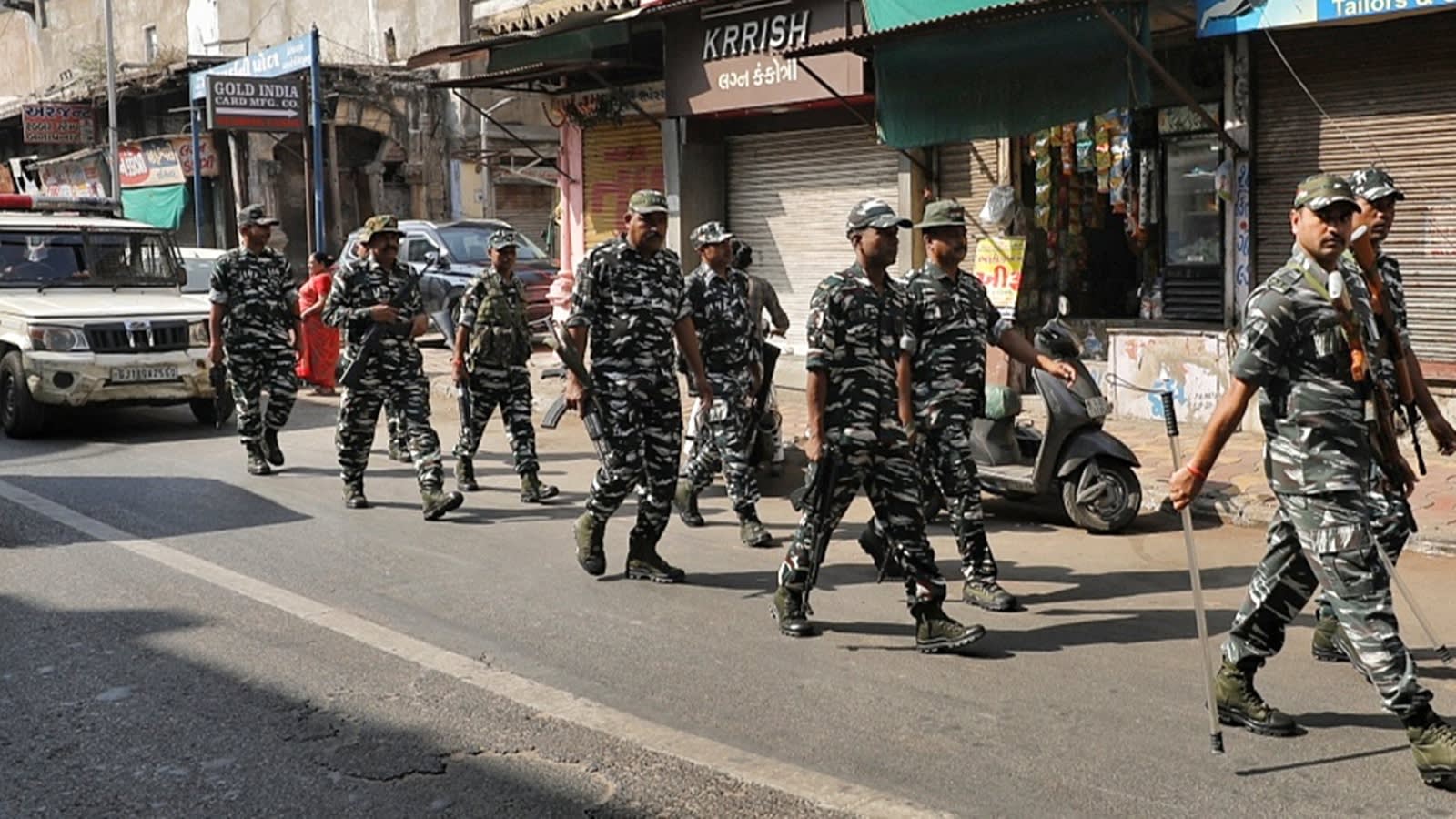
The Delhi High Court has dismissed a PIL demanding an NIA investigation into the Cockroach Janta Party's 'Chalo Sansad' march. The court clarified that the executive branch, not the judiciary, holds the authority to refer cases to specialized agencies like the NIA.
Delhi High Court Dismisses PIL for NIA Probe into 'Chalo Sansad' March
Judicial Restraint and Executive Authority
On July 24, 2026, the Delhi High Court, led by a Bench comprising Chief Justice D. K. Upadhyaya and Justice Tejas Karia, took a definitive stance on the limits of judicial intervention regarding criminal investigations. The court refused to entertain a Public Interest Litigation (PIL) that sought to mandate an investigation by the National Investigation Agency (NIA) or another 'specialized agency' into the Cockroach Janta Party’s (CJP) 'Chalo Sansad' march. This protest, which took place on July 20, was organized to voice dissent against the NEET-UG paper leak and related administrative failures.
The Legal Basis for Dismissal
The Bench emphasized a fundamental principle of constitutional governance: the separation of powers. The court explicitly noted that the authority to refer cases to the NIA lies squarely with the Central government, not the judiciary. By stating that the alleged incidents of vandalism were already under the purview of the relevant authorities who are bound to act according to the law, the court signaled that it would not bypass established legal procedures to initiate extraordinary investigations. Consequently, after Solicitor General Tushar Mehta prompted the petitioner to reconsider, the plea was dismissed as withdrawn.
Contextualizing the 'Chalo Sansad' Protests
The march, which originated at Jantar Mantar and aimed for Parliament House, became a flashpoint for political tension. The protest was deeply rooted in student grievances regarding the integrity of the NEET-UG examination process. As the demonstration progressed, reports of violence and subsequent police action, including lathi charges, brought the event under intense scrutiny. The legal landscape surrounding this event has been multifaceted, with the court simultaneously addressing petitions regarding alleged police excesses during the crowd control measures.
Broader Implications for Public Protests
This incident highlights the precarious balance between the right to protest and the maintenance of public order in India’s capital. The Delhi High Court’s previous observation—that incidents at Jantar Mantar are not 'isolated'—suggests a growing judicial concern regarding the recurring nature of protest-related violence and the police response. By ordering responses from the Centre and Delhi Police regarding alleged police brutality, the court is maintaining a supervisory role to ensure that the rule of law is upheld on both sides of the protest lines.
Future Trends in Judicial Oversight
The dismissal of the NIA probe request reinforces a trend of judicial caution in cases involving specialized central agencies. While the court remains open to reviewing potential human rights violations or police misconduct, it is clearly resistant to being used as a mechanism to escalate civil unrest into national security investigations. Moving forward, the focus will likely remain on the SIT (Special Investigation Team) inquiries or similar administrative probes, ensuring that the investigation remains within the standard legislative framework rather than moving toward centralized, high-stakes counter-terrorism mandates.
Multiple Citing Sources