He lost a leg in a snatching attempt, got a prosthetic limb — it led cops to him
Source Entity
Alok Singh
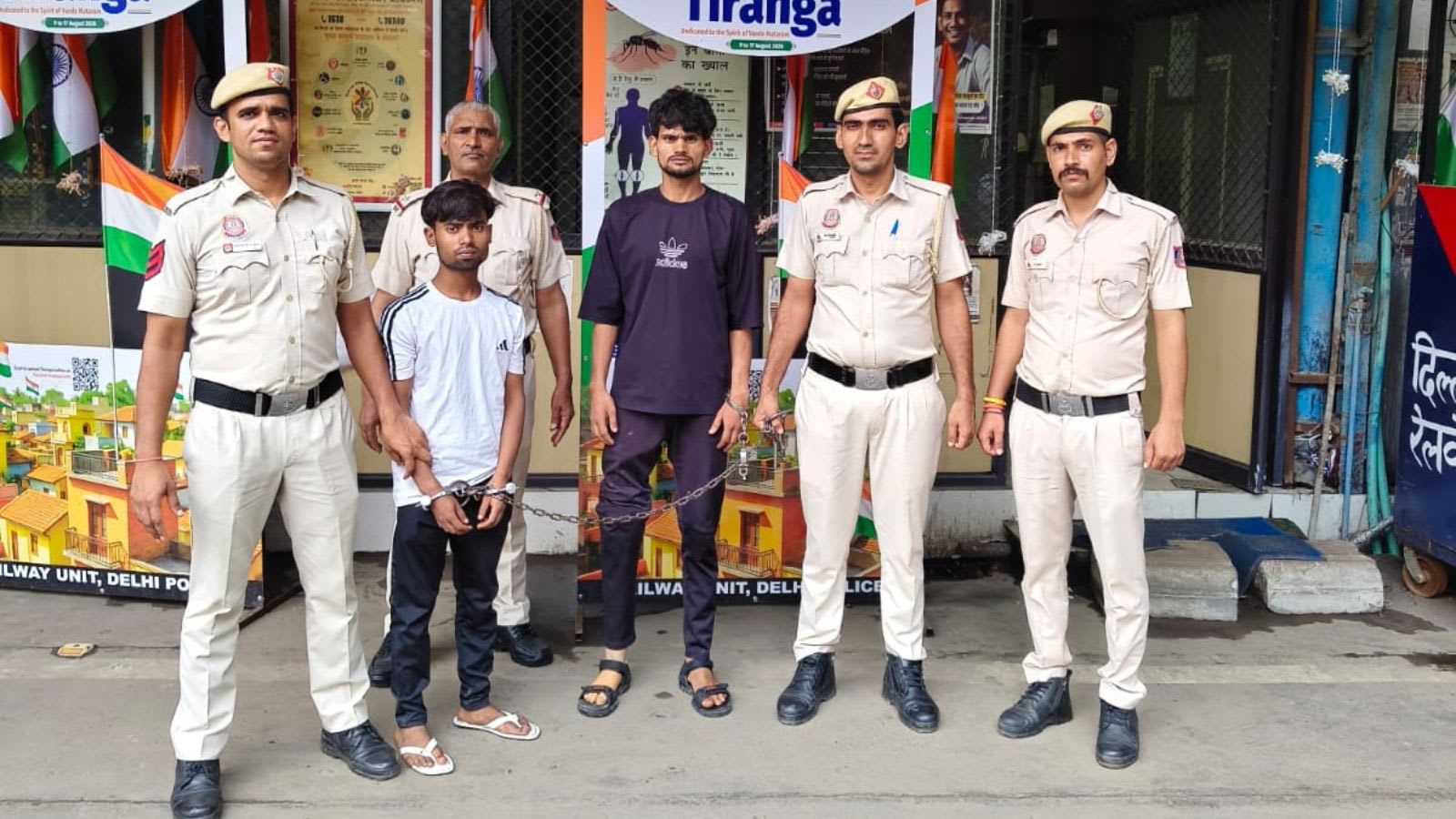
Delhi Police have successfully apprehended suspects in two distinct criminal cases, involving a train-based snatcher with a prosthetic leg and an arms supplier linked to the 2020 Delhi riots. These arrests underscore the persistent efforts of law enforcement to track down offenders long after their initial crimes.
Law Enforcement Breakthroughs: Addressing Persistent Criminality in Delhi
Recent police operations in Delhi have resulted in the arrest of several individuals involved in disparate but significant criminal activities. In one instance, the Delhi Police apprehended Hassan, alias Golu, and his associate, Dilshad, alias Badka, following a purse-snatching incident aboard the Ranikhet Express. The case gained notoriety due to the unique circumstances surrounding the primary suspect, who had previously lost his leg in a train-related incident during a 2022 snatching attempt, yet continued his criminal activities with the aid of a prosthetic limb.
The Anatomy of Train-Based Crime
The apprehension of Hassan highlights the ongoing challenges faced by railway security in managing transit-related theft. The victim, Haridesh Sharma, reported the loss of her purse near Sarai Rohilla Railway Station, a critical transit hub in North Delhi. The fact that the perpetrator returned to criminal activity despite a life-altering injury sustained during a prior offense demonstrates a cycle of recidivism that complicates law enforcement efforts. This case underscores the necessity for heightened surveillance and rapid response protocols on passenger trains.
Resolving Cold Cases: The 2020 Riots Connection
In a separate but equally significant development, the Delhi Police Crime Branch successfully arrested Waseem, alias Hazi Waseem, the individual identified as the supplier of the weapon used by Shahrukh Pathan during the 2020 Northeast Delhi riots. Pathan had gained widespread infamy for pointing a firearm at head constable Deepak Dahiya. The arrest of Waseem, conducted alongside his associate Majid after a shootout near Akshardham, marks a major milestone in the long-term investigation into the procurement of illegal firearms used during the civil unrest.
Tactical Challenges and Police Resilience
The arrest of Waseem and Majid involved a direct confrontation, including an exchange of fire near Akshardham. Police reported that the suspects initiated the gunfire, leading to a brief shootout and a subsequent physical struggle before the officers could neutralize the threat. The recovery of a semi-automatic pistol and live ammunition from the scene confirms the dangerous nature of the operation and the high-risk environment in which the Crime Branch continues to pursue those connected to major historical crimes.
Broader Implications for Public Safety
These events reflect the dual nature of modern urban policing in a major metropolis. On one hand, officers must manage opportunistic street crime, such as the snatching incidents that plague transit passengers. On the other, they must maintain the long-term focus required to solve complex, politically sensitive, and historically significant cases like the 2020 riot investigations. The persistence shown in tracking a weapon supplier six years after the incident serves as a warning that criminal accountability is not easily evaded by time.
Future Trends in Urban Enforcement
Looking forward, the Delhi Police are likely to continue leveraging advanced investigative techniques to bridge the gap between historical offenses and modern-day apprehension. As criminal networks evolve, the integration of forensic evidence, digital tracking, and tactical field operations remains essential. The successful resolution of these cases serves as a deterrent and a testament to the efficacy of sustained investigative pressure, suggesting that authorities will maintain a rigorous stance on both active street offenders and those who provide the infrastructure for violent crime.