Iran and Oman prepare Hormuz deal as U.S. holds back on secondary sanctions
Source Entity
US Top News and Analysis
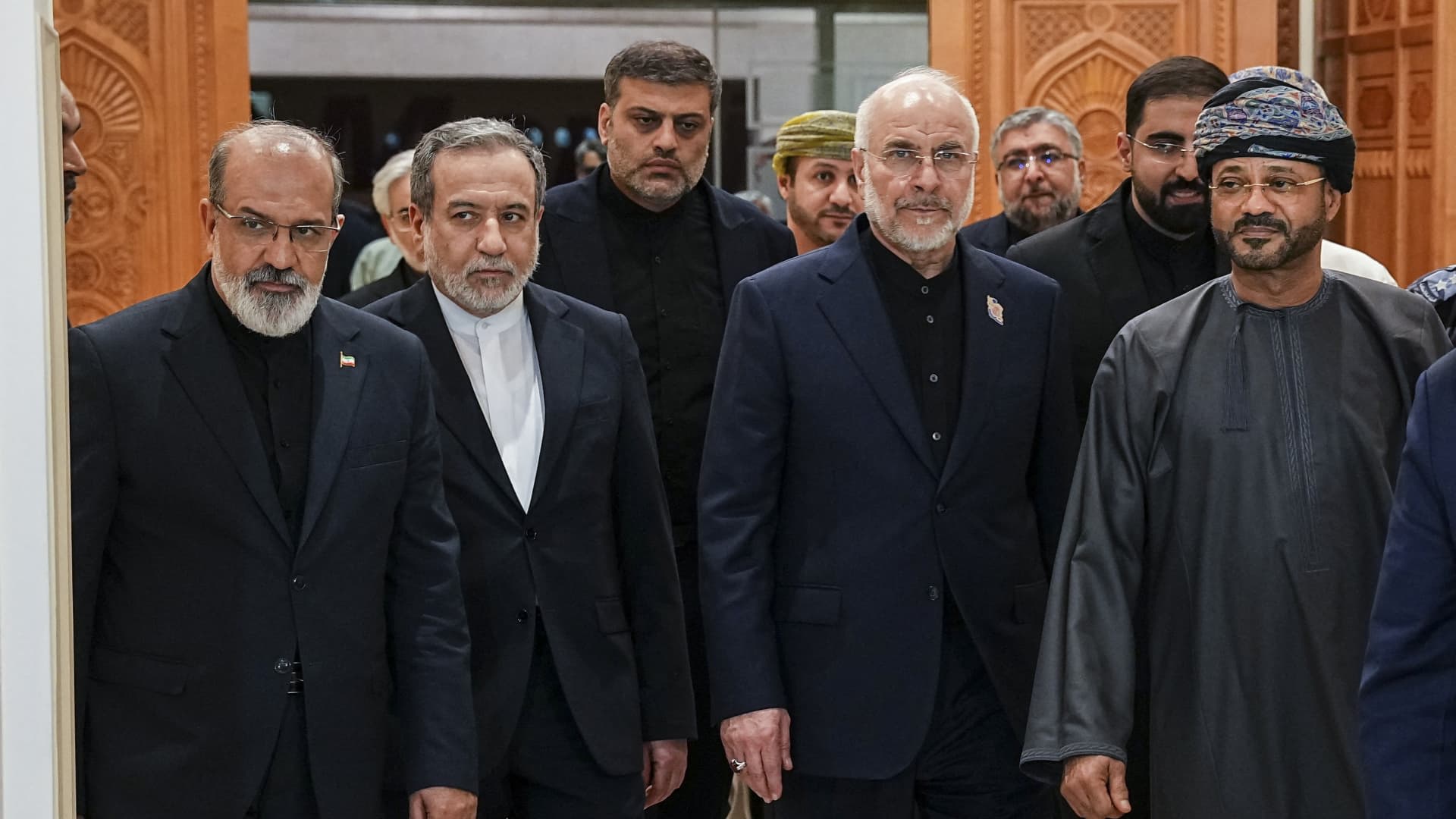
The US reports that the Strait of Hormuz is now clear of mines, while Iran and Oman are simultaneously negotiating a joint shipping corridor. These developments aim to stabilize global energy markets following significant disruptions caused by the ongoing conflict.
The Strategic Reopening of the Strait of Hormuz
Clearing the Waters: US Military Action
President Donald Trump has announced that the United States Navy has successfully removed or detonated all mines within the Strait of Hormuz. This critical waterway, which historically facilitated the transit of approximately 20% of the world's oil and liquefied natural gas, has been effectively closed since the onset of the conflict on February 28. By neutralizing this immediate threat, the U.S. aims to restore a semblance of order to maritime traffic that has been paralyzed by the presence of explosive devices.
The Geopolitical Standoff
President Trump’s declaration includes a clear warning to Tehran: any future attempts to deploy mines will be met with immediate and systematic destruction of the vessels involved. This assertive stance underscores the U.S. commitment to maintaining control over the area, a claim that has frequently clashed with Iranian actions. Iran has historically fired upon vessels it deemed to be crossing without authorization, creating a volatile environment that has contributed to wild fluctuations in global oil prices since the war began.
Diplomatic Maneuvers: The Iran-Oman Proposal
While the U.S. emphasizes military enforcement, a parallel diplomatic track is unfolding between Iran and Oman. Foreign Minister Sayyid Badr bin Hamad Albusaidi and Iranian diplomat Seyed Abbas Araghchi have discussed the establishment of a temporary joint shipping route. Unlike the unilateral military approach, this proposal seeks to create a managed corridor and a collaborative mine-clearing mission, signaling a potential shift toward regional cooperation to restore safe navigation.
Broader Regional Implications
These negotiations highlight the importance of involving states bordering the Gulf in the management of the waterway. By proposing a joint project, Oman and Iran are attempting to create a framework that balances regional sovereignty with the urgent need to stabilize global energy corridors. The success of these talks remains contingent on whether these "practical arrangements" can gain traction amidst the ongoing regional hostilities.
Economic and Future Outlook
The closure of the Strait has had a profound impact on the global economy, directly fueling instability in energy markets. With the U.S. declaring the waters clear of mines, the immediate danger to commercial shipping is ostensibly reduced; however, the long-term stability of the region remains precarious. Whether the proposed joint corridor or the U.S. security presence will dictate the future of maritime trade in the Strait of Hormuz will depend on the ability of these disparate stakeholders to navigate the complex security landscape of the Middle East.
Multiple Citing Sources