'Lokan di avaaz rab di avaaz': Diljit Dosanjh backs CJP protesters
Source Entity
TOI CITY DESK
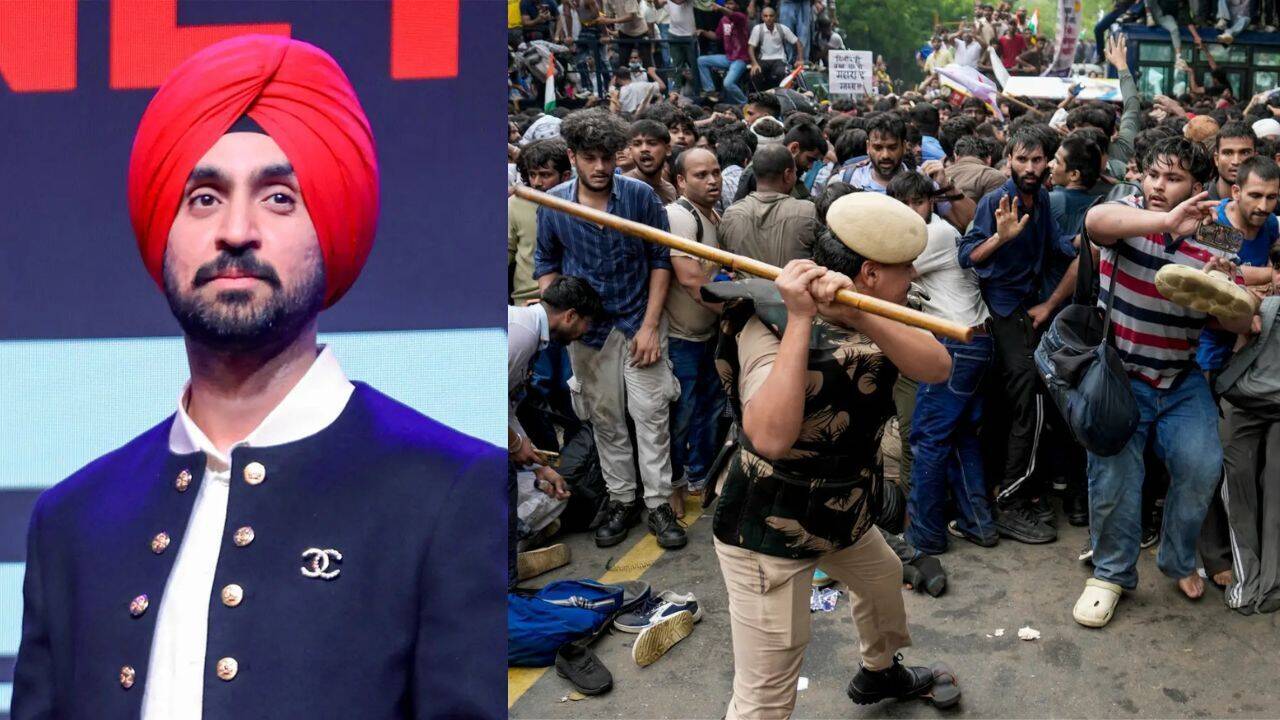
A CJP-led protest march in Delhi demanding the resignation of Education Minister Dharmendra Pradhan turned violent, resulting in injuries to over 118 police personnel and 60 protesters. The situation escalated into clashes near Parliament Street, with authorities detaining 70 individuals and relocating activist Sonam Wangchuk to a hospital.
Turmoil on Parliament Street: The CJP-Led Protest Escalation
The recent demonstration in the heart of Delhi, organized by the CJP, transformed from a political march into a chaotic scene of civil unrest. Protesters, rallying to demand the resignation of Education Minister Dharmendra Pradhan and showing solidarity with activist Sonam Wangchuk, converged on Parliament Street, leading to a direct confrontation with law enforcement. The atmosphere, described as filled with the sounds of sirens, slogans, and teargas, highlights a significant breakdown in communication between the organizers and the administration.
The Human Toll and Police Response
The scale of the violence was substantial, with the Delhi Police reporting that over 118 personnel, including senior officers, sustained injuries during the clashes. The authorities have alleged that the protesters engaged in large-scale violence, including the hurling of stones, the destruction of government vehicles, and the damaging of public property. Conversely, protesters have spoken of fleeing into the safety of Gurdwara Bangla Sahib to escape a lathi-charge, illustrating the intense fear and physical toll experienced by those on the ground.
The Role of Regulatory Measures
Central to the conflict was the violation of existing prohibitory orders. The police maintained that they issued repeated warnings to the crowd to disperse before force was utilized. The inability of the protesters to adhere to these legal boundaries led to the detention of 70 individuals. This dynamic underscores the persistent tension in Delhi’s political landscape, where the right to protest frequently clashes with the state’s mandate to maintain public order and security near high-stakes governmental hubs.
The Impact on Public Spaces and Safety
The decision by protesters to seek refuge in an iconic religious institution like Gurdwara Bangla Sahib underscores the desperation felt by those caught in the crossfire. The imagery of protesters clutching handkerchiefs against teargas and carrying water bottles while attempting to voice their grievances reflects a deeply polarized political climate. The involvement of activist Sonam Wangchuk, who was ultimately removed by police and shifted to Safdarjung Hospital, further galvanized the demonstrators and added a layer of high-profile scrutiny to the event.
Broader Implications and Future Trends
This event serves as a stark reminder of the volatility inherent in protests directed at specific cabinet ministers. The demand for the resignation of Education Minister Dharmendra Pradhan suggests a deep-seated dissatisfaction with current educational policies or governance issues, which may continue to manifest in future demonstrations. As the government grapples with these public dissent movements, we can expect a tightening of security protocols around Parliament Street and a more rigorous enforcement of prohibitory orders during future political gatherings.
Conclusion
The violent clashes in Delhi mark a concerning escalation in the ongoing political discourse surrounding the CJP and the Education Ministry. With significant injuries reported on both sides and a high number of detentions, the focus will likely shift toward the legal proceedings of the detained and the potential for further protests. The event underscores the critical need for a more sustainable dialogue between political agitators and the state to prevent such physical confrontations in the future.
Multiple Citing Sources