Tamil rapper Arivu detained during bid to protest against NEET near Secretariat in Chennai, CM Vijay meets him
Source Entity
India Latest News: Top National Headlines Today & Breaking News | The Hindu
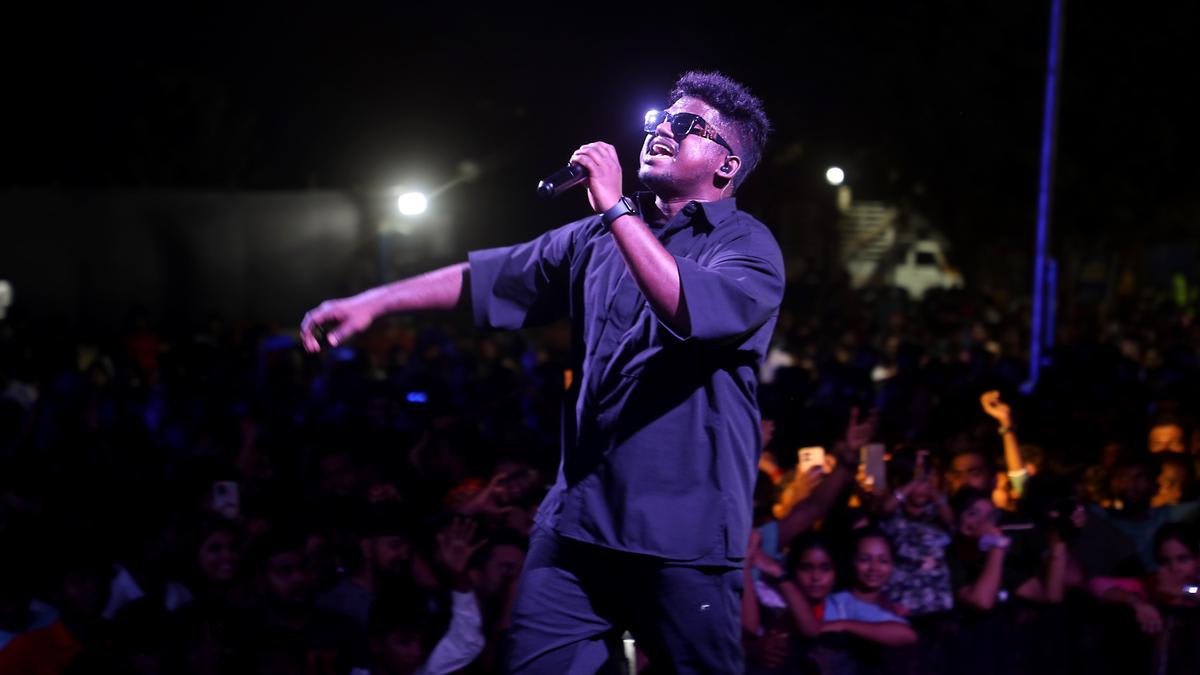
Tamil rapper Arivu was briefly detained while protesting against the NEET exam in Chennai. Following the incident, Chief Minister C. Joseph Vijay invited the activist to discuss his concerns, highlighting ongoing regional tensions regarding the national entrance test.
The Intersection of Art and Activism: Rapper Arivu’s Detention
On July 21, 2026, the intersection of cultural influence and political activism became starkly visible in Chennai when popular Tamil rapper Arivarasu Kalainesan, known professionally as Arivu, was detained by the Greater Chennai City police. Arivu, celebrated for his fusion of folk traditions and social commentary—most notably in his viral hit 'Enjoy Enjaami'—was apprehended while attempting to stage a protest at the entrance of the Tamil Nadu Secretariat. The demonstration, involving a small group of activists, was centered on a long-standing point of contention in the state: the demand for the abolition of the National Eligibility-cum-Entrance Test (NEET).
The Core Grievances
The protest served as a dual-purpose demonstration. Beyond the primary demand for the scrapping of NEET, the participants sought to voice their condemnation of recent police crackdowns on students marching from Jantar Mantar to the Parliament in New Delhi. These students were protesting against the alleged paper leaks and systemic failures associated with the national entrance exam. By choosing the high-security zone of the Secretariat to raise these slogans, Arivu and his cohorts aimed to force a dialogue at the state level regarding the perceived apathy toward the academic and emotional toll the examination process has taken on the youth.
Political Dynamics and the Chief Minister's Response
The response from the administration was nuanced. While the initial detention by the police underscored the state’s commitment to maintaining security at the Secretariat, the subsequent actions of Chief Minister C. Joseph Vijay suggested a different approach to political engagement. Following his brief release, Arivu was invited to the Chief Minister’s chamber. This meeting provided a platform for the artist to articulate the grievances of the student community directly to the head of the government, signaling an attempt to bridge the gap between activist pressure and executive policy.
Historical Context of the NEET Debate
NEET has remained a flashpoint in Tamil Nadu politics for years, with a consistent narrative that the centralized testing system creates an uneven playing field for students from rural backgrounds and state-board curricula. The incident involving Arivu reflects a broader trend of cultural icons using their platforms to amplify these regional concerns. By aligning his public image with the anti-NEET movement, Arivu has tapped into a deep-seated sentiment that transcends music, positioning himself as a spokesperson for those disillusioned by current national educational policy.
Implications for Future Activism
The involvement of a high-profile artist like Arivu in direct political action indicates that the discourse surrounding national entrance exams is unlikely to subside. As the state government balances the maintenance of public order with the need to address the vocal dissent of its citizens, the incident highlights a tightening relationship between popular culture and political accountability. Moving forward, the precedent of meeting with protestors after their detention may influence how the government handles similar demonstrations, potentially shifting the focus from enforcement to negotiation as a means of managing civil unrest.
Multiple Citing Sources
Verification Required?