Proposed property tax revision under CURE an “outright tax extortion”, says Telangana BJP chief Ramchander Rao
Source Entity
India Latest News: Top National Headlines Today & Breaking News | The Hindu
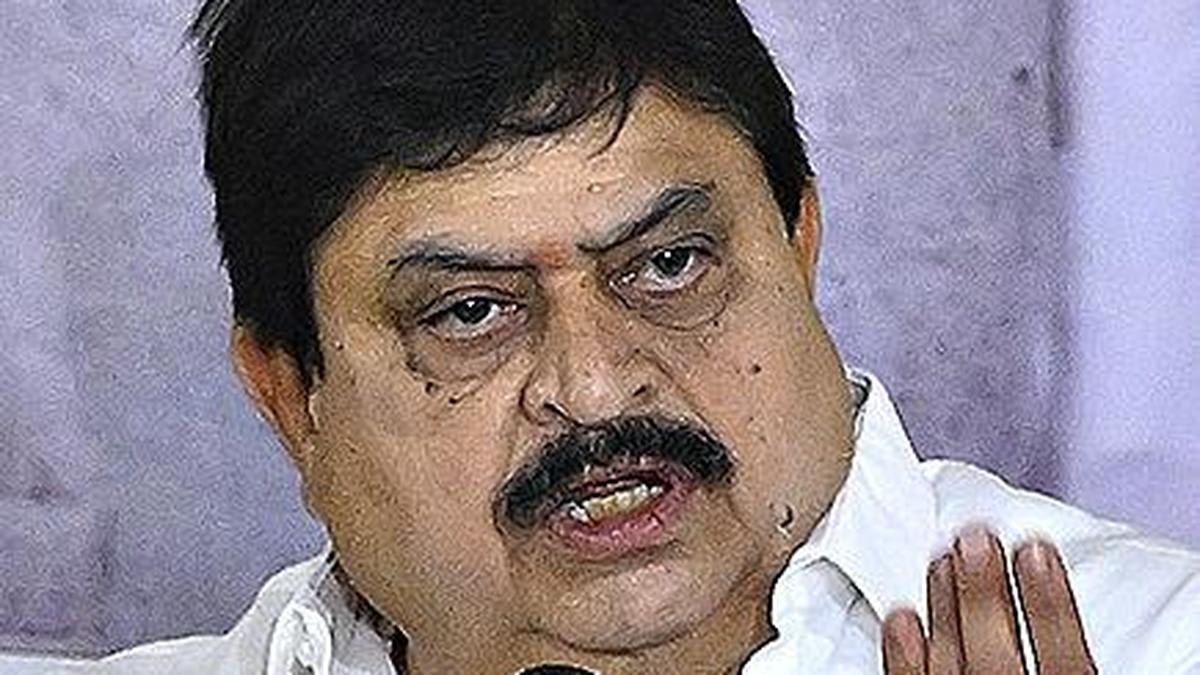
Telangana BJP president N. Ramchander Rao has criticized the state government's proposed CURE Act, labeling planned property tax hikes and housing scheme fees as financial extortion. He argues that the new municipal reforms lack scientific basis and place an unnecessary burden on Hyderabad residents.
The Controversy Surrounding Telangana's CURE Act
Telangana BJP president N. Ramchander Rao has launched a scathing critique against the state government's proposed municipal reforms, specifically targeting the Core Urban Region Economy (CURE) Act. According to Mr. Rao, these reforms are designed to place an undue financial burden on the residents of the Hyderabad capital region. The primary contention lies in the proposed restructuring of property tax assessments, which Mr. Rao characterizes as "outright tax extortion" due to their reliance on registration values rather than a transparent or scientific methodology.
Analyzing the Financial Burden
The proposed CURE Act reportedly includes provisions for a minimum five per cent increase in property taxes, alongside the introduction of separate levies for water and sewerage services. By shifting the tax base toward current registration values, the government aims to modernize urban revenue collection; however, the opposition argues that this approach ignores the socio-economic realities of the citizenry. The BJP contends that these measures lack the necessary fiscal justification and serve only to squeeze the public for additional revenue under the guise of urban development.
Scrutiny of the Indiramma Housing Scheme
Beyond the CURE Act, Mr. Rao has turned his focus to the administration of the Indiramma Housing Scheme. He has raised significant questions regarding the financial requirements imposed on applicants, specifically the collection of a ₹100 application fee and an earnest money deposit (EMD) of ₹10,000. With lakhs of applicants participating in the scheme, the total capital being collected as EMD has drawn intense scrutiny from the opposition, who view it as an unnecessary hurdle for low-income families seeking housing support.
Political Implications and Governance
The tension between the state government and the BJP highlights a broader debate regarding urban governance in Hyderabad. As the city continues to expand rapidly, the need for sustainable municipal funding is undeniable. However, the methods chosen to achieve this—whether through property tax hikes or administrative fees—remain a flashpoint for political disagreement. The BJP’s vocal opposition suggests a strategy to mobilize public sentiment against the current administration's fiscal policies, framing the government as disconnected from the financial struggles of the common resident.
Future Trends in Urban Policy
Looking ahead, the implementation of the CURE Act will likely remain a contentious issue in the state assembly and public discourse. If the government proceeds with the proposed tax revisions, it will face significant pressure to provide a more transparent rationale for the five per cent hike. Furthermore, the handling of the Indiramma Housing Scheme fees will serve as a barometer for how the government balances its revenue-generation goals with its social welfare commitments. The public reaction to these policies will undoubtedly shape the upcoming political landscape in Telangana.
Verification Required?