20-Year-Old Woman In ICU After Being Injured At CJP Protests In Delhi
Source Entity
NDTV News Search Records Found 1000
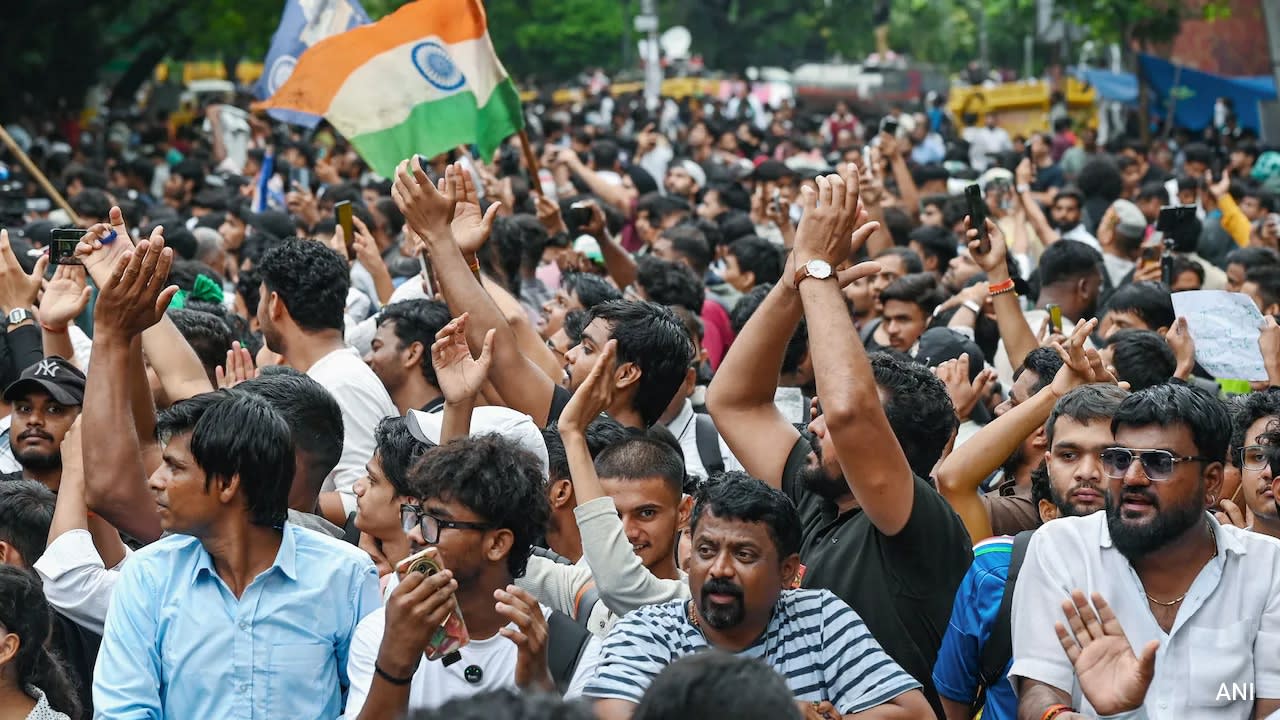
A CJP-led protest march in Delhi demanding the Education Minister's resignation turned violent, resulting in widespread injuries to both police and demonstrators. The unrest culminated in the detention of protesters and the hospitalization of activist Sonam Wangchuk.
Turmoil in the Capital: The CJP-Led March Turns Violent
The political landscape in New Delhi witnessed a volatile confrontation on Monday as a march organized by the CJP (Campaign for Judicial and Political Reform) descended into widespread chaos. What began as a demonstration demanding the resignation of Education Minister Dharmendra Pradhan quickly escalated into a scene of teargas, lathi-charges, and physical altercations. As protesters sought refuge in the historic Gurdwara Bangla Sahib, the divide between the state's enforcement measures and the demonstrators' resolve became starkly apparent.
Escalation and the Security Response
According to official reports from the Delhi Police, the situation deteriorated rapidly when the demonstration shifted from a peaceful march to acts of large-scale violence. The authorities reported that over 118 police personnel, including senior officers, sustained injuries due to stone-pelting and the use of other objects by the crowd. The police characterized the behavior of the protesters as unruly and aggressive, noting that they breached barricades and vandalized both public and government property despite explicit prohibitory orders in force.
The Human Cost of the Confrontation
Amidst the clamor of sirens and the stinging effects of teargas, the human toll of the day’s events was significant. Protesters, many of whom were seen clutching handkerchiefs to protect themselves, reported being caught in the crossfire of a heavy police response. Official statements confirmed that approximately 60 protesters were injured during the scuffle, with 70 individuals subsequently taken into custody. The emotional impact was underscored by accounts of parents distraught over their children’s involvement, highlighting the intensity of the struggle.
The Fate of Sonam Wangchuk
Central to the narrative of the protest was the presence of activist Sonam Wangchuk, whose supporters carried placards in his name throughout the march. His role in the movement drew significant attention, ultimately leading to his removal from the protest site by law enforcement. The Delhi Police confirmed that Wangchuk was shifted to Safdarjung Hospital, though the specific circumstances surrounding his medical status following the dispersal of the crowds remain a focal point of the ongoing discourse regarding the protest.
Broader Implications for Political Dissent
This incident highlights the growing friction between political advocacy groups and the administrative machinery in India's capital. The demand for the resignation of a high-ranking cabinet member reflects deep-seated grievances within certain segments of the populace, while the government’s reliance on prohibitory orders and heavy force to maintain order suggests a hardened stance against such public demonstrations. The damage to public property and the injury of law enforcement officials will likely lead to a protracted legal battle and intensified scrutiny of the protest organizers.
Future Trends in Public Demonstrations
Looking ahead, the events at Parliament Street may serve as a harbinger for more restrictive measures regarding public gatherings in New Delhi. As both sides—the protesters and the authorities—harden their positions, the likelihood of peaceful resolution diminishes, potentially leading to more frequent clashes. The reliance on sites like Gurdwara Bangla Sahib as a sanctuary for protesters during such conflicts reflects the desperation of the demonstrators, indicating that the core issues driving the protest are unlikely to be resolved through administrative detention alone.
Multiple Citing Sources
Verification Required?