Reports claiming Pradhan quit after CJP rejected proposal for portfolio change 'baseless', says BJP
Source Entity
India Latest News: Top National Headlines Today & Breaking News | The Hindu
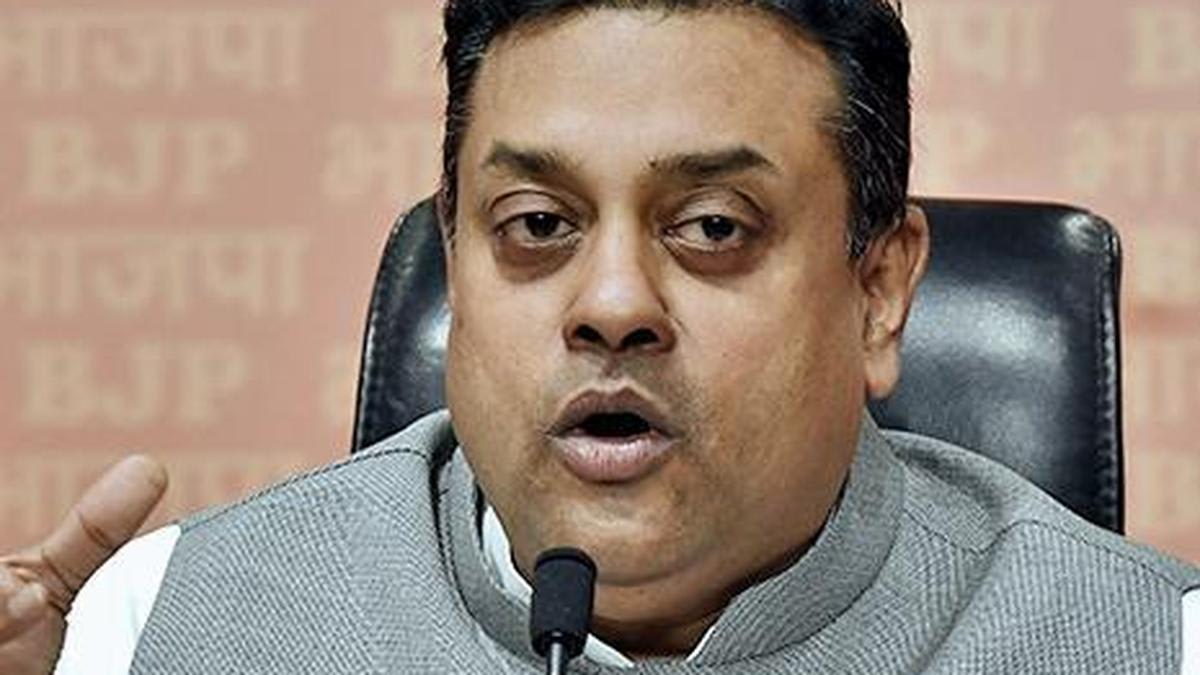
Former Union Education Minister Dharmendra Pradhan's tenure is under scrutiny following his resignation amid widespread exam paper leak protests. Meanwhile, the Odisha government faces backlash over textbook inaccuracies, highlighting a broader crisis in educational administration and exam integrity.
The Legacy and Turbulence of Dharmendra Pradhan’s Tenure
Dharmendra Pradhan’s tenure as Union Education Minister concludes under a complex shadow. While his previous success in the Petroleum Ministry—notably delivering eight crore LPG connections to impoverished households ahead of schedule—established a reputation for aggressive target-oriented implementation, his performance in the education sector has been defined by a starkly different set of challenges. His primary mandate was the operationalization of the National Education Policy (NEP) 2020, a foundational document intended to overhaul India's academic landscape.
The Reform Agenda vs. Implementation Realities
Pradhan’s office spearheaded a flurry of initiatives, including the National Curriculum Framework (NCF), a push for multidisciplinary learning, and the ambitious Vikshit Bharat Shiksha Abhiyan (VBSA), which sought to replace the UGC in higher education. Additional efforts included the rollout of PM SHRI schools and the promotion of the three-language formula. However, these structural reforms were increasingly overshadowed by systemic failures in examination integrity, culminating in significant public protests at Jantar Mantar that ultimately precipitated his resignation.
The Crisis of Credibility in Odisha
Beyond the federal level, the repercussions of administrative instability are being felt in Odisha. Former Chief Minister Naveen Patnaik has publicly pressured School and Mass Education Minister Nityananda Gond to resign, drawing a direct parallel to Pradhan’s departure. The current administration under Mohan Majhi is reeling from the detection of 1,678 errors in school textbooks for the 2026–27 academic session. Despite the formation of a high-level committee led by Development Commissioner D.K. Singh, the continued use of these flawed materials has sparked severe public embarrassment and political outcry.
Patterns of Failure: The Paper Leak Epidemic
The issue of academic integrity remains a recurring theme across Indian states. Following the national-level protests that led to Pradhan’s exit, a fresh case of a suspected paper leak has surfaced at Gujarat Ayurved University (GAU) in Jamnagar. The incident, involving the ‘Shalya Tantra-1’ paper, has drawn sharp criticism from opposition leaders like Jairam Ramesh, who highlighted the frequency of these events. The BJD has also pointed to 23 unpunished paper leak incidents in Odisha over the past two years, characterizing the situation as a systemic failure of accountability.
Future Trends and Administrative Challenges
Looking ahead, the education sector faces a dual crisis: a struggle to maintain the sanctity of examination processes and a decline in the quality of core educational materials. The transition from policy formulation to effective, error-free implementation remains the greatest hurdle for the current leadership. As public trust wanes, future administrations will need to prioritize institutional reforms that move beyond ideological shifts to ensure basic administrative competence—such as accurate textbook production and secure exam logistics—to prevent further erosion of the national educational standard.
Multiple Citing Sources
Verification Required?