YouTuber Dhruv Rathee faces fresh bailable warrants in 2018 defamation case
Source Entity
ABHISHEK MISHRA
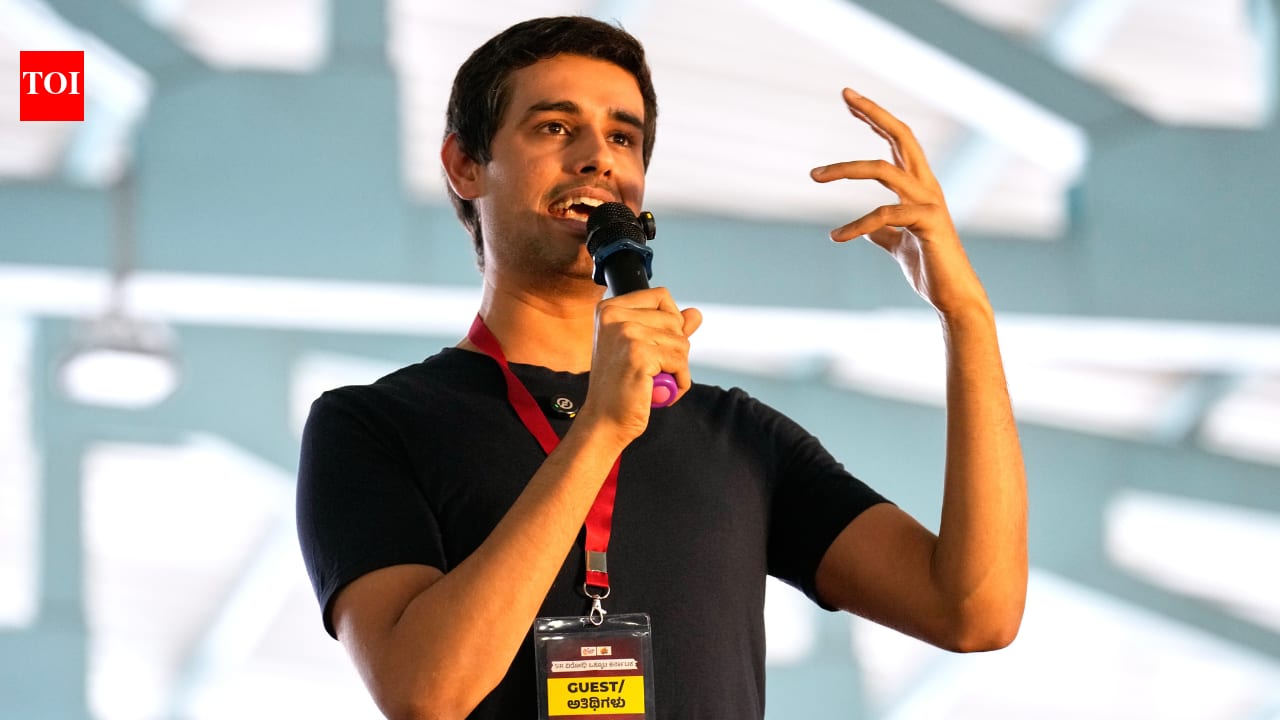
A Delhi court has issued fresh bailable warrants against YouTuber Dhruv Rathee regarding a 2018 defamation case filed by Vikas Sanskrityayan. The warrants follow unsuccessful attempts to serve legal notice at the creator's residence.
Legal Developments in the Dhruv Rathee Defamation Case
A Delhi court, presided over by Judicial Magistrate Rahul Jain, has issued fresh bailable warrants against popular YouTuber Dhruv Rathee. This development marks a significant escalation in a long-standing 2018 defamation lawsuit initiated by Vikas Sanskrityayan, also known as Vikas Pandey. The legal action stems from allegations that Rathee published defamatory content regarding the complainant in a video uploaded to his digital platform.
The Procedural Context
The issuance of these warrants follows a series of procedural challenges in serving legal notice to the accused. On October 17, the court initially issued bailable warrants after a process server was unable to deliver documentation because Rathee’s residence was reported as locked. The court’s subsequent decision to issue fresh warrants underscores the judiciary's adherence to due process, ensuring that the defendant is compelled to appear or respond to the allegations leveled against him in a court of law.
Challenges in Jurisdiction and Service
A critical aspect of this case involves the logistical difficulties of serving legal process to a public figure who maintains a residence abroad. Reports indicate that while Rathee has a registered address in Gurugram, Haryana, he is known to reside in Austria. The legal proceedings have been complicated by these jurisdictional hurdles, as advocates for the complainant have noted his frequent travel and residency patterns, which have hindered the standard delivery of court summons.
The Nature of Digital Defamation
This case sits at the intersection of digital media influence and traditional judicial accountability. As YouTubers and social media influencers command massive audiences, the legal landscape regarding 'online defamation' continues to evolve. The 2018 filing highlights the ongoing friction between content creators and individuals who seek legal recourse when they believe their reputation has been compromised by digital commentary.
Broader Implications for Digital Media
The case serves as a broader reminder of the legal risks associated with content creation in the digital age. Regardless of a creator's reach or platform, they remain subject to the jurisdiction of the courts where their content is accessed and where the alleged harm occurs. This litigation may set a precedent for how future defamation claims against digital media personalities are handled, particularly concerning the service of process and the accountability of creators who may not be physically present in the jurisdiction where the case is filed.
Future Outlook
As the court awaits further developments, the focus remains on whether the fresh warrants will effectively bring the matter into a more active phase of litigation. The persistence of the complainant in pursuing this 2018 case demonstrates a commitment to judicial resolution, while the court’s issuance of fresh warrants signals that the legal process will continue to move forward despite the challenges in securing the defendant's immediate presence.