Dhruv Rathee defamation case: Delhi Court issues fresh bailable warrants
Source Entity
India Latest News: Top National Headlines Today & Breaking News | The Hindu
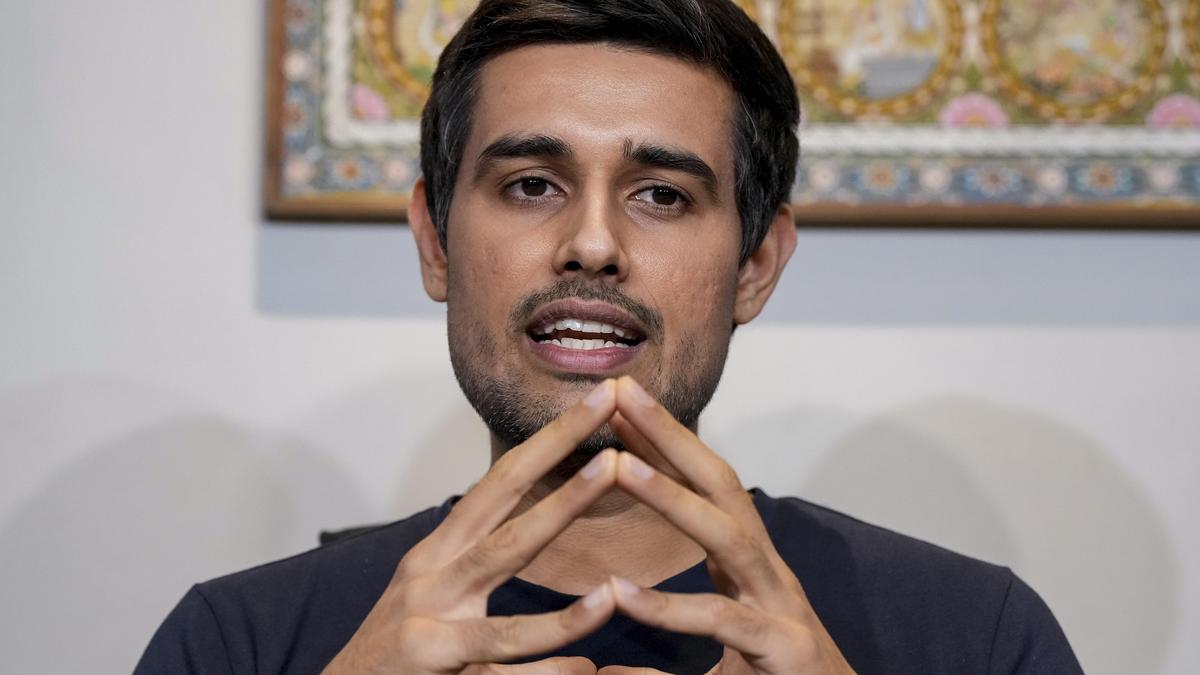
A Delhi court has issued fresh bailable warrants against YouTuber Dhruv Rathee in a 2018 defamation case filed by Vikas Sanskrityayan. The court took this action after previous attempts to serve notice at his residence were unsuccessful.
Legal Developments in the Dhruv Rathee Defamation Case
The Judicial Action
On Saturday, October 31, 2026, Judicial Magistrate Rahul Jain of a Delhi Court issued fresh bailable warrants against prominent YouTuber Dhruv Rathee. This development marks a significant escalation in a long-standing legal dispute initiated in 2018 by complainant Vikas Sanskrityayan, also known as Vikas Pandey. The case centers on allegations of defamation stemming from content published on Rathee’s YouTube channel, which the complainant claims damaged his reputation.
Procedural Hurdles and Notice Delivery
The issuance of these fresh warrants follows a series of unsuccessful attempts by the judiciary to ensure Rathee’s presence in court. On October 17, initial bailable warrants were issued after a process server reported that the YouTuber’s residence was locked, rendering the service of notice impossible. The court had also attempted to reach him via fresh summons sent to his address in Gurugram, Haryana. The difficulty in serving these legal documents highlights the logistical challenges courts face when dealing with digital content creators who may have transient living arrangements or residences abroad.
Jurisdictional and Residency Context
A key element influencing these proceedings is the information presented by advocate Samaksh Sharma, representing the complainant. During the hearing, it was submitted that Rathee ordinarily resides in Austria, though he had reportedly returned to India at one point for activities related to the 'Cockroach Janata Party.' This international aspect of the defendant's residency complicates the standard service of judicial processes, as the court must navigate the complexities of international legal cooperation and the physical absence of the accused from the local jurisdiction.
Broader Implications for Digital Content Creators
This case serves as a poignant reminder of the evolving intersection between digital media and Indian defamation law. As content creators command larger audiences, their susceptibility to legal challenges increases. The 2018 origin of this case suggests that the judiciary is working through a backlog of disputes involving digital expression, signaling that creators remain tethered to the legal consequences of their online output years after the fact.
Future Trends in Online Defamation
Looking ahead, the persistent efforts of the Delhi Court to enforce its warrants indicate a strict adherence to procedural compliance. As the digital landscape continues to expand, it is likely that Indian courts will continue to refine methods for serving legal notices to content creators, potentially utilizing digital service platforms or stricter residency disclosure requirements. The outcome of this case will likely set a tone for how similar defamation suits are litigated, emphasizing the necessity for creators to maintain clear lines of communication with the legal system when faced with litigation.
Multiple Citing Sources
Verification Required?