‘Communication will be dignified’: UP CEO office sorry for ‘controversial’ jibe on voter roll error
Source Entity
Maulshree Seth
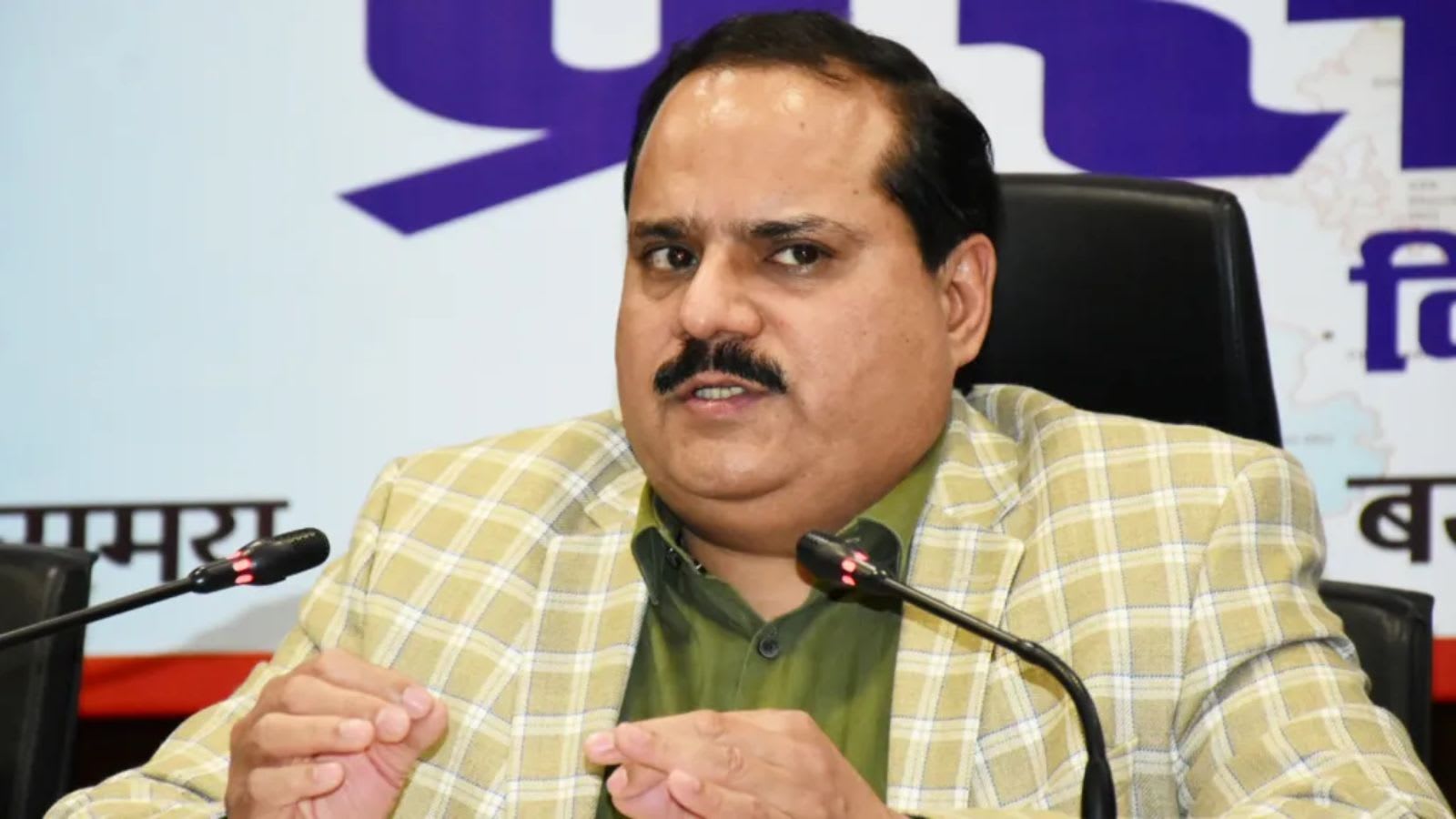
The Supreme Court is reviewing petitions questioning the Election Commission's Special Intensive Revision (SIR) process and the conduct of Chief Election Commissioner Gyanesh Kumar. Meanwhile, the UP CEO office has issued an apology for its unprofessional social media conduct regarding voter roll errors.
The Integrity of Election Processes: Scrutiny and Accountability
Recent legal and administrative developments have placed the Election Commission of India (ECI) under significant public and judicial scrutiny. At the heart of the current legal battle is a petition seeking the suspension of Chief Election Commissioner (CEC) Gyanesh Kumar, an action prompted by an investigative report alleging internal discord within the ECI. The report highlighted that Election Commissioners Sukhbir Singh Sandhu and Vivek Joshi had formally recorded disagreements 14 times over a 10-month span, raising questions about the unanimity and transparency of decision-making within the constitutional body.
The Legal Battle Over SIR Records
The Supreme Court has stepped into the fray, assuring that it will "examine everything" regarding the Special Intensive Revision (SIR) exercise. A notable group of petitioners, including the Leader of the Opposition in the Lok Sabha, Rahul Gandhi, has requested the court to direct the ECI to preserve and produce the complete records of the SIR. This request, described by petitioners as "innocuous and non-invasive," is aimed at ensuring that the data and decision-making processes underpinning voter roll revisions are transparent and legally sound.
ECI’s Defense and Constitutional Standing
In its counter-affidavit, the Election Commission has maintained a firm stance, asserting that all decisions related to the SIR were taken unanimously. Furthermore, the ECI emphasized that the CEC cannot be removed from office except through a process similar to the removal of a Supreme Court judge, highlighting the constitutional protections afforded to the office to ensure its independence. The ECI’s defense underscores the tension between maintaining institutional autonomy and the public's demand for accountability regarding the integrity of voter rolls.
Administrative Conduct and Public Trust
Parallel to the national-level legal proceedings, the Uttar Pradesh Chief Electoral Officer’s (CEO) office found itself in a public relations crisis. Following criticism regarding errors in the Legislative Council electoral roll, the office issued a formal apology for the tone of its social media engagement. The office acknowledged that its earlier responses were "inappropriate" and lacked the dignity expected of an official government entity, pledging a shift toward more formal and respectful communication in the future.
Broader Implications for Democracy
The intersection of these events—legal challenges to the ECI’s leadership, demands for transparency in electoral data, and the need for professional decorum in official communication—reflects the vital importance of public trust in democratic institutions. The Supreme Court's decision to examine these records suggests that the judiciary remains a critical check on the administrative functions of the ECI. As the hearings progress, the outcome will likely set a significant precedent for how electoral bodies manage internal disagreements and respond to allegations of procedural irregularities in voter roll maintenance.
Conclusion
The ongoing scrutiny of the Election Commission, coupled with the judicial oversight of the SIR process, marks a pivotal moment for electoral administration in India. By addressing concerns about internal dissent and ensuring the preservation of records, the legal system is actively working to fortify the credibility of the electoral process. The resolution of these petitions and the ECI's commitment to dignified, transparent communication will be essential in maintaining the public’s confidence in the fairness of future elections.
Multiple Citing Sources