In 2023, Georgia sank two retired 72-foot MARTA subway cars off Ossabaw Island; seven months later, divers found soft coral and nine game-fish species
Source Entity
Latest News: Todays Latest News Headlines from India & World | Hindustan Times
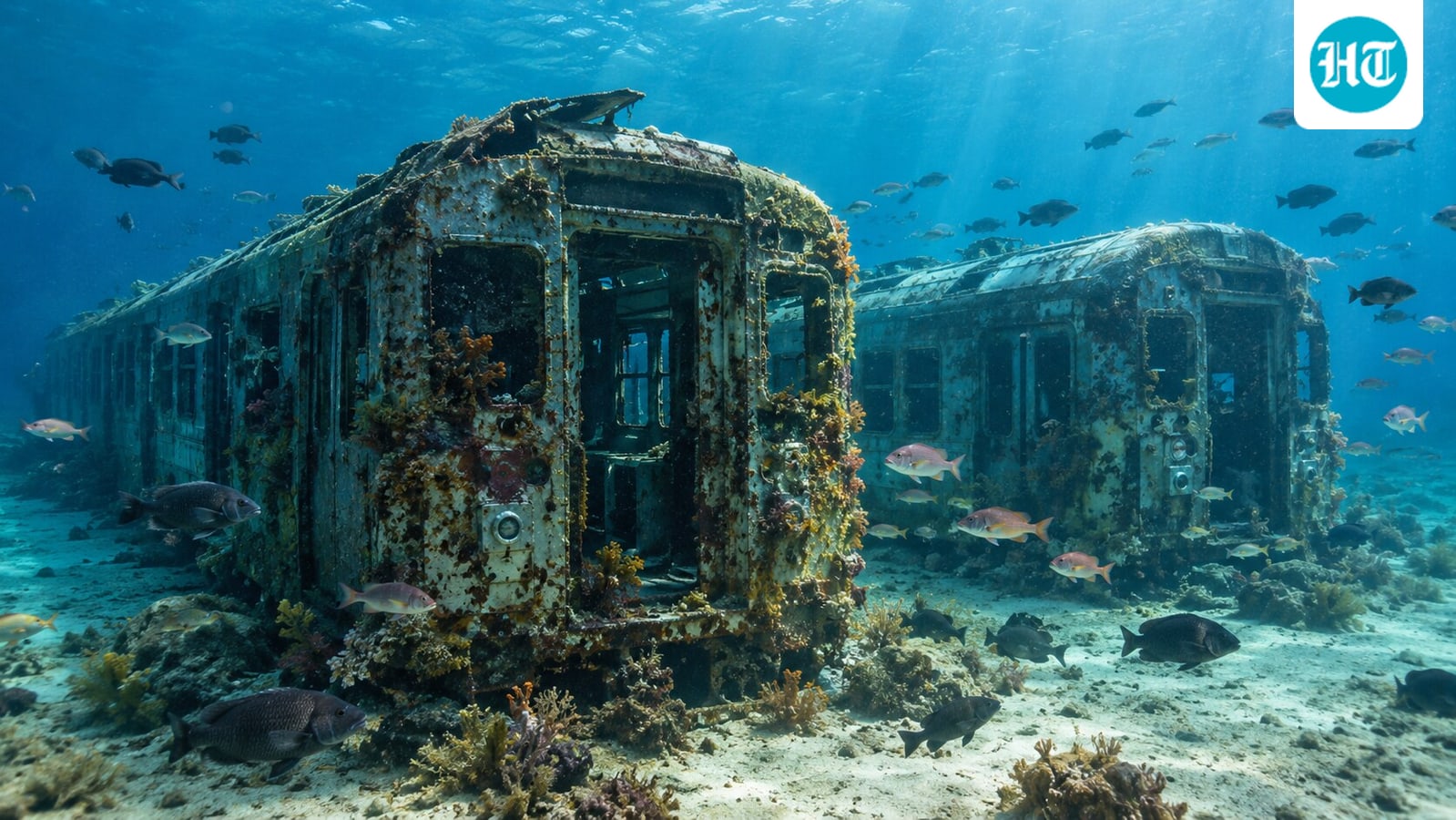
Georgia has successfully repurposed retired MARTA subway cars as artificial reefs off Ossabaw Island. Recent observations show rapid colonization by soft corals and diverse game fish species, signaling a successful environmental restoration project.
The Transformation of Urban Transit into Marine Habitats
In a unique intersection of urban infrastructure and marine biology, the state of Georgia successfully deployed two retired 72-foot MARTA subway cars into the Atlantic Ocean off the coast of Ossabaw Island in 2023. This initiative, which repurposes decommissioned transit equipment, serves as an innovative experiment in artificial reef construction. By placing these massive steel structures on the seafloor, state officials have created a new physical substrate intended to support marine biodiversity in areas where natural rocky outcroppings may be sparse.
Early Ecological Successes
Seven months following the initial deployment, a state-led dive team conducted the first official inspection of the site. The findings were remarkably positive, revealing that the subway cars are already functioning as viable ecosystems. Divers reported a significant presence of soft coral growth beginning to take hold on the steel surfaces, indicating that the materials are successfully providing a foundation for sessile organisms. Furthermore, the presence of nine species of game fish—highly sought after by anglers—demonstrates that the site is effectively attracting mobile marine life, fulfilling the primary objective of the reef program.
Structural Evolution and Environmental Adaptation
Marine biologist Cameron Brinton observed that one of the cars had experienced a partial roof collapse, a development he characterized as a typical occurrence for submerged structures of this nature. Rather than viewing this as a failure, experts recognize that the gradual degradation and physical transformation of these cars are essential to their long-term function. As the steel corrodes and the structure settles into the seabed, it creates complex nooks and crannies that provide essential shelter for various marine organisms, including those seeking refuge from predators or currents.
Future Biodiversity Projections
Beyond the current population of game fish and early-stage coral growth, the long-term outlook for the Ossabaw Island reef site remains optimistic. MARTA and state environmental agencies anticipate that the site will continue to evolve, eventually hosting a more complex web of life. Beyond the initial colonization by sponges and encrusting organisms, there is a strong expectation that the cars will become a critical habitat for endangered sea turtles, who often utilize such complex underwater structures for foraging and resting.
Broader Implications for Artificial Reefs
This project highlights a growing trend in environmental conservation: the strategic use of human-made materials to bolster declining marine habitats. By moving away from traditional disposal methods and toward repurposing, Georgia is creating a blueprint for how urban centers can contribute to coastal health. The success observed at the seven-month mark validates the methodology and suggests that such projects can provide tangible benefits to both the marine ecosystem and the recreational fishing industry, effectively turning industrial waste into ecological assets.
Verification Required?