Germany target of 'intensive' espionage, Merz says after suspected Russian spy arrest
Source Entity
BBC News
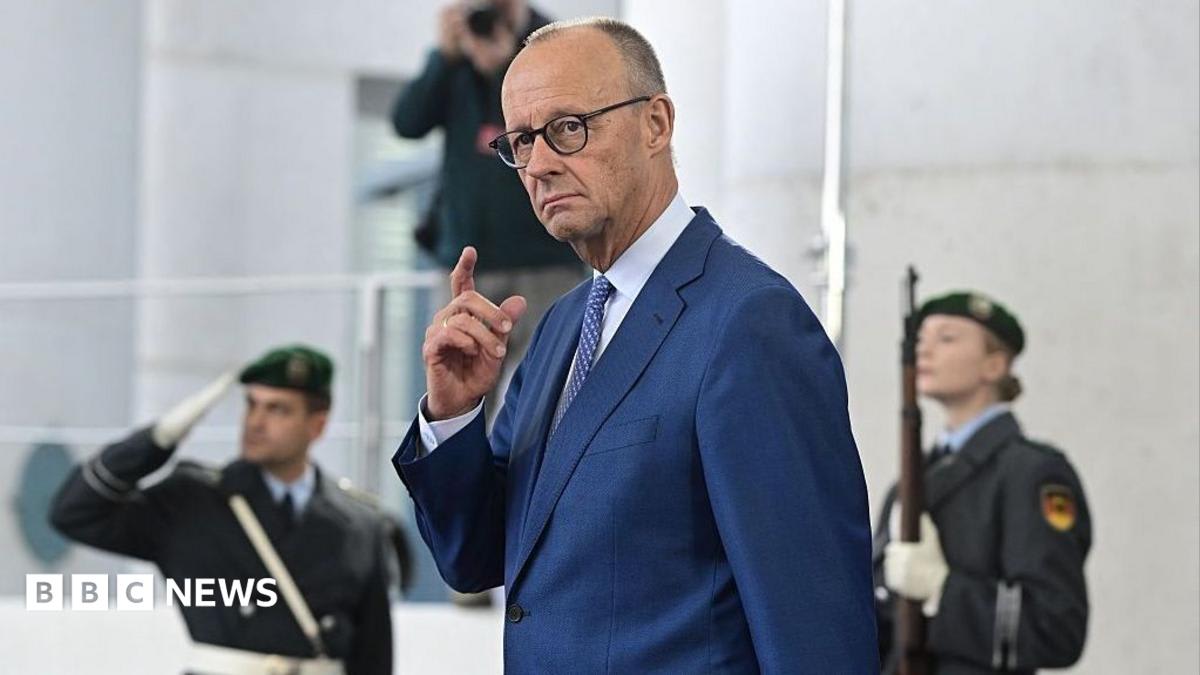
Germany has arrested a Ukrainian national on suspicion of spying for Russia, highlighting ongoing 'intensive' espionage threats. Chancellor Friedrich Merz warned that Russian intelligence activity remains at a consistently high level despite recent successes in counter-espionage.
The Escalation of Espionage in Germany
The recent arrest of a Ukrainian national, identified as Vadym Y., on suspicion of collecting military-related intelligence for Russia marks a significant development in the ongoing security challenges facing Germany. Chancellor Friedrich Merz has characterized this incident as part of an "intensive" campaign of foreign espionage targeting the nation. This arrest is not an isolated event but rather the latest in a series of similar cases this year, underscoring a persistent and sophisticated effort by foreign intelligence services to infiltrate German state and military affairs.
The Strategic Context of German Intelligence
Germany’s role as a primary European benefactor of Ukraine since the full-scale Russian invasion in 2022 has inevitably positioned it at the epicenter of Russian intelligence operations. By providing substantial military aid, Germany has become a focal point for adversaries seeking to understand the logistics, delivery timelines, and technological capabilities of the weaponry being supplied to the Ukrainian front. The suspect, Vadym Y., is alleged to have been deeply involved in gathering such military-related intelligence, demonstrating a clear operational intent to undermine German-Ukrainian defense cooperation.
The Challenge of Counter-Espionage
While Chancellor Merz praised the arrest as a "success" for German authorities, he issued a sobering warning to the public and political institutions: the threat level remains critically high. The German Federal Prosecutor General's Office has been increasingly active in responding to these threats, as evidenced by the multiple arrests of individuals allegedly acting on behalf of foreign powers throughout the year. This suggests that the current environment is one of constant vigilance, where the success of one investigation often exposes the breadth of a much wider network of active intelligence gathering.
Broader Implications for European Security
This incident highlights the broader vulnerability of European nations that have taken a firm stance against Russian aggression. The use of foreign nationals to facilitate espionage complicates traditional counter-intelligence measures, as these actors may operate under various covers. For Germany, the challenge lies in balancing its open democratic society with the necessity of hardened security protocols to protect sensitive military data. The persistent nature of these attempts suggests that Russia views the disruption of Western supply chains and military intelligence as a vital component of its broader strategic objectives.
Future Trends and Concluding Outlook
Looking ahead, it is highly probable that Germany will continue to be a primary target for espionage as long as it remains a key supplier of military aid to Ukraine. The future of German national security will likely depend on its ability to enhance inter-agency cooperation, improve digital and physical surveillance, and bolster the resilience of its military supply chains against infiltration. As the geopolitical landscape remains volatile, the German government’s acknowledgment of this "intensive" espionage environment serves as a critical signal that the era of post-Cold War complacency regarding foreign intelligence threats has definitively come to an end.