Leopard found dead with snare-like object around abdomen in Maval, probe on
Source Entity
The Indian Express
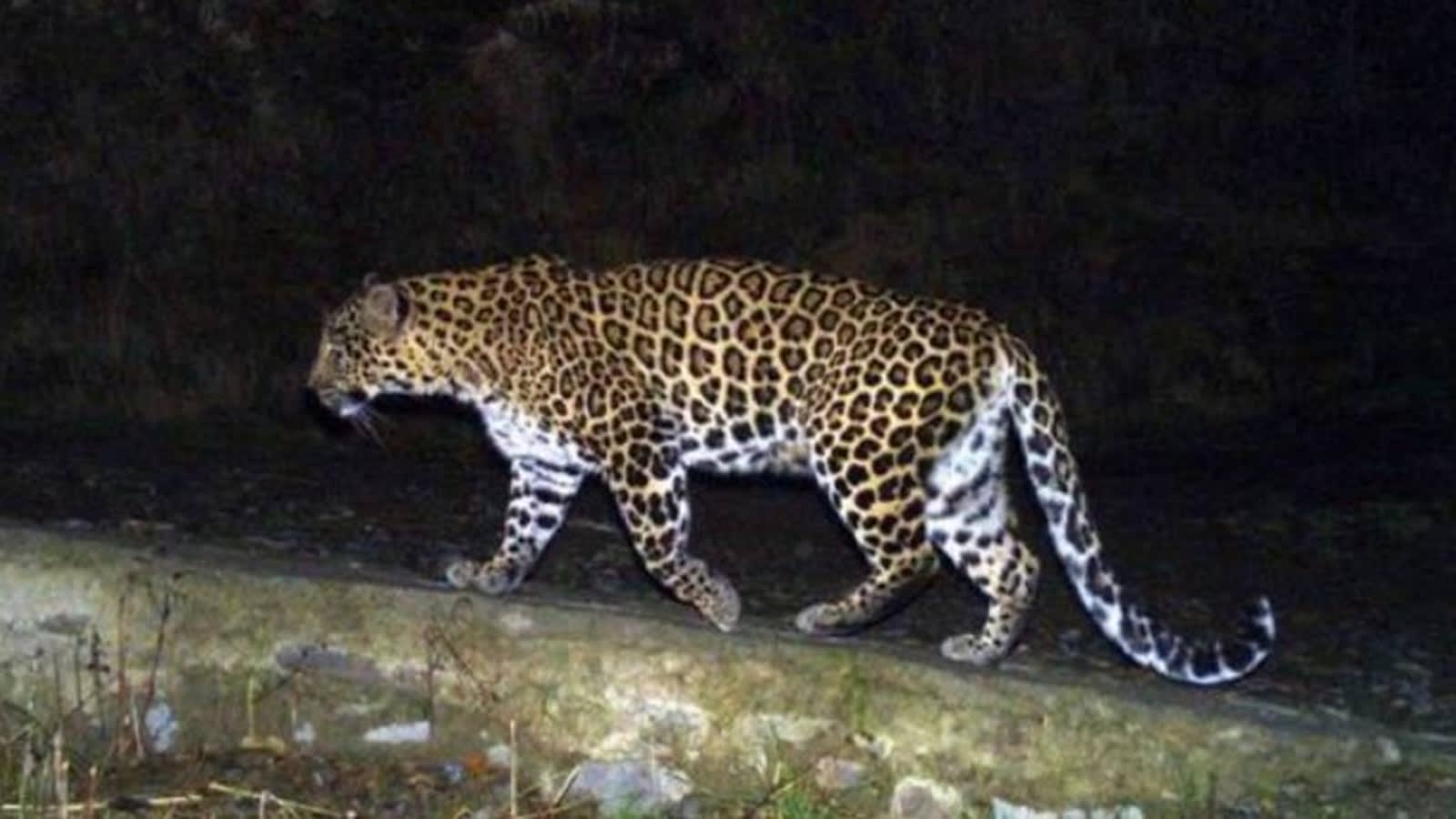
Forest departments in Tamil Nadu and Maharashtra are managing rising human-wildlife conflicts involving leopards and tigers. Recent operations include the capture of a man-eating leopard in Erode, a tiger in Gudalur, and the investigation of a leopard death in Pune.
Intensifying Human-Wildlife Conflict: A Regional Crisis
The recent surge in human-wildlife conflict incidents across India, specifically in the Erode and Nilgiris districts of Tamil Nadu and the Maval taluka of Pune, highlights a growing crisis in wildlife management. As of October 22, 2026, forest officials have been engaged in high-stakes operations to mitigate threats posed by large predators, including tigers and leopards that have encroached upon human settlements, resulting in casualties and livestock loss.
Strategic Captures in Tamil Nadu
In the Erode district, the Forest Department successfully captured a leopard in Ongalwadi, Hasanur, which was linked to the death of a man and multiple cattle kills. The operation, overseen by Deputy Director Yogesh Kumar Garg, utilized advanced technology, including 10 location-specific camera traps and a 50-person patrol team. This systematic approach allowed officials to confirm the leopard's identity through visual evidence, ensuring that the targeted animal was removed from the area. Similarly, near Gudalur in the Nilgiris, a tiger was captured following a series of fatal attacks, marking the second such operation in the region since September.
The Challenge of Coexistence
These incidents underscore the increasing pressure on forest departments to balance conservation with public safety. In Gudalur, the rise in human-wildlife conflict—involving elephants, bears, and tigers—has led to significant public unrest. The pressure from local communities often necessitates the relocation of apex predators to controlled environments, such as the Arignar Anna Zoological Park in Vandalur, as seen in the recent tiger capture. This reflects a shift from localized forest management to active, large-scale intervention to prevent further loss of life.
The Threat of Illegal Snares
While authorities work to capture problem animals, the incident in Pune’s Maval taluka reveals a darker side of the conflict: human-induced mortality. The discovery of a deceased leopard entangled in a snare-like object on farmland serves as a grim reminder of the dangers wildlife faces from illegal poaching and protective measures taken by farmers. The Forest Department's investigation into this death is crucial for understanding the extent to which illicit traps threaten regional biodiversity.
Implications and Future Trends
Moving forward, the reliance on camera traps and rapid response units indicates a modernization of forest patrolling techniques. However, the recurring nature of these incidents suggests that habitat fragmentation and the shrinking of forest corridors are forcing predators into human-dominated landscapes more frequently. Future efforts must likely focus on a combination of technological surveillance and long-term ecological restoration to prevent the need for frequent captures and relocations. The success of these interventions remains contingent on the ability of local authorities to monitor wildlife movements while addressing the legitimate safety concerns of rural populations.
Multiple Citing Sources