Iran Claims 7 Oil Tankers Attacked Overnight In Strait Of Hormuz
Source Entity
NDTV News Search Records Found 1000
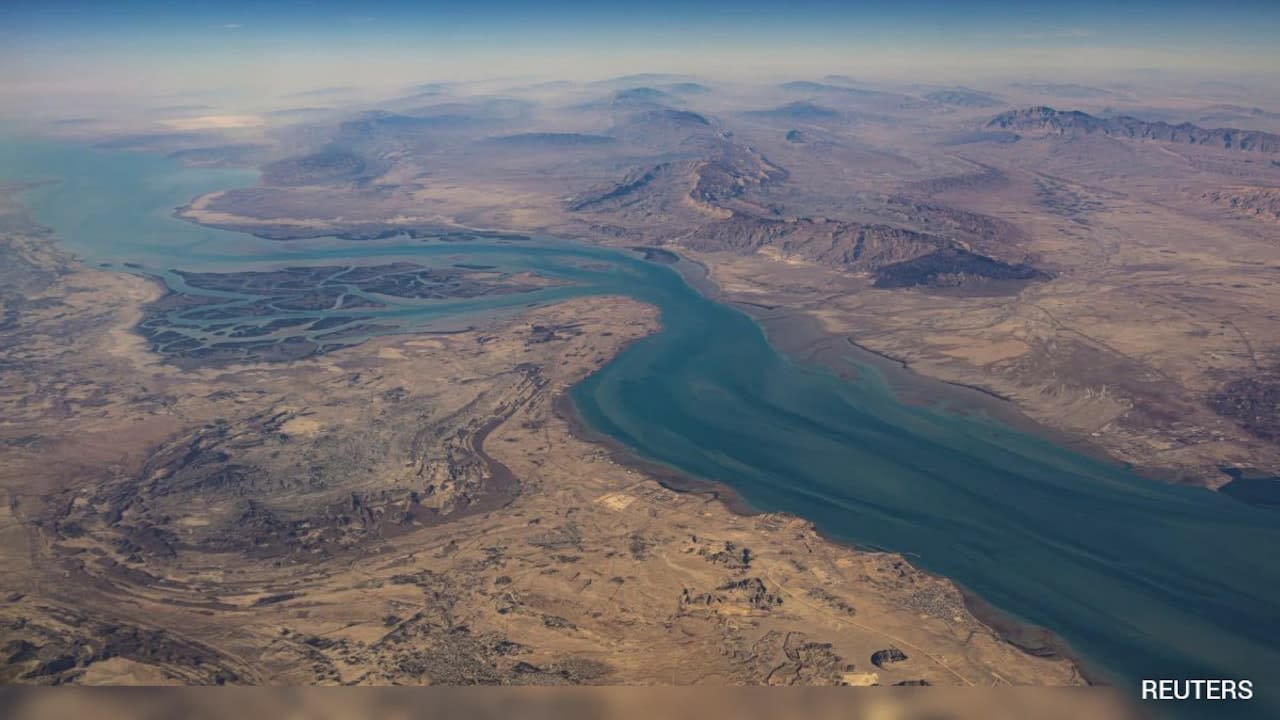
Seven oil tankers were damaged in the Strait of Hormuz following alleged attacks and naval mine strikes. Iran's IRGC has threatened U.S. bases in response to potential escalation, while tensions remain high amid reports of new leadership in Tehran.
Tensions Surge in the Strait of Hormuz: A Strategic Crisis
The Strait of Hormuz, a critical maritime chokepoint through which a significant portion of the world's oil flows, has become the site of a major security incident. Recent reports confirm that seven oil tankers have sustained significant damage, with four vessels catching fire during oil transfer operations and three others immobilized after striking naval mines. This event represents a potentially unprecedented escalation in maritime hostilities within this vital waterway.
The Role of the IRGC and Escalation Risks
The Islamic Revolutionary Guard Corps (IRGC) has been central to the reports regarding these attacks, with Iranian state media highlighting the involvement of their naval forces. By allegedly employing both direct strikes and naval mines, the perpetrators have successfully disrupted the flow of commerce and created a volatile security environment. The resulting fires and vessel immobilizations serve as a stark reminder of the vulnerability of energy infrastructure in the region.
Geopolitical Implications and U.S. Relations
This incident has significantly heightened tensions between Tehran and Washington. Iranian authorities have issued explicit warnings, suggesting that any U.S. intervention or support for the passage of vessels could lead to the targeting of American military bases in the region. This threat signals a shift from localized maritime skirmishes to a broader confrontation involving regional power projection, further complicating the already strained diplomatic landscape.
Leadership Dynamics and Diplomatic Deadlock
Amidst the chaos, there is intense scrutiny regarding Iran's internal political landscape, specifically under the leadership of Mojtaba Khamenei. Reports suggest that Tehran has refused to enter negotiations unless a specific set of seven demands is addressed through intermediaries. This hardline stance, combined with the timing of the attacks, raises questions about whether this is a calculated effort by the new leadership to assert dominance over the oil corridor and test the resolve of the incoming U.S. administration under Donald Trump.
Future Trends and Regional Stability
If these reports are fully verified, the scale of this attack—the largest single-day damage to vessels in the region since the Iran-Iraq war era—will necessitate a reassessment of maritime security protocols. The combination of naval mining and direct targeting suggests a sophisticated approach to asymmetrical warfare. As international stakeholders watch closely, the potential for further disruption to global energy markets remains high, with the situation in the Strait of Hormuz acting as a primary barometer for future Middle Eastern stability.
Multiple Citing Sources
Verification Required?