Global Investments In Nuclear Fusion Surge 69% To $4.5B
Source Entity
Yahoo Finance
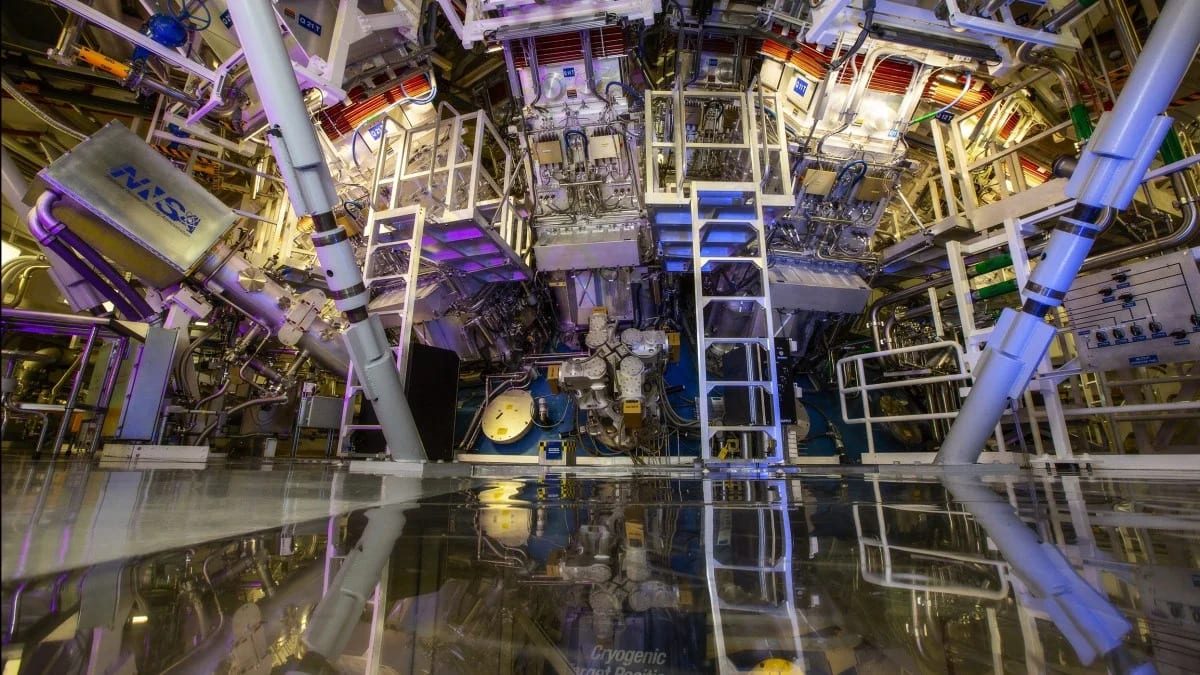
Global private investment in nuclear fusion reached a record $4.48 billion in 2025, driven by AI data center energy needs. With 71% of companies targeting commercial power by the 2030s, firms like Helion Energy are already securing power agreements with tech giants like Microsoft.
The Dawn of the Fusion Era: Analyzing the $4.5 Billion Investment Surge
Global private investment in nuclear fusion has reached a historic inflection point, surging 69% to hit a record $4.48 billion in 2025. This massive influx of capital signals a fundamental shift in how the private sector perceives the viability of fusion energy. No longer viewed as a distant scientific curiosity, fusion is now being treated as a critical infrastructure priority. This surge is not merely a trend in venture capital but a strategic response to the escalating energy requirements of the modern digital economy.
The AI Catalyst and Energy Infrastructure
One of the primary drivers behind this investment boom is the exponential growth of artificial intelligence. AI data centers require immense amounts of electricity to power the high-performance computing clusters necessary for training and deploying large language models. As these facilities scale, traditional energy grids are struggling to keep pace, creating a desperate need for high-density, carbon-free baseload power. Nuclear fusion, which promises nearly limitless energy without the long-lived radioactive waste of traditional fission, has emerged as the ultimate long-term solution for tech giants seeking to sustain their AI ambitions while meeting sustainability goals.
Energy Security in a Volatile World
The surge in funding is also deeply rooted in rising global energy security concerns. In an era of geopolitical instability, nations and corporations are increasingly wary of dependence on volatile fossil fuel markets and fragile international supply chains. Fusion energy offers a path toward total energy independence, as the fuel sources required for fusion are abundant and globally accessible. By investing heavily now, private entities are hedging against future energy crises and positioning themselves to control the most stable and powerful energy source known to physics.
From Theory to Commercial Reality
According to the Fusion Industry Association (FIA), there is a growing consensus regarding the timeline for commercialization, with approximately 71% of fusion companies now expecting to deliver power to the grid by the 2030s. This represents a significant acceleration in confidence compared to previous decades, where fusion was often joked to be "always 30 years away." This shift in sentiment is transforming the industry from one of pure research and development to one of industrial scaling and commercial deployment.
Tangible Infrastructure and Power Purchase Agreements
This confidence is manifesting in concrete business operations, specifically through site selection and the ink of Power Purchase Agreements (PPAs). The transition from theoretical physics to commercial utility is most evident when fusion companies begin securing the land and the buyers for their future output. These PPAs serve as a critical financial instrument, providing fusion startups with the guaranteed future revenue needed to attract further investment and build out the massive physical infrastructure required for fusion reactors.
The Microsoft-Helion Benchmark
A landmark example of this trend is the first-of-its-kind agreement between Helion Energy and Microsoft Corp. By committing to supply Microsoft with at least 50 megawatts of power, Helion has moved beyond the laboratory phase into a formal commercial partnership. This deal is a bellwether for the industry, proving that the world's largest technology companies are willing to bet on fusion to power their future operations. It sets a precedent that other tech conglomerates are likely to follow, potentially triggering a competitive race to secure fusion energy contracts.
Summary and Future Outlook
In conclusion, the rise to $4.48 billion in private investment marks the beginning of the commercial fusion age. Driven by the hunger of AI data centers and the necessity of energy security, the industry is rapidly moving toward a 2030s grid-delivery target. As more PPAs are signed and infrastructure is established, the synergy between the tech sector and fusion energy will likely accelerate, potentially redefining the global energy landscape within the next decade.