Driver protection will define future of video telematics
Source Entity
Latest News: Today's Latest News Headlines from India & World | Hindustan Times | Hindustan Times
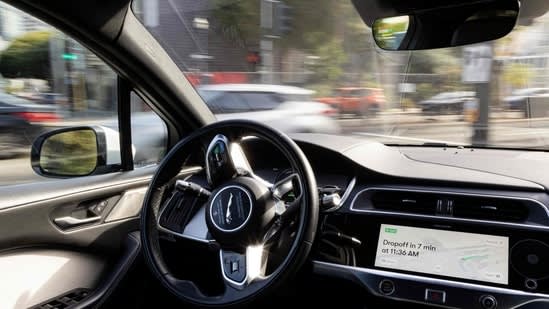
Soumik Ukil of LightMetrics advocates for shifting video telematics from a tool of surveillance to one of driver protection. This transition is framed as essential to addressing India's critical road safety crisis and high fatality rates.
Redefining Surveillance: The Evolution of Video Telematics in India
The integration of video telematics in commercial fleets has long been a point of contention between fleet managers and drivers. As highlighted by Soumik Ukil, CEO of LightMetrics, the primary friction point is the perception of the in-cab camera as a tool for constant surveillance—a 'Big Brother' mechanism designed to catch mistakes rather than prevent them. This psychological barrier is significant, as drivers often feel their professional autonomy is compromised by a system that prioritizes monitoring over support. However, the conversation is shifting from whether these tools should exist to how they should be implemented to foster a culture of safety and trust.
The Urgency of the Indian Road Safety Crisis
The necessity for advanced telematics is underscored by harrowing statistics provided to the Indian Parliament. In 2024, India recorded a staggering 4,87,705 road accidents resulting in 177,177 fatalities. These figures represent a public health crisis that demands immediate technological intervention. A critical driver of these tragedies is over-speeding, which was linked to a massive portion of these incidents. When fatalities reach such a scale, the debate over driver privacy must be balanced against the absolute necessity of reducing preventable deaths through real-time intervention and data-driven safety protocols.
Overcoming the 'Monitoring' Stigma
To successfully deploy video telematics, the industry must pivot away from the 'punitive model.' When technology is used solely to penalize drivers for infractions, it creates a hostile work environment and encourages drivers to find ways to bypass or disable the systems. The analysis suggests that for telematics to be effective, it must be rebranded as a protective shield. By framing the camera as a tool that can provide objective evidence to exonerate a driver in the event of an accident caused by a third party, the technology becomes an asset to the driver rather than a liability.
Toward a Fairer Understanding of Road Dynamics
Beyond simple event triggers, the future of video telematics lies in the ability to provide a 'fairer way to understand what happens on the road.' This involves moving toward contextual analysis—where the system doesn't just flag a hard brake, but analyzes the surrounding traffic to determine if that brake was a necessary safety maneuver. By implementing AI that understands the nuances of Indian road conditions, fleets can differentiate between reckless behavior and defensive driving, thereby rewarding safe drivers and providing targeted training to those who actually need it.
Broader Implications and Future Trends
Looking forward, the shift toward driver-centric telematics is likely to influence insurance premiums and regulatory frameworks in India. As data becomes more reliable and 'fair,' we can expect a move toward usage-based insurance (UBI) for commercial fleets, where drivers with proven safety records benefit from lower costs. Furthermore, the integration of these systems will likely lead to more sophisticated driver-assistance systems (ADAS) tailored for the chaotic environment of Indian highways, potentially reducing the impact of over-speeding through automated alerts and speed governors.
Conclusion: Balancing Safety and Dignity
Ultimately, the future of video telematics in India will be defined by the balance between corporate safety mandates and driver dignity. The transition from monitoring to protection is not merely a marketing shift but a strategic necessity. By anchoring technology in the goal of ensuring every driver 'gets home safely,' the industry can overcome resistance and implement the life-saving tools required to curb the devastating road accident statistics seen in 2024.
Verification Required?