Nvidia’s China opening could unlock surprise earnings upside
Source Entity
Yahoo Finance
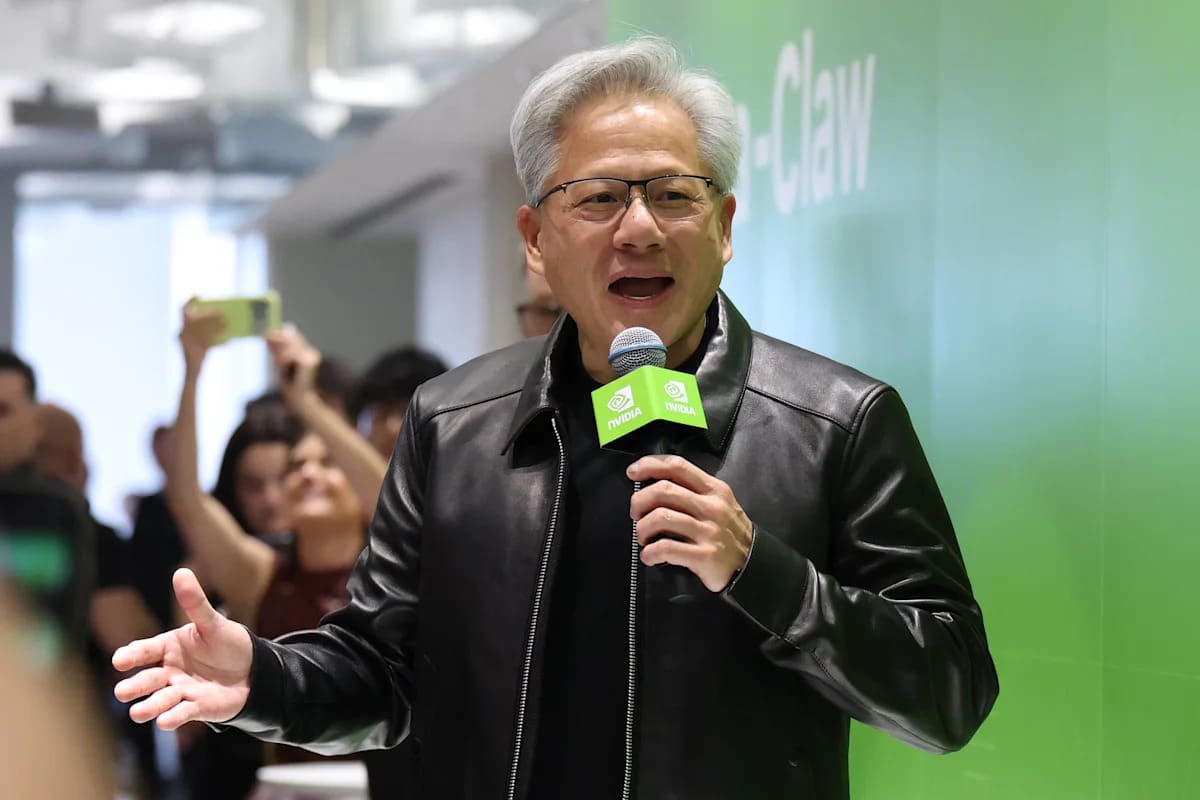
Nvidia may see unexpected earnings growth as it begins limited shipments to China, potentially including H200 licenses. However, strong demand from US cloud providers and sovereign AI projects ensures growth remains robust regardless of Chinese market recovery.
Nvidia's Strategic Pivot: Analyzing the China Market Optionality
Nvidia continues to navigate a complex geopolitical landscape, balancing stringent U.S. export controls with the massive demand for AI compute power in China. Recent reports indicate that the company is beginning to reopen channels in the Chinese market, which could provide a significant, albeit uncertain, upside to its earnings. Because investors have largely priced in a scenario where Nvidia earns zero revenue from Chinese data-center compute sales, any successful penetration of this market now acts as a financial catalyst rather than a baseline expectation.
The H200 License Path and Market Entry
A critical component of this potential upside is the development of a working license path for the H200 chips, as confirmed by Reuters. While Nvidia has characterized initial shipments as "very few" and has refrained from setting concrete revenue goals for the region, the mere existence of a viable path for H200 distribution suggests a strategic attempt to maintain a footprint in one of the world's largest tech ecosystems. This cautious approach allows Nvidia to test the regulatory waters without over-committing resources to a market that remains subject to sudden policy shifts by the U.S. government.
Diversification Beyond the Chinese Market
Crucially, the analysis reveals that Nvidia's current growth trajectory is not dependent on Chinese demand. The company has successfully diversified its revenue streams, finding massive momentum through U.S. cloud service providers, enterprise-level AI adoption, and the rise of "sovereign AI" projects—where nations invest in their own domestic AI infrastructure to ensure data sovereignty. This diversification proves that the global appetite for AI acceleration is so immense that the loss of a major market like China has not hindered Nvidia's overall ascent.
Optionality vs. Rescue: A Financial Perspective
From an investment standpoint, the return to China is framed as an "optionality narrative" rather than a "rescue story." In a rescue scenario, a company would be desperately seeking new markets to offset failing core business units. In contrast, Nvidia is operating from a position of extreme strength. The ability to re-enter China is a "bonus" or an "option" that could drive surprise earnings beats, but it is not a requirement for the company's survival or continued growth. This distinction is vital for shareholders, as it lowers the risk profile associated with geopolitical volatility.
Profitability and Infrastructure Dominance
The financial health of the company is further underscored by its impressive non-GAAP gross margin of 75%. This level of profitability demonstrates the immense pricing power Nvidia holds within the AI infrastructure layer. By maintaining high margins while expanding its reach, Nvidia is not just selling hardware but is essentially taxing the entire AI revolution. The combination of high margins and expanding market access—even in limited capacities—positions the company for sustained long-term dominance.
Conclusion: The Path Forward
In summary, while the extent of Nvidia's potential earnings upside in China remains uncertain, the strategic move toward H200 licensing represents a calculated risk with high rewards. By anchoring its growth in U.S. cloud providers and sovereign AI initiatives, Nvidia has insulated itself from regional shocks. Any successful expansion back into China will simply serve as an accelerant to an already powerful growth engine, further cementing Nvidia's role as the backbone of the global AI economy.