Cement-concrete roads to replace asphalt in Gujarat cities: Government
Source Entity
Parimal A Dabhi
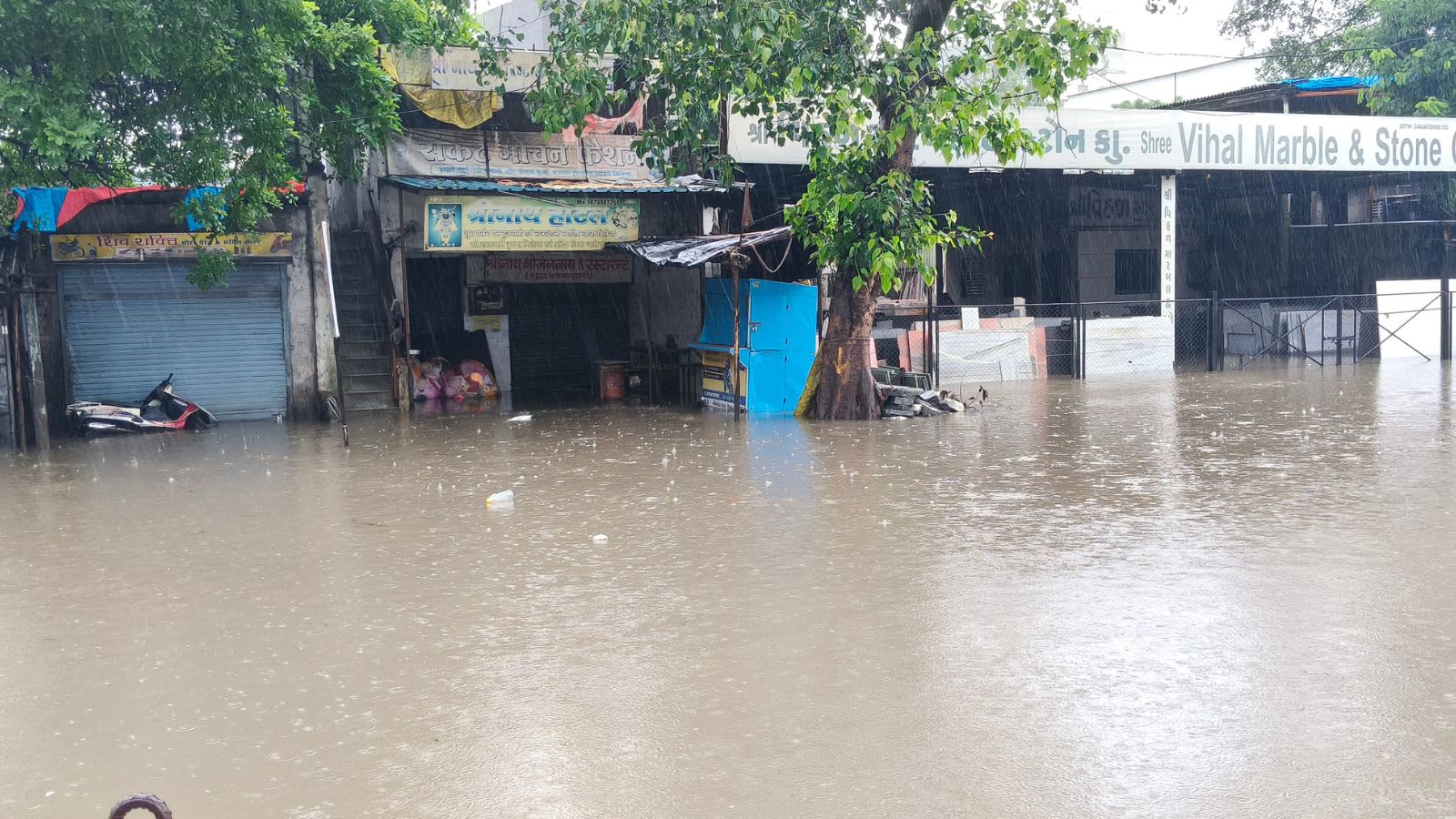
The Gujarat government has mandated that all future internal municipal roads be constructed using cement-concrete instead of asphalt. This policy shift aims to provide a durable, weather-resistant infrastructure solution to mitigate road damage caused by heavy rainfall.
Gujarat Shifts to Cement-Concrete Infrastructure
In a significant policy shift, the Gujarat state cabinet, led by Chief Minister Bhupendra Patel, has mandated that all new internal roads within municipal corporations and municipalities will henceforth be constructed using cement-concrete (CC) rather than traditional asphalt. This decision, communicated by government spokesperson Jitu Vaghani, marks a strategic pivot in urban infrastructure management aimed at addressing long-standing issues with road longevity and maintenance in the state.
Addressing the Asphalt Vulnerability
For years, asphalt roads in Gujarat have faced recurring structural damage during the monsoon season. Heavy rainfall frequently leads to potholes, surface degradation, and high maintenance costs, causing significant inconvenience to the public. By transitioning to cement-concrete, the state government is seeking a "permanent remedy" to these seasonal challenges, prioritizing structural integrity over the lower initial costs associated with bituminous surfaces.
Economic and Functional Trade-offs
While the government acknowledges that the capital expenditure for cement-concrete roads is higher than that of asphalt, the decision is justified by long-term durability. CC roads are inherently more robust, capable of withstanding heavy vehicular traffic and adverse weather conditions with significantly less frequent repair cycles. This lifecycle-cost approach suggests that the initial investment will be offset by the reduction in recurring maintenance expenses and the prevention of frequent road closures.
Broader Implications for Urban Development
This directive reflects a broader trend in Indian urban planning, where states are increasingly moving away from temporary fixes toward climate-resilient infrastructure. As Gujarat continues to undergo rapid urbanization, the quality of internal connectivity becomes vital for economic efficiency. By standardizing CC roads, the state is effectively setting a new benchmark for municipal engineering that prioritizes long-term utility.
Future Trends and Sustainability
Looking ahead, this policy signals that durability and resilience will be the primary metrics for future public works projects in Gujarat. The shift is likely to influence urban planning models throughout the state, potentially serving as a blueprint for other regions facing similar challenges with monsoon-related infrastructure decay. As the implementation begins, the focus will likely shift toward ensuring the quality of materials and the efficiency of the construction process to maximize the benefits of this transition.