For new drugs, scientists turn to the microbes inside the body
Source Entity
Latest News: Todays Latest News Headlines from India & World | Hindustan Times | Hindustan Times
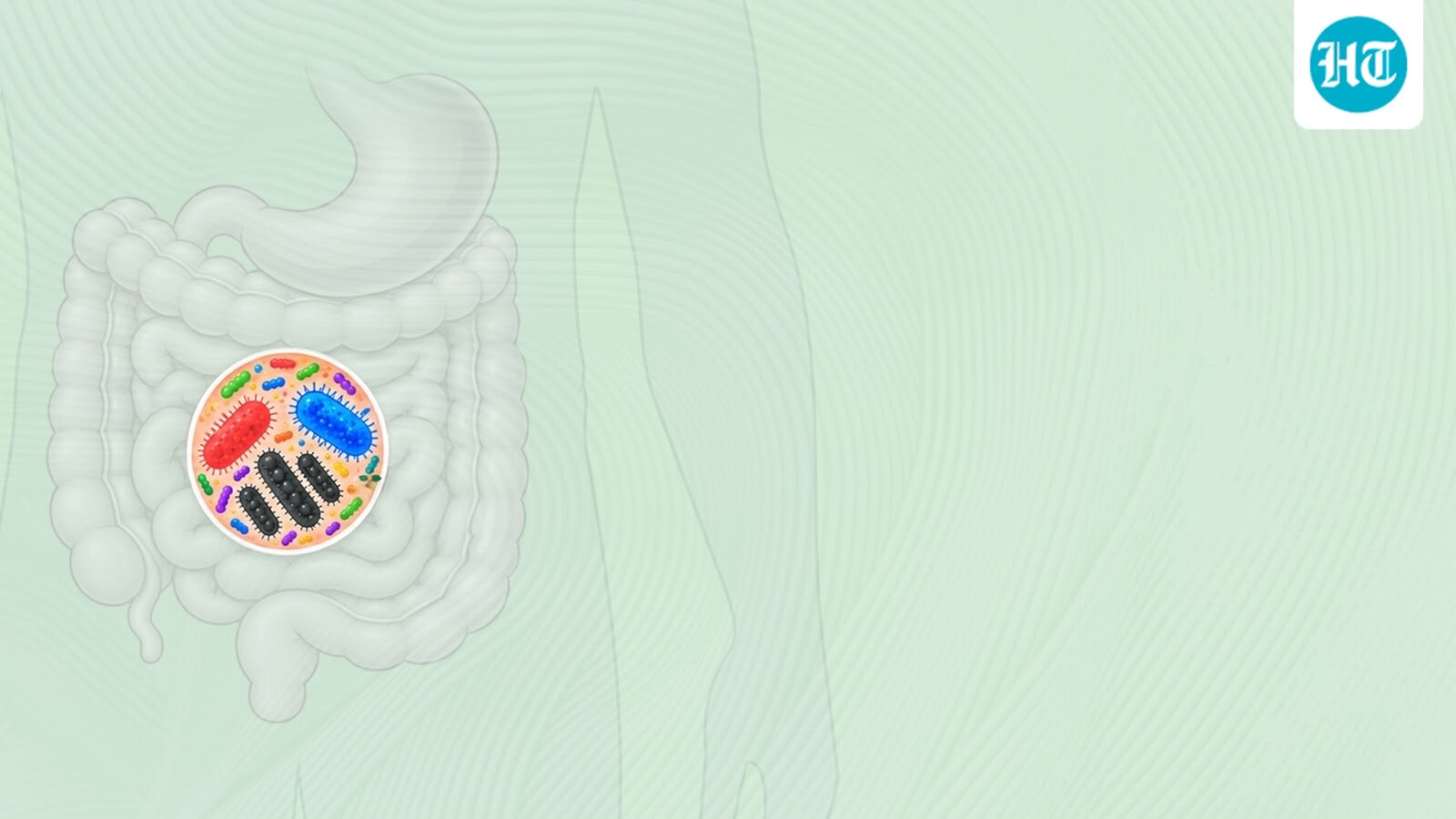
Researchers have identified that the gut bacterium Bacteroides uniformis produces a molecule that regulates cholesterol levels similarly to statins. This discovery highlights the growing potential for gut-microbiome-derived treatments to address various human health conditions.
The Microbiome as a Frontier for Pharmaceutical Innovation
Recent scientific advancements published in Nature have shed light on the profound influence of the human gut microbiome on systemic health. A team from Sun Yat-sen University in Shenzhen has identified that Bacteroides uniformis, a common gut bacterium, plays a pivotal role in cholesterol metabolism. By producing pentadecanoic acid, this bacterium effectively blocks HMG-CoA reductase, the very enzyme targeted by conventional statin medications. This mechanism triggers liver cells to increase the expression of LDL receptors, which subsequently clear 'bad' cholesterol from the bloodstream, offering a natural biological pathway for lipid regulation.
Expanding the Therapeutic Horizon
The implications of this discovery extend far beyond cholesterol management. Scientists are increasingly viewing the gut microbiome as a sophisticated, internal pharmacy capable of synthesizing complex molecules that interact with the liver, brain, and immune system. By mapping these interactions, researchers are identifying novel candidate drugs that could revolutionize how we treat chronic diseases. The shift from synthetic, laboratory-created compounds to leveraging the body's own microbial inhabitants represents a paradigm shift in precision medicine.
Linking Bacteria to Systemic Health
This breakthrough is part of a larger, ongoing research trend that has successfully linked specific gut bacteria to a variety of physiological functions. Previous studies have already established significant correlations between microbial composition and age-related memory decline, as well as the efficacy of cancer immunotherapy. These findings suggest that the metabolic byproducts of our gut flora are not merely passive participants but active regulators of human health, influencing everything from cognitive longevity to the body's ability to fight malignant cells.
From Mice to Human Clinical Application
While the current body of evidence relies heavily on data derived from mouse models, the consistency of these findings across multiple health domains is compelling. The transition from animal studies to human clinical trials remains the critical next step. However, the identification of specific molecules like pentadecanoic acid provides a tangible target for drug development. If these bacterial mechanisms can be replicated or stimulated in human patients, we may see a new generation of 'living medicines' or targeted microbial therapies.
Future Trends in Microbiome Medicine
Looking ahead, the integration of microbiome data into standard medical practice seems inevitable. As we continue to decode the biochemical dialogue between microbes and the host, the potential to modulate the gut environment to prevent or treat disease will likely become a cornerstone of personalized healthcare. The research from Sun Yat-sen University serves as a foundational building block for this future, proving that the solution to some of our most persistent health challenges may already be living within us.
Verification Required?