Mumbai’s hazy skyline is not just pollution; it has another culprit: Sea salt
Source Entity
Pratip Acharya
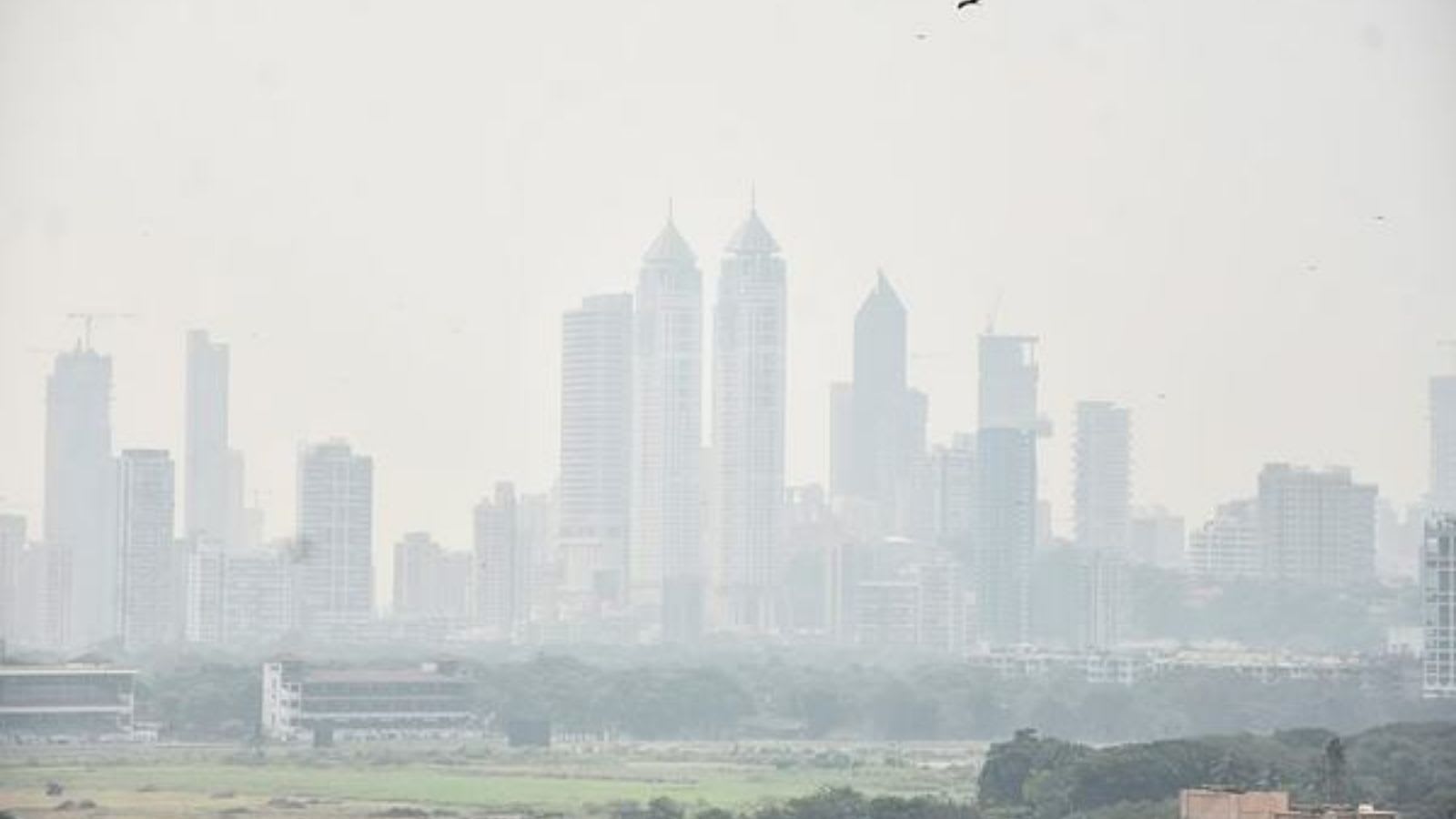
Mumbai's persistent haze is being driven by a chemical interaction between sea salt aerosols and urban pollutants. The BMC has introduced strict 28-point mitigation guidelines for construction sites to combat the city's worsening air quality.
The Chemistry of Mumbai's Haze
Mumbai, a coastal metropolis, is currently grappling with a persistent atmospheric haze that has prompted investigation by the Brihanmumbai Municipal Corporation (BMC). While public discourse often focuses on anthropogenic sources like vehicular emissions and construction dust, recent findings from the Maharashtra Pollution Control Board (MPCB) have introduced a critical variable into the analysis: sea salt. The presence of sodium chloride (NaCl) in the air is not merely an environmental byproduct but a reactive agent that alters the city's air quality profile.
The Role of Atmospheric Chemistry
According to Avinash Dhakane, the additional municipal commissioner, the phenomenon is driven by chemical reactions between marine aerosols and urban pollutants. When NaCl particles from the Arabian Sea interact with emissions from vehicles and industrial processes, they facilitate secondary aerosol formation. This chemical transformation exacerbates the density and persistence of the haze, creating a complex atmospheric condition that goes beyond simple particulate matter accumulation.
Evaluating the Anthropogenic Burden
Despite the contribution of natural sea salt, the BMC acknowledges that the primary drivers of air pollution remain rooted in human activity. The city’s rapid urbanization, characterized by extensive infrastructure development and high traffic volume, continues to be the dominant source of harmful particulate matter. The interaction between sea salt and these pollutants creates a synergistic effect, where the marine environment compounds the negative health impacts of industrial and vehicular exhaust.
Regulatory Responses and Mitigation
To address this environmental challenge, the BMC has moved beyond identification to active regulation. The introduction of a comprehensive 28-point air-pollution mitigation guideline specifically targeting construction sites represents a significant policy shift. These mandates are designed to curb the primary sources of dust and debris that fuel the city's smog, acknowledging that while sea salt is a natural factor, the human contribution is the only variable that can be strictly controlled through governance.
Future Trends and Urban Planning
Looking ahead, Mumbai faces the challenge of managing air quality in a unique coastal geography. As the city continues to expand its skyline, the interaction between marine moisture and urban pollutants will likely remain a permanent feature of its meteorological profile. Future policy will need to integrate these specific chemical insights into broader urban planning, ensuring that building designs and transport strategies account for the city's susceptibility to sea-salt-driven haze. Strengthening enforcement of existing guidelines will be essential to mitigating the health risks posed by this persistent atmospheric condition.