Haldhar Nag left school after Class 3, later won Padma Shri for his poetry
Source Entity
TOI LIFESTYLE DESK
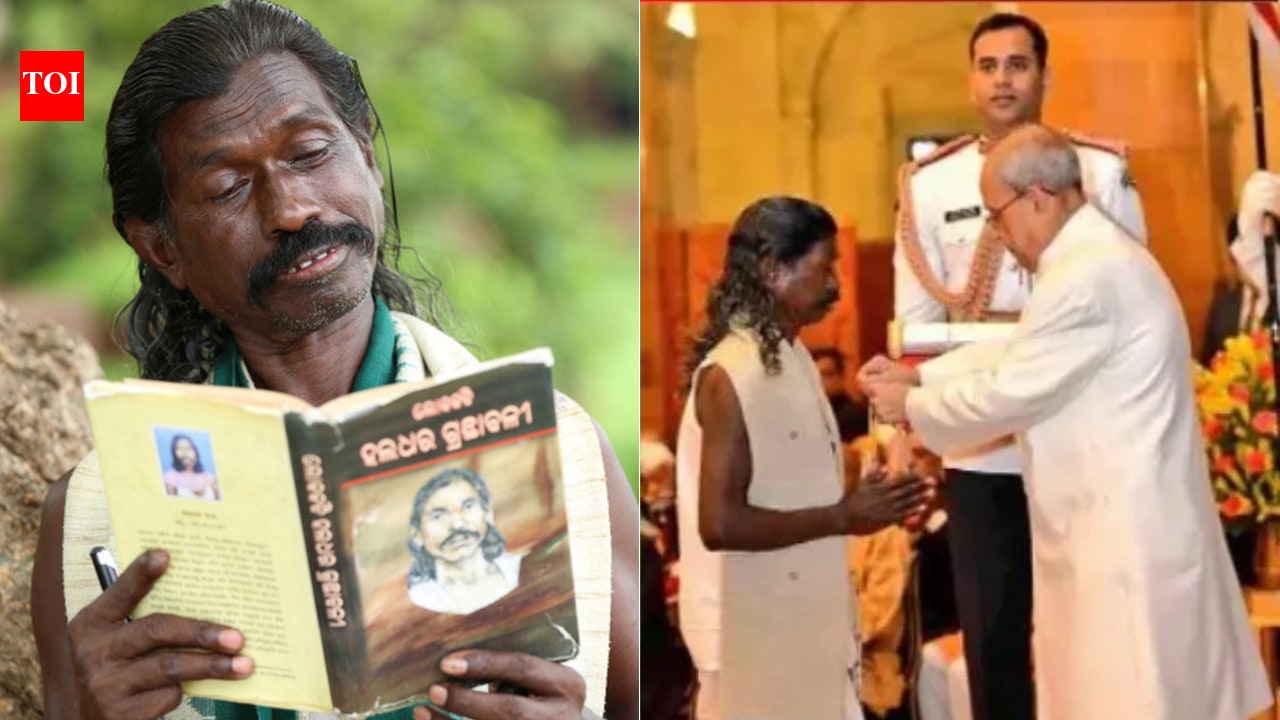
Haldhar Nag, a self-taught poet who left school in Class 3, has earned national acclaim for his Kosli language poetry. His remarkable journey culminated in a Padma Shri award in 2016 and sparked significant academic research into regional literature.
The Resilient Journey of Haldhar Nag: From Adversity to National Acclaim
The story of Haldhar Nag is a testament to the power of human intellect and creative expression overcoming systemic barriers. Born into challenging circumstances, Nag was forced to abandon his formal education after the third grade following the untimely death of his father. While such a disruption often signals the end of intellectual pursuits for many, for Nag, it served as the crucible for a unique literary voice that would eventually resonate across the nation.
The Birth of a Literary Voice
Despite the lack of formal schooling, Nag turned his focus to the Kosli language, a dialect that carries the heartbeat of Odisha’s cultural heritage. His inaugural poem, published in 1990, did not merely serve as a creative outlet but acted as a mirror to the social themes of his time. By grounding his work in the lived experiences of his community, he transformed local vernacular into a powerful medium for social commentary, ensuring that the narratives of the marginalized were preserved in verse.
Scholarly Recognition and Cultural Impact
It is rare for poets to bridge the gap between grassroots popularity and formal academic recognition, yet Nag achieved exactly this. His body of work has become the subject of extensive PhD research, validating the cultural significance of the Kosli language. By elevating regional literature to the level of scholarly inquiry, Nag has forced academic circles to reevaluate the importance of oral traditions and regional dialects in the broader Indian literary canon.
The Padma Shri and National Legacy
In 2016, the Government of India recognized his monumental contributions by conferring upon him the Padma Shri, one of the nation's highest civilian honors. This award was not merely a recognition of his aesthetic talent but a symbolic acknowledgment of his role in safeguarding linguistic diversity. It underscored the reality that intellectual brilliance is not confined to institutional hallways, but thrives in the rich soil of regional culture.
Broader Implications for Regional Literature
Nag’s success offers a broader lesson for the literary world: the future of Indian literature lies in the preservation of its diverse regional dialects. By proving that a poet with minimal formal education could influence national discourse, Nag has paved the way for other regional writers to seek validation without compromising their linguistic identity. His life serves as a blueprint for how cultural preservation can serve as a catalyst for social change.
Conclusion: A Legacy of Persistence
Ultimately, Haldhar Nag’s narrative is one of triumph against the odds. By transforming his personal loss into a lifelong commitment to the arts, he has secured his place as a pivotal figure in modern Indian literature. His ongoing influence continues to inspire future generations to value their roots and recognize that the most profound stories are often told in the languages of the hearth and home.