Halloween gets pricier as chocolate costs climb — Hershey may feel the pinch
Source Entity
US Top News and Analysis
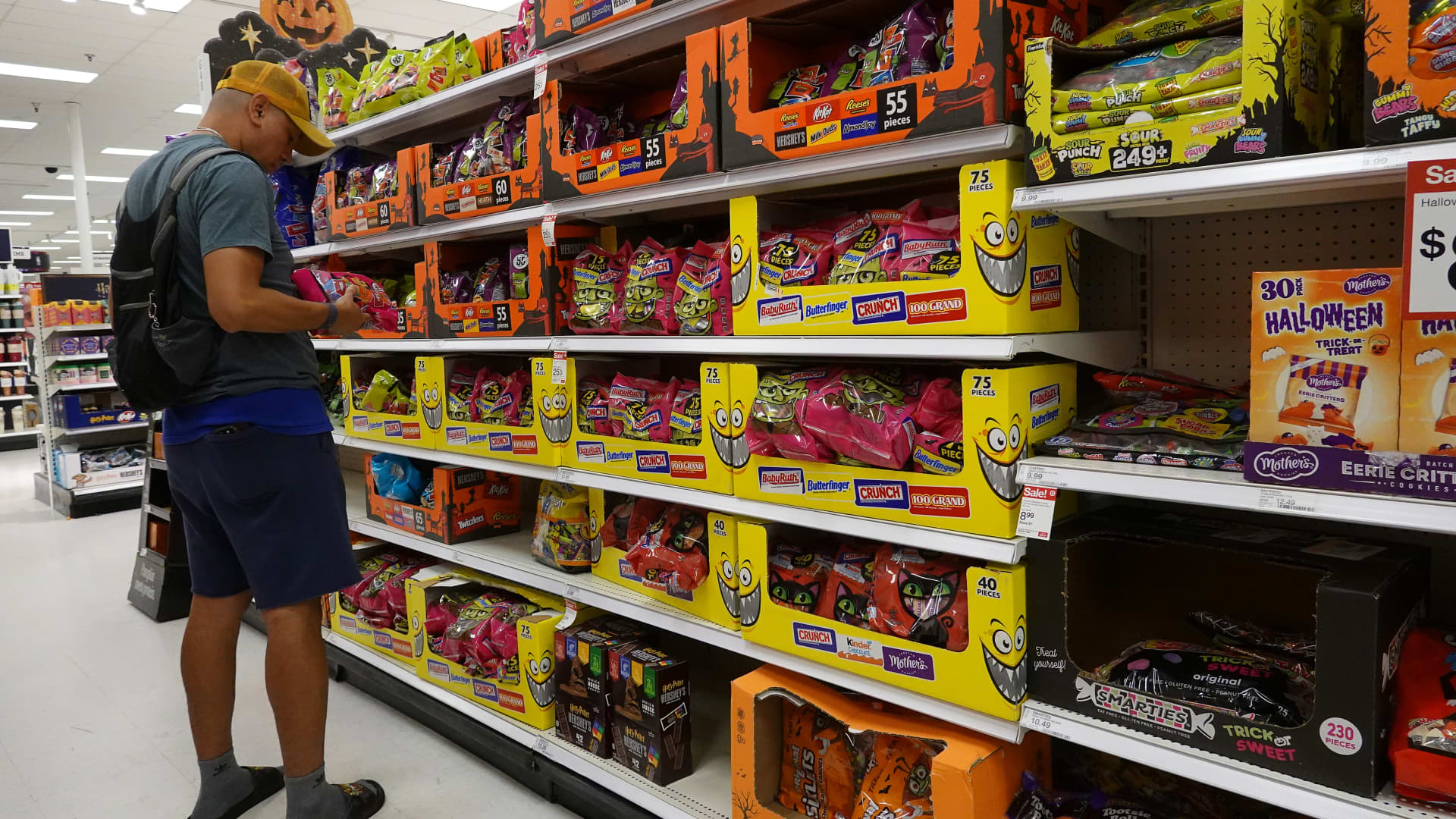
Halloween spending is projected to reach a record $13.5 billion this year despite rising costs for candy and decorations. Inflationary pressures on cocoa, sugar, and pumpkins are impacting consumer budgets and putting financial strain on major manufacturers like Hershey.
The Economic Reality of Halloween 2026
As the Halloween season arrives, consumers are finding that the festive tradition comes with a steeper price tag. Data indicates that Halloween spending is expected to climb to a record $13.5 billion this year, surpassing the previous high of $13.1 billion set last year. While this growth suggests that the holiday remains a high priority for American households, the increase is largely driven by persistent inflation rather than a surge in volume or consumption habits.
Inflationary Pressures on Core Commodities
The fundamental drivers behind this year's price hikes are rooted in the rising costs of essential raw materials. Specifically, the confectionery industry is grappling with significantly higher prices for cocoa and sugar. These two ingredients form the backbone of the chocolate industry, and their market volatility is creating a challenging environment for manufacturers. When the cost of these primary commodities rises, the ripple effect is felt immediately at the retail level, forcing consumers to pay more for their favorite seasonal treats.
The Impact on Industry Leaders
Companies like The Hershey Company are finding themselves in a precarious position as these input costs climb. While demand for chocolate remains relatively inelastic during holiday periods, the persistent "pinch" from supply-side inflation forces firms to navigate a difficult balance between maintaining profit margins and keeping products accessible to cost-conscious shoppers. If price points rise too high, companies risk a decline in volume as consumers look for cheaper alternatives or choose to reduce their overall candy intake.
Broader Consumer Trends and Affordability
According to Allison Zeller, vice president of industry and consumer insights at the National Retail Federation, consumers are treating Halloween as a spending priority but are doing so with a heightened focus on affordability. This shift in mindset suggests that while the holiday remains a cultural staple, households are becoming more strategic about where they allocate their budgets. The rising cost of ancillary items—such as pumpkins, which have reached an average retail price of $5.36—further complicates the budgeting process for families.
Market Outlook and Future Implications
Looking ahead, the combination of high commodity costs and inflationary pressure on non-food items like costumes suggests that the trend of "expensive holidays" may persist. The retail sector must now contend with a consumer base that is willing to spend but is increasingly sensitive to price fluctuations. If the costs of cocoa and sugar remain elevated, we can expect to see further adjustments in product sizing or pricing strategies from major candy manufacturers to mitigate the impact on their bottom lines.
Conclusion
In summary, Halloween 2026 serves as a microcosm of the current broader economic landscape. While the $13.5 billion spending figure highlights the resilience of seasonal consumer demand, the underlying data reveals a market strained by the rising costs of goods. Whether it is the chocolate in the candy bowl or the pumpkin on the porch, the inflationary trend is reshaping how Americans celebrate, forcing both companies and consumers to adapt to a new, more expensive reality.