Uttarakhand chopper crash: Operation underway to retrieve bodies of six victims
Source Entity
Vidheesha Kuntamalla
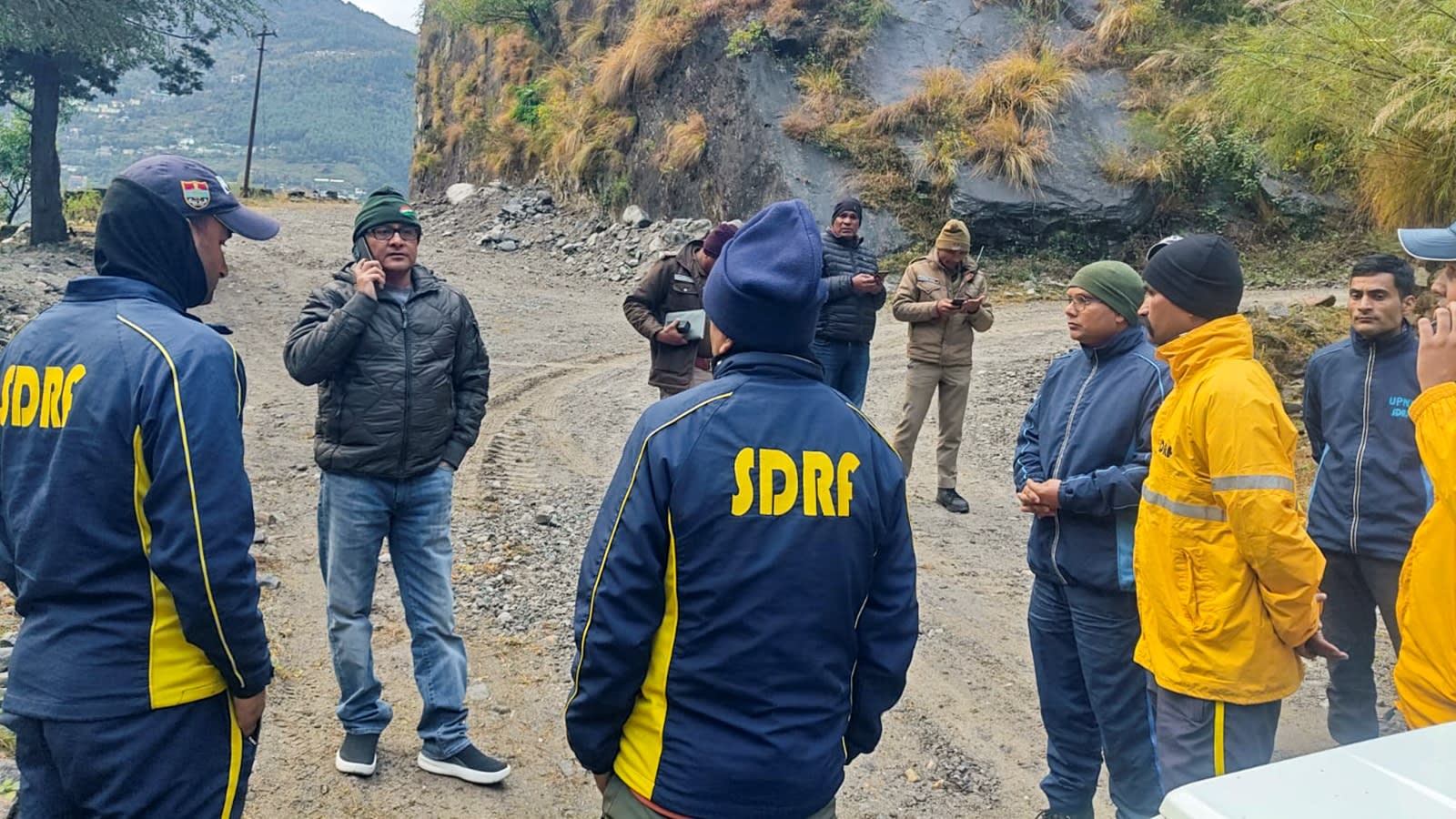
A helicopter carrying six people crashed near Joshimath, Uttarakhand, while returning from Badrinath to Dehradun. Rescue operations involving the SDRF, Army, and ITBP are underway following reports of adverse weather conditions in the region.
Helicopter Crash in Uttarakhand: A Detailed Overview
On Friday, a tragic aviation incident occurred in the Chamoli district of Uttarakhand when a helicopter carrying six individuals crashed while en route from the Badrinath shrine to Dehradun. The flight, operated by Trans Bharat Aviation Pvt Ltd, lost communication and tracking capabilities while traversing the challenging terrain near the Joshimath valley and Hathi Parvat. The aircraft, bearing the call sign VT-HC, was carrying pilot Captain Himanshu along with five passengers identified as Prathapa, Arun, Shankar Gowda, Sudheer K, and HS Natraja.
Environmental Factors and Operational Challenges
Initial reports suggest that adverse weather conditions played a significant role in the incident. The India Meteorological Department (IMD) had previously issued an orange alert for the Chamoli district, warning of volatile weather patterns including thunderstorms, lightning, hail, and gusty winds reaching speeds of 40–50 kmph. The forecast for the Badrinath-Joshimath sector specifically highlighted the probability of light rain and snowfall, which create notoriously difficult flying conditions for aerial navigation in high-altitude Himalayan regions.
Immediate Response and Rescue Efforts
Following the loss of communication and the subsequent disappearance of the aircraft from tracking systems, authorities initiated an immediate emergency response. Personnel from the State Disaster Response Force (SDRF), the Indian Army, and the Indo-Tibetan Border Police (ITBP) were dispatched to the crash site to conduct relief and rescue operations. Additionally, two other helicopters were deployed to assist in locating the wreckage and survivors, reflecting the urgency and the multi-agency coordination required for high-altitude mountainous search and rescue missions.
Aviation Safety in Himalayan Terrain
This incident underscores the inherent risks associated with civil aviation in the Himalayan corridors. The topography of Uttarakhand, characterized by deep valleys and rapidly shifting weather patterns, presents a unique challenge for aviation operators. The transition from Badrinath to Dehradun involves navigating complex air corridors where sudden meteorological changes can quickly overwhelm flight systems, as evidenced by the loss of contact reported shortly before the crash.
Broader Implications and Future Trends
As rescue operations continue, the focus will likely shift toward an investigation by aviation authorities to determine the exact cause of the crash. Such incidents often trigger a comprehensive review of safety protocols for private aviation operators serving pilgrimage sites. Future trends in this sector may include more stringent weather-monitoring requirements and mandatory real-time tracking upgrades to ensure that aircraft operating in high-altitude zones are better equipped to handle the unpredictable nature of mountain weather.
Conclusion
While the rescue teams continue their efforts in the rugged terrain of Chamoli, the incident remains a somber reminder of the vulnerabilities faced by travelers and operators in the Himalayan region. The recovery of the victims and the subsequent investigation will be critical in understanding how to mitigate similar risks in the future, ensuring that the necessary precautions are taken to protect those traversing these essential, yet hazardous, air routes.
Multiple Citing Sources