The rains have changed. Why hasn’t India’s flood planning?
Source Entity
Nitin Bassi, Vishwas Chitale
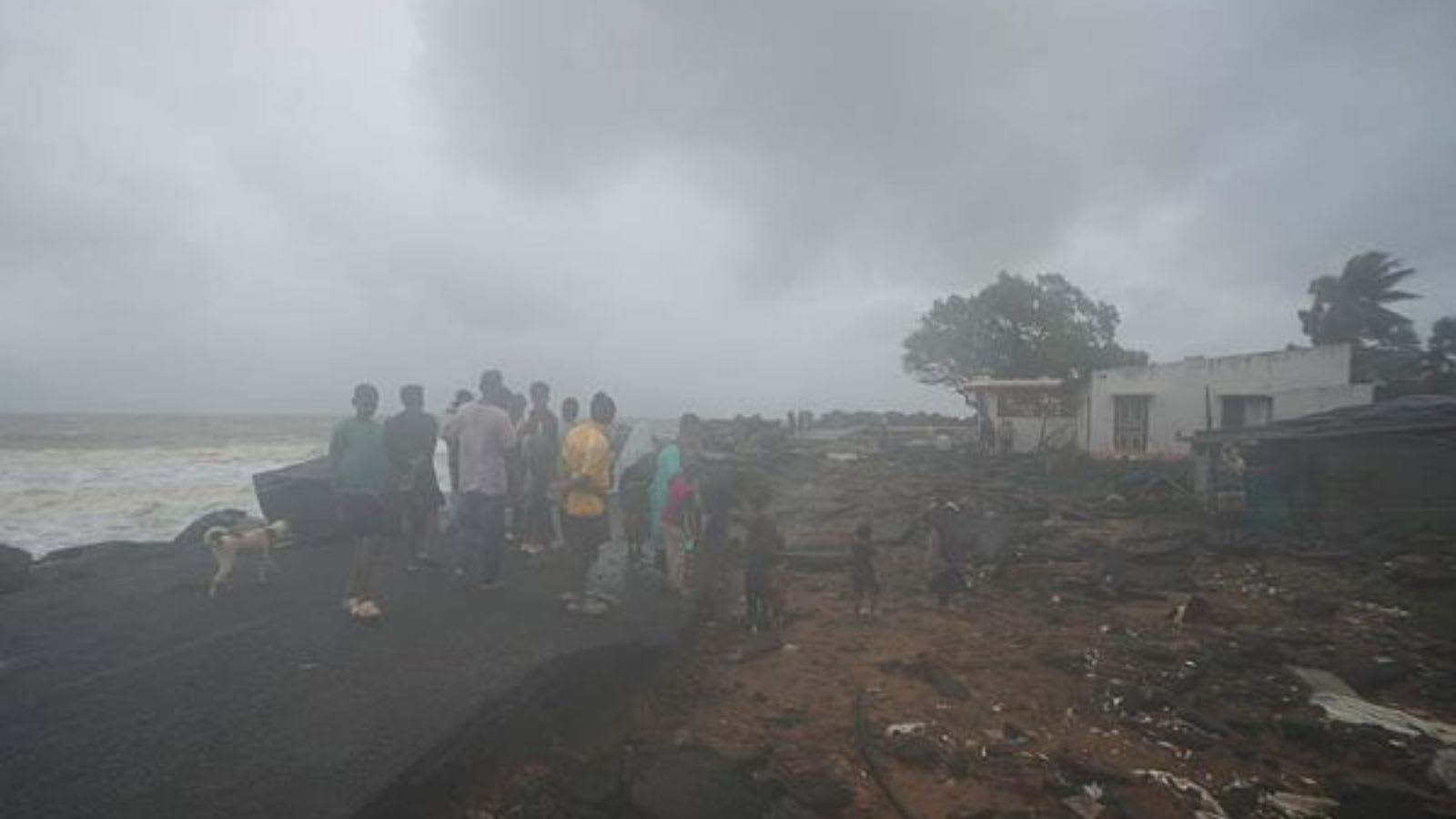
India is battling a dual crisis of volatile monsoon patterns and sudden natural disasters, including a glacial lake outburst in Bhutan and Cyclone Arnab. These events have displaced thousands and caused significant agricultural damage, highlighting the urgent need for modernized flood management.
The Fragility of India's Monsoon and Climate Resilience
India is currently navigating a period of profound climatic volatility, marked by a monsoon season that defied traditional predictability. While the aggregate national data points to a 13 percent shortfall in rainfall, the reality on the ground has been defined by extreme spatial and temporal disparities. A June deficit of 40 percent, followed by a fleeting recovery in July and a subsequent 16 percent shortfall in August, illustrates a broken seasonal pattern that complicates agricultural planning and water resource management.
The Paradox of Deficient Seasons and Intense Flooding
One of the most concerning trends identified in recent meteorological data is the occurrence of hyper-localized extreme rainfall events even within overall deficient years. Numerous districts have recorded precipitation levels exceeding 20 percent above their normal averages, leading to flash floods that catch infrastructure systems off-guard. This phenomenon suggests that India’s climate is shifting toward a cycle where water arrives in concentrated, destructive bursts rather than sustained, soil-replenishing showers.
Cross-Border Threats: The Bhutan Glacial Lake Outburst
Beyond monsoon variability, India is increasingly susceptible to transboundary environmental hazards. The recent glacial lake outburst in Bhutan, which triggered flash floods along the Sankosh river, underscores the vulnerability of the Indo-Bhutan border regions. With over 10,000 people forced into evacuation, the incident highlights the critical need for regional cooperation in early warning systems. Managing rivers that originate in the Himalayas requires a sophisticated, binational approach to hydrological data sharing.
The Economic Toll of Cyclone Arnab
Simultaneously, the agricultural sector is reeling from the aftermath of Cyclone Arnab, which made landfall near Narsapur, Andhra Pradesh, as a very severe cyclonic storm. The destruction of crops across 70,900 hectares represents a significant blow to food security and rural livelihoods in both Andhra Pradesh and southern Odisha. Such events demonstrate that current disaster management protocols are struggling to keep pace with the increasing frequency and intensity of cyclonic activity in the Bay of Bengal.
The Imperative for Policy Reform
India’s current flood planning framework appears anchored to historical precipitation models that are no longer reliable. The transition from managing 'normal' seasonal floods to 'uncertain' climate-driven extremes requires a paradigm shift. Policymakers must move toward resilient infrastructure, improved land-use zoning, and real-time hydrological modeling that can account for the sudden, high-intensity events seen this season. Failure to adapt will likely lead to recurring cycles of displacement and significant economic loss as the climate continues to evolve.